High Cholesterol Symptoms in Hindi – हाई कोलेस्ट्रॉल के लक्षण, कारण और उपचार
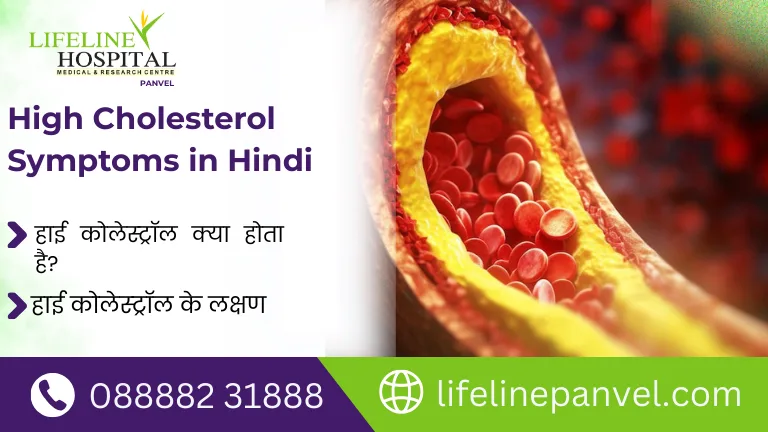
Blog High Cholesterol Symptoms in Hindi – हाई कोलेस्ट्रॉल के लक्षण, कारण और उपचार हाई कोलेस्ट्रॉल क्या होता है? उच्च कोलेस्ट्रॉल (हाइपरलिपिडेमिया) का मतलब है कि आपके रक्त में वसायुक्त पदार्थ (लिपिड) की मात्रा बहुत अधिक है, विशेष रूप से उच्च एलडीएल (खराब) कोलेस्ट्रॉल या ट्राइग्लिसराइड्स, और अक्सर कम एचडीएल (अच्छा) कोलेस्ट्रॉल, धमनियों में प्लाक जमाव (एथेरोस्क्लेरोसिस) का कारण बनता है, जो रक्त प्रवाह को अवरुद्ध करके दिल का दौरा, स्ट्रोक और अन्य गंभीर समस्याएं पैदा कर सकता है। कोलेस्ट्रॉल के प्रकार (HDL, LDL, Triglycerides) एचडीएल का मतलब हाई-डेंसिटी लिपोप्रोटीन है। इसे कभी-कभी “अच्छा” कोलेस्ट्रॉल भी कहा जाता है क्योंकि यह शरीर से कोलेस्ट्रॉल को बाहर निकालने में मदद करता है। यह शरीर के अन्य हिस्सों से कोलेस्ट्रॉल को वापस लिवर तक ले जाता है। फिर लिवर उस कोलेस्ट्रॉल को शरीर से बाहर निकाल देता है। एलडीएल का मतलब है लो-डेंसिटी लिपोप्रोटीन। इसे कभी-कभी “खराब” कोलेस्ट्रॉल भी कहा जाता है क्योंकि एलडीएल का उच्च स्तर आपकी धमनियों में प्लाक के जमाव का कारण बनता है। वीएलडीएल का पूरा नाम वेरी लो-डेंसिटी लिपोप्रोटीन है। कुछ लोग वीएलडीएल को “खराब” कोलेस्ट्रॉल भी कहते हैं क्योंकि यह भी धमनियों में प्लाक जमा होने में योगदान देता है। लेकिन वीएलडीएल और एलडीएल अलग-अलग होते हैं; वीएलडीएल मुख्य रूप से ट्राइग्लिसराइड्स को ले जाता है जबकि एलडीएल मुख्य रूप से कोलेस्ट्रॉल को ले जाता है। खराब कोलेस्ट्रॉल (LDL) क्यों खतरनाक है? बिना निदान या उपचार के उच्च रक्त कोलेस्ट्रॉल गंभीर स्वास्थ्य समस्याओं का कारण बन सकता है: अगर आपकी धमनियों में प्लाक का बड़ा जमाव है, तो प्लाक का एक हिस्सा फट सकता है। इससे प्लाक की सतह पर रक्त का थक्का बन सकता है। अगर थक्का काफी बड़ा हो जाए, तो यह कोरोनरी धमनी में रक्त प्रवाह को लगभग या पूरी तरह से अवरुद्ध कर सकता है। यदि आपके हृदय की मांसपेशियों में ऑक्सीजन युक्त रक्त का प्रवाह कम हो जाता है या अवरुद्ध हो जाता है, तो इससे सीने में दर्द या दिल का दौरा पड़ सकता है। प्लाक आपके शरीर की अन्य धमनियों में भी जमा हो सकता है, जिनमें आपके मस्तिष्क और अंगों तक ऑक्सीजन युक्त रक्त पहुँचाने वाली धमनियाँ भी शामिल हैं। इससे कैरोटिड धमनी रोग, स्ट्रोक और परिधीय धमनी रोग जैसी समस्याएँ हो सकती हैं। शरीर में कोलेस्ट्रॉल की भूमिका आपके शरीर को हार्मोन, विटामिन डी और भोजन पचाने में सहायक पदार्थों के निर्माण के लिए कुछ कोलेस्ट्रॉल की आवश्यकता होती है। आपका शरीर अपनी आवश्यकता का सारा कोलेस्ट्रॉल स्वयं बनाता है। हाई कोलेस्ट्रॉल के लक्षण (High Cholesterol Symptoms) शुरुआत में कोई लक्षण न दिखना यह एक ऐसी स्थिति है जिसमें अक्सर कोई लक्षण नहीं दिखते, और इसका निदान रक्त परीक्षण (लिपिड पैनल) के माध्यम से किया जाता है, जिसमें 200 मिलीग्राम/डीएल से ऊपर का कुल स्तर अक्सर उच्च माना जाता है। छाती में जकड़न या दर्द सीने में दर्द उच्च कोलेस्ट्रॉल के लक्षणों में से एक है, जिसके प्रति जागरूक रहना आवश्यक है। ऐसा इसलिए है क्योंकि यह स्थिति उच्च कोलेस्ट्रॉल से उत्पन्न जटिलताओं का संकेत हो सकती है। धमनियों की दीवारों पर प्लाक जमने से हृदय को रक्त की आपूर्ति बाधित होती है, जिससे सीने में दर्द या एंजाइना होता है। सांस फूलना या थकान उच्च कोलेस्ट्रॉल के लक्षणों में सीने में दर्द के अलावा सांस लेने में तकलीफ भी शामिल हो सकती है। यह स्थिति प्लाक के जमाव के कारण हो सकती है, जिससे हृदय और फेफड़ों तक पर्याप्त ऑक्सीजन नहीं पहुंच पाती। हाथ-पैर सुन्न होना उच्च कोलेस्ट्रॉल स्तर, विशेष रूप से एलडीएल, पैरों में रक्त और ऑक्सीजन के प्रवाह को बाधित कर सकता है, जिससे झुनझुनी या ऐंठन हो सकती है। अधिक गंभीर मामलों में, उच्च एलडीएल घाव भरने की प्रक्रिया को भी धीमा कर सकता है। पैरों में ऐंठन अनियंत्रित उच्च कोलेस्ट्रॉल के कारण पैरों में दर्द भी हो सकता है। यह स्थिति धमनियों में प्लाक जमने के कारण होती है, जिससे शरीर के ऊतकों, जिनमें पैर और पंजे भी शामिल हैं, तक रक्त वाहिकाओं का प्रवाह कम हो जाता है। आंखों के पास पीले धब्बे (Xanthelasma) ज़ैंथेलस्मा ये आंखों के आसपास कोलेस्ट्रॉल के जमाव होते हैं, जो पलकों पर पीले धब्बों के रूप में दिखाई दे सकते हैं। त्वचा के नीचे फैट जमना (Xanthomas) ये त्वचा के नीचे जमा वसा होते हैं, जो अक्सर पीले रंग के उभार या गांठ के रूप में दिखाई देते हैं, आमतौर पर कोहनी, घुटनों या नितंबों पर। हाई कोलेस्ट्रॉल के कारण गलत आहार और अधिक फैट का सेवन अस्वास्थ्यकर खान-पान की आदतें, जैसे कि अधिक मात्रा में संतृप्त वसा का सेवन। ये वसा लाल मांस, वसायुक्त डेयरी उत्पाद, चॉकलेट, कुछ बेकरी उत्पादों और कई तले हुए और प्रसंस्कृत खाद्य पदार्थों में पाई जाती हैं। अधिक मात्रा में संतृप्त वसा का सेवन करने से आपका एलडीएल (खराब) कोलेस्ट्रॉल बढ़ सकता है। मोटापा और शारीरिक गतिविधि की कमी शारीरिक गतिविधि की कमी, अधिक देर तक बैठे रहना और कम व्यायाम करना। इससे आपका एचडीएल (अच्छा) कोलेस्ट्रॉल कम हो जाता है। आनुवंशिक कारण कुछ लोगों को अपने माता-पिता से ऐसे जीन विरासत में मिलते हैं जिनके कारण उनके शरीर में कोलेस्ट्रॉल की मात्रा अधिक हो जाती है। यदि आपके परिवार में पारिवारिक हृदय रोग (FH) या उच्च कोलेस्ट्रॉल से संबंधित समस्याओं का इतिहास है, तो अपने कोलेस्ट्रॉल स्तर की जांच करवाएं। धूम्रपान और अल्कोहल सिगरेट पीने से एचडीएल कोलेस्ट्रॉल का स्तर कम हो जाता है और रक्त वाहिकाएं क्षतिग्रस्त हो जाती हैं, जिससे उनमें वसा जमा होने की संभावना बढ़ जाती है। डायबिटीज और थायरॉयड समस्याएँ मधुमेह से एलडीएल (खराब कोलेस्ट्रॉल) बढ़ता है और एचडीएल (अच्छा कोलेस्ट्रॉल) घटता है। इस स्थिति को डायबिटिक डिस्लिपिडेमिया कहते हैं। हाई कोलेस्ट्रॉल से होने वाले जोखिम हार्ट अटैक का खतरा उच्च कोलेस्ट्रॉल उच्च रक्तचाप का कारण बन सकता है, जिससे हृदय और रक्त वाहिकाओं पर दबाव पड़ता है। स्ट्रोक का बढ़ा हुआ जोखिम धमनियों में रुकावट या संकुचन मस्तिष्क में रक्त प्रवाह को बाधित कर सकता है, जिसके परिणामस्वरूप स्ट्रोक हो सकता है। धमनियों में ब्लॉकेज (Atherosclerosis) प्लाक के जमाव से धमनियां संकीर्ण हो सकती हैं, जिससे रक्त प्रवाह प्रतिबंधित हो जाता है और एथेरोस्क्लेरोसिस हो सकता है । ब्लड सर्कुलेशन में कमी अंगों में रक्त प्रवाह कम होने से दर्द, सुन्नता और
4 Stages of Typhoid Fever: What to Expect From Infection to Recovery
Blog 4 Stages of Typhoid Fever: What to Expect From Infection to Recovery Typhoid fever is one of those illnesses that sneaks into the body slowly and quietly. Many people don’t even realize they have it at first because the early signs look just like normal fever or tiredness. It spreads mostly through unsafe food and contaminated water, and once the bacteria enters the body, it moves through different levels or stages. Knowing the 4 stages of typhoid fever helps you understand how the disease develops, what symptoms you should take seriously, and when it’s time to get medical help before things get worse. What is Typhoid Fever? Typhoid is a bacterial infection caused by Salmonella Typhi. After entering the bloodstream, this germ goes around the entire body, especially targeting the stomach and intestines. Typhoid is very common in places with poor water quality or improper food hygiene. People with typhoid often feel weak, feverish, tired, and uncomfortable for days or even weeks if they don’t get proper treatment. Children, older adults, and those with weak immunity must be treated carefully, which is why early diagnosis is very important. How Does Typhoid Fever Spread? Typhoid mainly spreads through the fecal-oral route. This basically means: A person with typhoid uses the toilet They don’t wash their hands properly They touch food or water Someone else eats or drinks it Street food, uncovered snacks, dirty water, and poor hygiene habits are the biggest reasons for typhoid in India. How Common is Typhoid Fever? Typhoid is very common in India and peaks during monsoon season when water contamination becomes a serious problem. Thousands of children and adults get typhoid every year. Many cases are handled by General Medicine and Pediatrics teams, especially when kids fall sick due to unsafe food or water. What Are The 4 Stages of Typhoid Fever? There are 4 stages of typhoid fever, and the infection changes as it moves from one stage to the next. These stages help doctors understand how serious the disease is and what treatment the patient needs at each point. Causes of Typhoid Fever The main cause of typhoid is the Salmonella Typhi bacteria. But how does it reach your body? Drinking contaminated or unfiltered water Eating food made or stored in unhygienic conditions Consuming raw salads or fruits sold in open spaces Not washing hands before eating Living in areas with poor sanitation Most of these causes are avoidable with basic hygiene practices. Stages of Typhoid Fever Now let’s look at the 4 stages of typhoid fever one by one so you can understand how the disease grows over time. Stage 1 – Week 1 (Early Signs Begin) The first week usually brings mild symptoms: Low or moderate fever Headache Body aches Tiredness Sometimes a dry cough Because these signs look like normal viral fever, many people don’t recognize that typhoid is starting to develop. Stage 2 – Week 2 (High Fever & Stomach Problems) In the second week, the infection becomes stronger. High fever (102–104°F) Stomach pain Diarrhea or constipation Loss of appetite Extreme tiredness By now, the bacteria are spreading inside the intestines and bloodstream, making the symptoms more noticeable. Stage 3 – Week 3 (Serious Complications) This is the most dangerous stage and must be treated quickly. Patients may develop: Intestinal bleeding Severe dehydration Confusion or strange behavior Weakness Low blood pressure Without proper treatment, complications grow rapidly in this stage. Symptoms of Typhoid Fever Typhoid symptoms appear slowly and gradually: High fever Weakness Stomach discomfort or cramps Poor appetite Mild rashes (called rose spots) Headache or body ache Tiredness that stays for days Children may vomit more and get dehydrated faster. Pediatric doctors pay special attention to kids’ symptoms because they can worsen quickly. Diagnosis of Typhoid Fever To confirm typhoid, doctors commonly advise: Widal test Typhi Dot test Blood culture (most accurate) Complete Blood Count (CBC) Early testing helps prevent Stage 3 complications. Which Organ is Affected By Typhoid? The part of the body affected most by typhoid is the intestine, especially the small intestine. If the infection becomes severe, it may also affect: Liver Spleen Bone marrow Gallbladder This is why untreated typhoid becomes dangerous Looking for trusted typhoid testing and care? Book an appointment now! Make Appointment Prevention of Typhoid Fever Preventing typhoid is much easier than dealing with the 4 stages of typhoid fever once the infection starts. You can protect yourself by: Drinking clean or boiled water Washing hands before meals Avoiding street food Staying away from raw salads outside Getting vaccinated These simple steps reduce the risk significantly. What Tests Can Be Done to Diagnose Typhoid Fever? Doctors may suggest: Blood culture Widal Typhi Dot IgM CBC Occasionally stool tests All of these help confirm the presence of typhoid bacteria in the body. What Are Safe Food Practices To Prevent Typhoid Fever? Good eating habits help prevent typhoid: Eat freshly cooked meals Avoid open or uncovered food Wash fruits and vegetables thoroughly Drink filtered or bottled water when outside Keep your kitchen clean at home These small practices make a big difference in preventing infection. Why Choose Lifeline Hospital Panvel for Hysterectomy Surgery? Lifeline Hospital Panvel is trusted for its warm, patient-first approach where care is explained in simple, easy-to-understand language. Our General Medicine and Pediatrics specialists manage typhoid cases with close attention and a lot of patience, making sure every patient feels supported from diagnosis to recovery. Whether it’s accurate testing, clear communication, or safe treatment for both adults and children, the hospital ensures a comfortable and hygienic environment throughout the process. Families also receive guidance about the 4 stages of typhoid fever so they can notice early warning signs and prevent complications before they become serious. Frequently Asked Questions (FAQs) How long do the 4 stages of typhoid fever last? The 4 stages of typhoid fever usually develop over 3 to 4 weeks if left untreated. With early diagnosis and antibiotics, recovery may happen much sooner. Are all 4 stages