Hypertension Symptoms: Signs You Shouldn’t Ignore
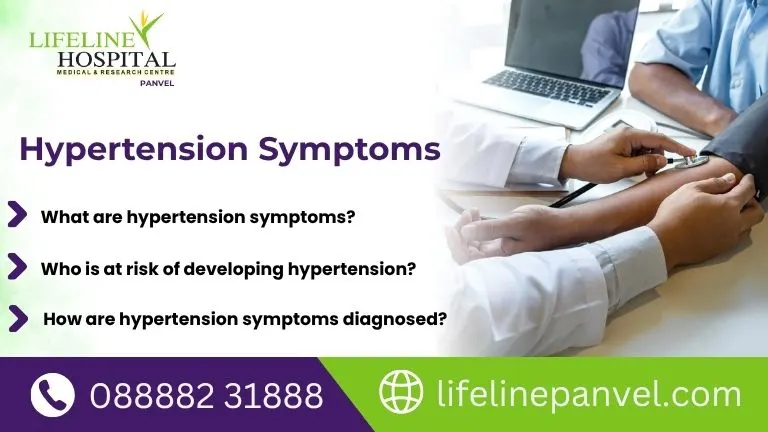
Blog Hypertension Symptoms: Signs of High Blood Pressure Most people don’t really think about blood pressure unless a doctor mentions it. And honestly, that’s where the problem starts. The thing about hypertension symptoms is… they are not always obvious. Many times, there’s nothing at all, and everything feels normal. But that doesn’t mean everything is okay. High blood pressure can slowly affect your body without giving clear signals. It builds up over time, and by the time you notice something unusual, it might already need proper attention. That’s why even small signs shouldn’t be ignored. What are hypertension symptoms? If we talk in simple words, hypertension symptoms are the signs your body may show when your blood pressure goes higher than it should. But here’s the confusing part—many people don’t feel anything. Like literally nothing. You could be going about your day, working, eating, doing normal things, and still have high BP. In some cases though, the body does give hints. They may not be strong or consistent, but they are there. And most people either ignore them or think it’s just tiredness or stress. What are the common hypertension symptoms? Now, even though it’s called a silent condition, there are still some symptoms people notice, especially when BP increases suddenly. Headaches are quite common. Not just normal ones, but a kind of heavy feeling in the head, mostly in the morning. Some people feel dizzy, like slight imbalance or spinning feeling. Breathing can feel a bit uncomfortable sometimes, even without much physical activity. Nosebleeds can happen too, though not in every case. Fatigue is another thing. You may feel tired even when you haven’t done much. It’s easy to ignore, but sometimes it’s connected. Why does hypertension often have no symptoms? This is the part that confuses most people. Silent effect on the body Your body slowly adjusts to higher pressure levels. So instead of reacting strongly, it kind of… adapts. That’s why you don’t feel anything unusual at first. Gradual internal damage Even without symptoms, high BP keeps affecting organs like heart and kidneys. The damage is slow, not sudden, which is why it goes unnoticed for a long time. What are the warning signs of severe hypertension? When blood pressure goes too high, the body usually can’t ignore it anymore. You might get a very strong headache that doesn’t go away easily. Chest pain can also happen, which people sometimes mistake for acidity or stress. Breathing becomes difficult, and vision may get blurry. Some people even feel confused or uneasy without any clear reason. Symptoms that need immediate attention Severe headache Chest pain or pressure Trouble breathing Blurred vision What these signs indicate These could be signs that BP has gone dangerously high. It’s not something to wait out. Medical help should be taken quickly. When should you see a doctor for hypertension symptoms? Honestly, most people wait too long. If you keep getting headaches or feel dizzy again and again, it’s better to just get your BP checked once. It doesn’t take much time, but it gives clarity. If you already have diabetes or high BP in your family, then regular checkups are even more important. Even if you feel okay, a routine check once in a while is not a bad idea. Sometimes it’s better to be sure than assume everything is fine. What causes hypertension symptoms? There’s usually not just one reason behind high blood pressure. It’s more like a mix of things. Eating too much salty food can increase BP. Not moving around much, sitting most of the day, also affects it. Stress—well, that’s something almost everyone deals with now, and it plays a big role. Smoking and alcohol can make things worse over time. And sometimes, health conditions like kidney issues can also lead to hypertension. It builds slowly, so people don’t notice until it becomes a pattern. Who is at risk of developing hypertension? Some people are naturally at a higher risk of developing high blood pressure. As age increases, BP problems tend to become more common, and family history also plays an important role—if your parents had hypertension, your chances are higher too. Apart from this, certain health conditions like diabetes, obesity, and kidney-related issues are closely linked with high blood pressure, making it harder for the body to maintain normal levels. Lifestyle habits also add to the risk over time, such as lack of physical activity, unhealthy eating patterns, and daily stress, all of which slowly contribute to the problem. How are hypertension symptoms diagnosed? Diagnosis is actually simple, nothing complicated. Doctors check your blood pressure using a machine. Usually, they don’t rely on just one reading. They may check it a few times to be sure. Sometimes, blood or urine tests are suggested to see if there’s any underlying issue. If needed, further tests may be done to check heart or kidney health. It’s more about confirming patterns rather than a one-time result. Can hypertension symptoms be prevented? To some extent, yes. Simple changes can really help. Eating less salt, staying active, even basic walking daily—it makes a difference. Stress is harder to control, but managing it in small ways helps. Avoiding smoking and limiting alcohol also plays a role. It’s not about making big changes overnight. Even small steps, if done regularly, can keep things under control. Why Choose Lifeline Hospital Panvel for Hypertension Care? When it comes to health, people usually look for a place where everything is handled properly without too much confusion. Lifeline Hospital Panvel provides care for blood pressure issues with proper testing and treatment options. From checking your BP to managing it long-term, the process is quite smooth. Patients don’t have to run around much, and follow-ups are also managed in a structured way. That makes things easier, especially for ongoing conditions like hypertension. Conclusion So overall, hypertension symptoms are not always loud or obvious. That’s what makes them easy to ignore. Many people live with high BP without even knowing