

How Long Is Recovery After Orthopedic Surgery? What It’s Really Like
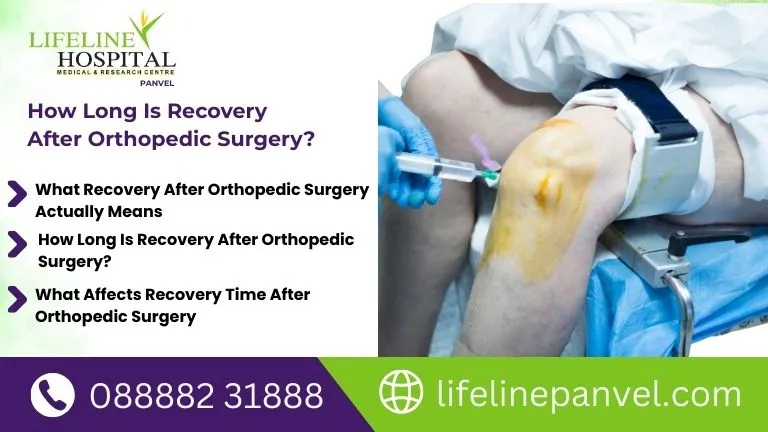
Blog How Long Is Recovery After Orthopedic Surgery? What It’s Really Like Orthopedic surgery is usually done because pain or movement problems have started to affect everyday life. The surgery itself may be completed in a few hours, but recovery does not stop once you leave the hospital. Healing takes time, and it often happens step by step. One of the most common questions patients ask is how long is recovery after orthopedic surgery? The honest answer is that recovery is different for everyone. Some people feel better sooner than expected, while others need more time and support to regain strength and confidence. What Recovery After Orthopedic Surgery Actually Means Recovery is more than just waiting for pain to go away. Healing Is a Process, Not a Single Day After surgery, the body needs time to heal bones, muscles, and tissues. Swelling, stiffness, and discomfort are normal at first. Gradually, movement improves, pain reduces, and strength comes back with proper care and exercises. How Long Is Recovery After Orthopedic Surgery? There is no one fixed recovery time, but general patterns do exist. What the Recovery Period Feels Like in Real Life Recovery does not improve in a straight line. 1. Good Days and Slow Days Are Normal Some days you may feel stronger and more comfortable. Other days may feel stiff or tiring. This up-and-down pattern is normal and does not mean something is wrong. Patience plays a big role in healing. Stages of Recovery After Orthopedic Surgery Recovery often happens in phases. 1. Early Recovery (First 1–2 Weeks) During this time, rest is important. Pain and swelling are common. Simple movements, wound care, and medications help control discomfort. Patients are encouraged to move gently to avoid stiffness. 2. Later Recovery (After 2–3 Months) Strength, balance, and confidence improve. Patients slowly return to work, travel, and regular routines, depending on the type of surgery. What Affects Recovery Time After Orthopedic Surgery Several factors influence healing speed. 1. Type of Surgery Smaller procedures heal faster than complex surgeries involving joints or the spine. 2. Age and Overall Health Younger patients and those without medical conditions often recover quicker. Conditions like diabetes, obesity, or smoking can slow healing. 3. Following Medical Advice Patients who attend physiotherapy, follow exercise plans, and avoid rushing recovery usually heal better. Returning to Normal Activities Many patients worry about daily life after surgery. 1. Walking, Work, and Daily Tasks Walking often begins early with support. Desk jobs may resume within weeks, while physical work takes longer. Activities should be resumed only when the doctor advises. Why Physiotherapy Matters So Much Physiotherapy is not optional it is essential. 1. How Physiotherapy Helps Recovery Physiotherapy restores movement, builds strength, reduces stiffness, and prevents long-term problems. Skipping therapy can delay recovery or cause future issues. What Can Slow Down Recovery Some habits can affect healing. Common Recovery Delays Smoking, skipping exercises, poor nutrition, ignoring pain, or returning to activity too early can slow recovery. Regular follow-ups help catch problems early. When to Call Your Doctor During Recovery Some signs should never be ignored. Warning Signs to Watch For Increasing pain, redness, fever, swelling, wound discharge, or sudden loss of movement should be checked immediately. Why Choose Lifeline Hospital Panvel for Orthopedic Recovery? Recovery does not end after surgery it continues with proper guidance. Lifeline Hospital Panvel focuses on structured post-surgical care with clear recovery instructions and coordinated physiotherapy support. Emphasis is placed on pain management, safe movement, and steady return to daily activities. Personalized follow-ups help patients heal confidently and avoid common recovery setbacks. Conclusion – Recovery Takes Time, and That’s Okay So, how long is recovery after orthopedic surgery? It depends on the surgery, the body, and how recovery is handled. Healing is not instant, and that is normal. With patience, proper care, physiotherapy, and medical guidance, most patients regain comfort, strength, and movement over time. Recovery is not about rushing it is about healing the right way. Ready to understand your recovery journey? Learn what to expect after orthopedic surgery and take the first step toward a smooth, confident recovery. Make Appointment FAQs About Recovery After Orthopedic Surgery How soon can I start walking after orthopedic surgery? Walking often starts very early, sometimes within a day or two after surgery, with support if needed. The timing depends on the type of surgery and your doctor’s advice. Gentle movement helps prevent stiffness and improves circulation. Is it normal for recovery to feel slow at times? Yes, recovery often feels slow, especially in the early weeks. Progress usually happens gradually, and some days may feel better than others. This is a normal part of healing and not a sign that something is wrong. Does everyone need physiotherapy after orthopedic surgery? Most patients benefit from physiotherapy after orthopedic surgery. It helps restore movement, improve strength, reduce stiffness, and lower the risk of long-term problems. Skipping physiotherapy can delay recovery. Can diet affect recovery after orthopedic surgery? Yes, a healthy diet supports healing. Proper nutrition helps the body repair tissues and maintain energy levels. Poor nutrition can slow recovery and increase fatigue during the healing period. When should I worry if recovery feels uncomfortable? Some discomfort is normal, but you should contact your doctor if pain keeps increasing, swelling worsens, fever develops, or movement suddenly becomes difficult. These signs may need medical attention. Walking often starts very early, sometimes within a day or two after surgery, with support if needed. The timing depends on the type of surgery and your doctor’s advice. Gentle movement helps prevent stiffness and improves circulation. Yes, recovery often feels slow, especially in the early weeks. Progress usually happens gradually, and some days may feel better than others. This is a normal part of healing and not a sign that something is wrong. Most patients benefit from physiotherapy after orthopedic surgery. It helps restore movement, improve strength, reduce stiffness, and lower the risk of long-term problems. Skipping physiotherapy can delay recovery. Yes, a healthy diet supports healing.
What Are Signs of Neurological Problems? Early Symptoms You Should Not Ignore

Blog What Are Signs of Neurological Problems? Early Symptoms You Should Not Ignore The brain, spinal cord, and nerves together form the nervous system, which controls how we move, think, feel, speak, and even breathe. When something goes wrong in this system, the body often gives warning signals. Many people ask, what are signs of neurological problems? These signs can appear slowly or suddenly and may affect memory, movement, speech, or sensation. Recognizing early symptoms is important because timely medical care can prevent serious complications. Understanding Neurological Problems Neurological problems occur when there is damage, disease, or improper functioning of the nervous system. These conditions can affect the brain, spinal cord, or peripheral nerves. Neurological disorders may be caused by infections, injuries, genetic conditions, strokes, tumors, or long-term illnesses such as diabetes. Symptoms can vary widely depending on which part of the nervous system is affected. What Are Signs of Neurological Problems in Daily Life? The signs of neurological problems often interfere with everyday activities. A person may notice changes in how they move, speak, think, or feel sensations like touch or pain. These symptoms should never be ignored, especially if they appear suddenly or worsen over time. Early diagnosis helps doctors manage the condition more effectively. Common Early Signs of Neurological Problems Some of the most common early signs include frequent headaches that feel different from usual, unexplained dizziness, or sudden weakness in the arms or legs. Tingling, numbness, or a pins-and-needles sensation in the body may also signal nerve involvement. Difficulty in concentrating, confusion, or memory problems can be early indicators of neurological issues. Movement-Related Signs of Neurological Problems Problems with movement are strong indicators of nervous system issues. These may include muscle weakness, difficulty walking, poor balance, or frequent falls. Some people may experience shaking, tremors, stiffness, or sudden loss of coordination. Slurred speech or trouble swallowing can also be linked to neurological conditions affecting muscle control. Sensory and Vision-Related Signs of Neurological Problems Changes in vision or sensation can also answer the question, what are signs of neurological problems? Blurred or double vision, sudden vision loss, or sensitivity to light may point to nerve or brain involvement. Reduced ability to feel pain, temperature, or touch, especially on one side of the body, should be medically evaluated. Behavioral and Cognitive Signs of Neurological Problems Neurological problems do not only affect the body but also the mind. Sudden mood changes, depression, anxiety, personality changes, or unusual behavior may be warning signs. Memory loss, trouble understanding speech, difficulty forming sentences, or confusion about time and place are important symptoms that require medical attention. When Should You See a Doctor for Neurological Symptoms? Medical help should be sought immediately if symptoms appear suddenly, worsen quickly, or interfere with daily life. Signs such as sudden paralysis, severe headache, seizures, loss of consciousness, or difficulty speaking are medical emergencies. Early consultation with a specialist can make a significant difference in treatment outcomes. How Are Neurological Problems Diagnosed? Doctors diagnose neurological problems through detailed medical history, physical and neurological examinations, and diagnostic tests. These may include blood tests, imaging scans such as MRI or CT scans, nerve conduction studies, or EEG tests. Accurate diagnosis helps in planning the most effective treatment. Treatment Options for Neurological Problems Treatment depends on the underlying cause and severity of the condition. It may include medications, physical therapy, lifestyle changes, or in some cases, surgery. Early treatment often helps control symptoms, slow disease progression, and improve quality of life. Worried about neurological symptoms? Consult a specialist today for proper evaluation and peace of mind. Make Appointment Why Choose Lifeline Hospital Panvel Lifeline Hospital Panvel provides comprehensive neurological care with a patient-first approach, combining experienced medical specialists, advanced diagnostic facilities, and evidence-based treatment protocols. The hospital focuses on early diagnosis, accurate evaluation, and personalized care to ensure safe, reliable, and timely management of neurological conditions. Conclusion – Understanding the Signs Can Save Lives Understanding what are signs of neurological problems is essential for early detection and proper treatment. Symptoms related to movement, sensation, vision, speech, or behavior should never be ignored. If you or someone around you experiences unusual or persistent neurological symptoms, seeking medical advice early can protect long-term health and well-being. FAQs About Recovery After Orthopedic Surgery What are common orthopedic problems seen in adults? Joint pain, back pain, arthritis, disc problems, and sports injuries are frequently seen in adults. Can orthopedic problems occur without injury? Yes, many conditions develop due to age-related changes, poor posture, or repetitive strain without any obvious injury. Are orthopedic problems permanent? Not always. Many conditions improve with early treatment, physiotherapy, and lifestyle modifications. When is surgery required for orthopedic problems? Surgery is usually considered when conservative treatments do not relieve pain or restore function. Joint pain, back pain, arthritis, disc problems, and sports injuries are frequently seen in adults. Yes, many conditions develop due to age-related changes, poor posture, or repetitive strain without any obvious injury. Not always. Many conditions improve with early treatment, physiotherapy, and lifestyle modifications. Surgery is usually considered when conservative treatments do not relieve pain or restore function. Your health deserves attention Recognize early neurological symptoms and take action before they worsen. Make Appointment
What are common orthopedic problems?

Blog What are common orthopedic problems? Orthopedic problems affect the bones, joints, muscles, ligaments, and tendons that support movement and daily activity. From mild joint pain to long-term mobility issues, these conditions can interfere with work, routine tasks, and overall quality of life. Many people experience orthopedic discomfort at some stage, whether due to age, lifestyle, injury, or underlying medical conditions. When patients ask What are common orthopedic problems?, they are often referring to conditions that cause persistent pain, stiffness, swelling, or difficulty in movement. While some problems resolve with rest and care, others need medical attention to prevent long-term complications. What are orthopedic problems? Orthopedic problems are conditions that affect the musculoskeletal system. This system is responsible for posture, balance, and movement. Even simple activities like walking, lifting, or sitting rely on healthy joints and muscles. These problems may develop suddenly after trauma or progress slowly over time due to wear and tear. In many cases, people ignore early signs, assuming pain is a normal part of aging, which can worsen the condition if left untreated. What are the most common orthopedic problems? Among the most frequently seen conditions in orthopedic clinics are joint-related disorders, spine issues, and soft tissue injuries. Knee pain, back pain, shoulder stiffness, and neck discomfort are especially common in adults with sedentary lifestyles or physically demanding jobs. When discussing what are common orthopedic problems, doctors often include arthritis, lower back pain, disc problems, frozen shoulder, sports injuries, fractures, and ligament tears. These conditions may vary in severity but often share similar symptoms like pain, swelling, and reduced movement. Joint-related conditions Joint problems are one of the leading causes of orthopedic visits. Conditions such as osteoarthritis develop when the protective cartilage wears down, leading to pain and stiffness. Knee, hip, and shoulder joints are commonly affected. Inflammatory joint conditions can also cause swelling and morning stiffness, making daily activities uncomfortable. Spine and back disorders Back and neck pain are among the most reported orthopedic complaints. Disc bulges, slipped discs, and posture-related strain can put pressure on nerves, leading to pain that may radiate to the arms or legs. Many people asking what are common orthopedic problems are often surprised to learn that long hours of sitting, poor posture, and lack of physical activity significantly contribute to spinal issues. Injuries and trauma Fractures, ligament tears, and muscle injuries commonly occur due to falls, accidents, or sports activities. Even minor injuries, if ignored, can lead to chronic pain or instability in joints. Sports injuries such as ACL tears, ankle sprains, and rotator cuff injuries are increasingly seen in both young adults and older individuals who stay physically active. What symptoms indicate an orthopedic issue? Orthopedic problems often begin with subtle signs. Persistent pain, swelling, stiffness, reduced flexibility, or difficulty in movement are common indicators. Some people notice clicking sounds in joints, while others experience numbness or weakness due to nerve involvement. If pain continues for weeks or worsens with activity, it is usually a sign that the underlying issue needs evaluation rather than home remedies alone. What causes orthopedic pain and injuries? Several factors contribute to orthopedic conditions. Age-related degeneration is a major cause, but lifestyle plays an equally important role. Poor posture, obesity, lack of exercise, repetitive movements, and sudden injuries can strain the musculoskeletal system. Medical conditions like diabetes and hormonal imbalances can also affect bone and joint health. Understanding these causes helps answer what are common orthopedic problems and why they affect people differently. How are common orthopedic problems diagnosed? Diagnosis begins with a clinical evaluation, where the doctor assesses movement, pain points, and medical history. Imaging tests such as X-rays, MRI scans, or CT scans are often used to identify bone, joint, or soft tissue damage. Early diagnosis allows timely treatment, reducing the risk of complications or surgical intervention. What treatment options are available for orthopedic conditions? Treatment depends on the type and severity of the condition. Many orthopedic problems can be managed with medications, physiotherapy, lifestyle changes, and supportive devices like braces. In more advanced cases, injections or surgical procedures may be required to restore mobility and relieve pain. Personalized treatment plans focus on reducing discomfort while improving function and long-term joint health. Can orthopedic problems be prevented? While not all orthopedic conditions are preventable, many can be managed or delayed with proper care. Maintaining a healthy weight, staying physically active, practicing correct posture, and avoiding repetitive strain are effective preventive measures. Regular exercise strengthens muscles and supports joints, reducing the risk of injury and degeneration over time. When should you see an orthopedic doctor? You should consult an orthopedic specialist if pain persists beyond a few days, interferes with daily activities, or follows an injury. Ignoring symptoms may lead to chronic issues that become harder to treat later. People often delay seeking care while asking themselves what are common orthopedic problems, but early evaluation usually leads to better outcomes. Why choose Lifeline Hospital Panvel for orthopedic care? Lifeline Hospital Panvel offers comprehensive orthopedic care with a patient-centric approach. The hospital is equipped with modern diagnostic facilities and experienced orthopedic specialists who manage both routine and complex musculoskeletal conditions. From accurate diagnosis to rehabilitation support, the focus remains on restoring mobility, reducing pain, and helping patients return to their daily lives with confidence. Concerned about joint or muscle pain? Learn about common orthopedic problems and find out when to seek expert care. Make Appointment Conclusion Orthopedic problems are common across all age groups and lifestyles. Whether caused by injury, aging, or daily habits, timely care plays a crucial role in recovery. Knowing what are common orthopedic problems helps individuals recognize early symptoms and seek appropriate medical attention. With proper diagnosis, treatment, and preventive care, most orthopedic conditions can be effectively managed, allowing patients to maintain an active and comfortable life. FAQs About Recovery After Orthopedic Surgery What are common orthopedic problems seen in adults? Joint pain, back pain, arthritis, disc problems, and sports injuries are frequently seen in adults. Can orthopedic
Depression ke Lakshan in Hindi | डिप्रेशन के लक्षण और कारण

Blog Depression ke Lakshan in Hindi – डिप्रेशन के लक्षण, कारण, प्रकार और उपचार डिप्रेशन क्या होता है? अवसाद को मनोदशा विकार के रूप में वर्गीकृत किया जाता है। इसे उदासी, हानि या क्रोध की भावनाओं के रूप में वर्णित किया जा सकता है जो व्यक्ति की दैनिक गतिविधियों में बाधा डालती हैं। डिप्रेशन की सरल परिभाषा अवसाद एक सामान्य और गंभीर मानसिक विकार है जो लोगों के महसूस करने, सोचने और व्यवहार करने के तरीके को प्रभावित करता है। यह सामान्य मनोदशा में होने वाले बदलावों से कहीं अधिक गंभीर होता है और जीवन के सभी पहलुओं को प्रभावित करता है, जिसमें रिश्ते और कार्य प्रदर्शन भी शामिल हैं। इस स्थिति में लंबे समय तक लगातार उदास मन रहना या गतिविधियों में रुचि का अभाव होना शामिल है। सामान्य उदासी और डिप्रेशन में अंतर जीवन में ऐसे क्षण आते हैं जब हर कोई उदास या दुखी महसूस करता है। आमतौर पर इसका कोई विशेष कारण होता है, यह दैनिक जीवन में ज्यादा दखल न हीं देता और आमतौर पर एक या दो सप्ताह से अधिक समय तक नहीं रहता। हालांकि, अगर ये भावनाएं हफ्तों या महीनों तक बनी रहती हैं, या इतनी खराब हो जाती हैं कि वे आपके जीवन के हर पहलू को प्रभावित करने लगती हैं, तो आप अवसाद से पीड़ित हो सकते हैं और आपको मदद की आवश्यकता हो सकती है। मानसिक और शारीरिक स्वास्थ्य पर प्रभाव अवसाद कई शारीरिक स्वास्थ्य समस्याओं से जुड़ा हुआ है, जिनमें हृदय संबंधी समस्याएं, मधुमेह, दीर्घकालिक दर्द और कमजोर प्रतिरक्षा प्रणाली शामिल हैं। अवसाद से जुड़ा तनाव सूजन को भी बढ़ा सकता है और पहले से मौजूद स्वास्थ्य समस्याओं को और गंभीर बना सकता है। अवसाद के कारण स्वयं की देखभाल में लापरवाही हो सकती है, जिसमें खराब पोषण, व्यायाम की कमी और अपर्याप्त नींद शामिल है, जिससे शारीरिक और मानसिक स्वास्थ्य खराब हो सकता है। डिप्रेशन के प्रमुख लक्षण (Depression Symptoms in Hindi) लगातार उदासी या खालीपन महसूस होना किशोरावस्था में लक्षणों में उदासी, चिड़चिड़ापन, नकारात्मक विचार और भावनाएं, बेकार होने की भावना, स्कूल में खराब प्रदर्शन, गलत समझे जाने की भावना, स्कूल में कम उपस्थिति, अति संवेदनशीलता, नशीली दवाओं या शराब का सेवन, बहुत अधिक खाना या सोना, आत्म-हानि, सामान्य गतिविधियों में रुचि का नुकसान और सामाजिक मेलजोल से बचना शामिल हैं। किसी भी चीज़ में रुचि कम हो जाना पहले जिन शौक और सामाजिक गतिविधियों में आपको आनंद आता था, वे अब आपके लिए महत्वपूर्ण नहीं रह गए हैं। आप जीवन की किसी भी गतिविधि में आनंद लेने या रुचि लेने की क्षमता खो चुके हैं। थकान और ऊर्जा की कमी अवसाद के दौरान, व्यक्ति लगातार थका हुआ, सुस्त और शारीरिक रूप से कमजोर महसूस करता है। पूरा शरीर भारी लगने लगता है और आप बहुत जल्दी थक जाते हैं। नींद में बदलाव (बहुत ज़्यादा सोना या कम सोना) आपकी पूरी नींद का चक्र नाटकीय रूप से बदल जाएगा। आपको अनिद्रा या अत्यधिक नींद (हाइपरसोम्निया) हो सकती है, या आप सुबह तड़के भी उठ सकते हैं। भूख में बदलाव (वजन बढ़ना या घटना) अवसाद के साथ-साथ आपका वजन काफी घट या बढ़ सकता है। इसका मतलब है कि बिना किसी डाइट के, एक ही महीने में आपके शरीर के वजन में 5% से अधिक का अनजाने में बदलाव आना, और आपको भूख में कमी भी महसूस हो सकती है। चिड़चिड़ापन या बेचैनी अवसाद के दौरान चिड़चिड़ापन, बेचैनी और हिंसक भावनाएँ होना असामान्य नहीं है। सहनशीलता का स्तर कम हो जाता है और व्यक्ति का स्वभाव चिड़चिड़ा हो जाता है । ध्यान केंद्रित करने में कठिनाई यदि आप अवसादग्रस्त हैं, तो आपको निर्णय लेने, ध्यान केंद्रित करने या चीजों को याद रखने में अधिक समस्याएं होने की संभावना है। खुद को बेकार या दोषी महसूस करना अवसाद के दौरान जीवन के प्रति निराशावादी दृष्टिकोण होना आम बात है। आपको लग सकता है कि कुछ भी बेहतर नहीं होगा और आप इसके बारे में कुछ नहीं कर सकते। सिरदर्द, बदन दर्द या पाचन समस्याएँ सिरदर्द , पीठ दर्द, पेट दर्द और मांसपेशियों में दर्द की घटनाओं में वृद्धि होगी। आत्महत्या के विचार (गंभीर स्थिति) व्यक्ति में बेकार होने और अपराधबोध की तीव्र भावनाएँ हावी हो जाती हैं। गंभीर मामलों में, यह आत्महत्या के विचारों को जन्म दे सकती है। और प्रयासों का कारण बन सकती है। डिप्रेशन के प्रकार मेजर डिप्रेसिव डिसऑर्डर इसके लक्षण बहुत तीव्र होते हैं। यह आमतौर पर काम करने, सोने, पढ़ाई करने और खाने की आपकी क्षमता को प्रभावित करता है। ये लक्षण कम से कम 2 सप्ताह तक रह सकते हैं। पर्सिस्टेंट डिप्रेसिव डिसऑर्डर (Dysthymia) लगातार अवसादग्रस्त विकार हल्का या मध्यम अवसाद होता है जो कम से कम दो वर्षों तक बना रहता है। इसके लक्षण गंभीर अवसादग्रस्त विकार की तुलना में कम गंभीर होते हैं। पोस्टपार्टम डिप्रेशन इस प्रकार का अवसाद महिलाओं में गर्भावस्था के दौरान या बाद में होता है । प्रसव के बाद होने वाले अवसाद के दौर को प्रसवोत्तर अवसाद कहा जाता है। सीजनल अफेक्टिव डिसऑर्डर (SAD) यह एक प्रकार का गंभीर अवसादग्रस्त विकार है जो आमतौर पर शरद ऋतु और सर्दियों के दौरान उत्पन्न होता है और वसंत और गर्मियों के दौरान दूर हो जाता है। बाइपोलर डिप्रेशन बाइपोलर डिसऑर्डर से पीड़ित लोगों को उन्माद या हाइपोमेनिक एपिसोड के अलावा अवसाद के एपिसोड का भी अनुभव होता है। डिप्रेशन होने के कारण अत्यधिक तनाव या भावनात्मक आघात जिन लोगों में आत्मसम्मान की कमी होती है, जो तनाव से आसानी से अभिभूत हो जाते हैं, या जो आम तौर पर निराशावादी होते हैं, उनमें अवसाद होने की संभावना अधिक हो सकती है। दिमाग में केमिकल असंतुलन मस्तिष्क में कुछ रसायनों (जैसे न्यूरोट्रांसमीटर सेरोटोनिन, डोपामाइन और नॉरएड्रेनालिन) में अंतर अवसाद के लक्षणों में योगदान कर सकता है। आनुवंशिक कारण अवसाद परिवारों में पीढ़ी दर पीढ़ी चल सकता है। उदाहरण के लिए, यदि एक समान जुड़वां बच्चे को अवसाद है, तो दूसरे को जीवन में कभी न कभी यह बीमारी होने की 70 प्रतिशत संभावना होती है। हार्मोनल बदलाव महिलाओं में, गर्भावस्था, प्रसव, रजोनिवृत्ति, मासिक धर्म और पेरीमेनोपॉज के दौरान एस्ट्रोजन और प्रोजेस्टेरोन जैसे हार्मोन में परिवर्तन अवसाद की संभावना को बढ़ा सकते हैं। लम्बी बीमारी या दर्द पार्किंसंस रोग, स्ट्रोक,
Viral Fever ke Lakshan – वायरल फीवर के लक्षण, कारण, उपचार और रोकथाम

Blog Viral Fever ke Lakshan – वायरल फीवर के लक्षण, कारण, उपचार और रोकथाम वायरल फीवर क्या होता है? लगभग सभी उम्र के लोगों को कभी न कभी वायरल बुखार हो जाता है। आमतौर पर, ऐसा तब होता है जब संक्रमण फैलाने वाले वायरस के कारण शरीर का तापमान बढ़ जाता है। वैसे तो, ज्यादातर वायरल बुखार हल्के होते हैं और कुछ दिनों में अपने आप ठीक हो जाते हैं, लेकिन कुछ मामलों में अगर ध्यान न दिया जाए तो गंभीर जटिलताएं हो सकती हैं। वायरल संक्रमण की मूल समझ वायरल बुखार वायरल संक्रमणों के एक समूह के लिए एक व्यापक शब्द है जो शरीर को प्रभावित करता है और इसकी विशेषता तेज बुखार, आंखों में जलन, सिरदर्द, शरीर में दर्द और कभी-कभी मतली और उल्टी होती है। बैक्टीरियल और वायरल फीवर में फर्क वायरस और बैक्टीरिया से बुखार, खांसी और चकत्ते जैसे समान लक्षण हो सकते हैं। आपको किस प्रकार का संक्रमण है, यह जानने का एकमात्र तरीका है कि आप किसी डॉक्टर से जांच करवाएं। यदि आपके लक्षण कुछ दिनों से अधिक समय तक बने रहते हैं या आपको चिंतित करते हैं, तो अपने डॉक्टर से मिलें। वायरल इंफेक्शन शरीर को कैसे प्रभावित करता है वायरल बुखार के साथ अक्सर शरीर में दर्द, सिरदर्द, थकान और कमजोरी भी होती है। बार-बार या असामान्य रूप से तेज बुखार आना किसी गंभीर संक्रमण का संकेत हो सकता है जिसके लिए तत्काल चिकित्सा सहायता की आवश्यकता होती है। वायरल फीवर के सामान्य लक्षण अचानक बुखार आना बुखार अक्सर अचानक शुरू होता है, और आपको एक मिनट ठंड लग सकती है और अगले ही मिनट पसीना आ सकता है। सिरदर्द और शरीर में दर्द आपको बहुत थकावट और कमजोरी महसूस होने की संभावना है, साथ ही जोड़ों या मांसपेशियों में दर्द (गंभीर शरीर में दर्द) भी हो सकता है। सिरदर्द भी आम है। गले में खराश या खांसी गले में सूजन और खराश के कारण असुविधा हो सकती है, जिससे निगलने में भी कठिनाई हो सकती है। थकान और कमजोरी वायरल बुखार से पीड़ित लोग अक्सर पर्याप्त आराम करने के बाद भी बहुत थका हुआ और कमजोर महसूस करते हैं। नाक बहना या बंद होना यह वायरल बुखार के शुरुआती लक्षणों में से एक है। यदि आपकी नाक लगातार बहती रहती है या बंद रहती है, तो यह वायरल संक्रमण का संकेत हो सकता है। कंपकंपी या ठंड लगना शरीर का तापमान बढ़ने के बावजूद आपको ठंड लग सकती है और कंपकंपी हो सकती है। यह वायरल बुखार का एक सामान्य लक्षण है और आमतौर पर बुखार के साथ ही होता है। भूख कम लगना बुखार के दौरान या बाद में भूख कम लगना आम बात है, और हल्का चक्कर भी आ सकता है। आंखों में जलन या लाल होना बुखार के कारण आंखें लाल और सूजी हुई हो सकती हैं, जिससे बेचैनी और स्पष्ट रूप से देखने में कठिनाई हो सकती है। वायरल फीवर के गंभीर लक्षण तेज़ बुखार जो कम न हो यदि आपको बुखार कम होने वाली दवाई जैसे पैरासिटामोल लेने के बाद भी तेज बुखार है जो कम ही नहीं हो रहा तो यह वायरल फीवर का गंभीर लक्षण है। उल्टी, दस्त या डिहाइड्रेशन कुछ वायरस मतली , उल्टी या दस्त का कारण बनते हैं। सांस लेने में कठिनाई वायरल फीवर में नाक बहना और नाक बंद होना सामान्य है किन्तु अगर इसके साथ आपको सांस लेने में तकलीफ हो रही हो तो तुरंत डॉक्टर से संपर्क करें। बेहोशी या अत्यधिक कमजोरी पर्याप्त आराम करने के बावजूद आपको अत्यधिक कमजोरी महसूस हो रही हो या आप बेहोश होने वाले हो ऐसे लक्षण दिखाई दे तो यह एक खतरे की घंटा है। त्वचा पर दाने या रैशेज़ (Viral Rashes) डेंगू या खसरा जैसे कुछ वायरल बुखारों में त्वचा पर लाल धब्बे या चकत्ते हो सकते हैं। वायरल फीवर होने के कारण मौसम में बदलाव कुछ मौसमों में, तापमान और आर्द्रता जैसे कारकों के कारण वायरल संक्रमण फैलने की संभावना अधिक होती है, जो बैक्टीरिया और वायरस के विकास को बढ़ावा देते हैं। कमजोर प्रतिरक्षा प्रणाली (Low Immunity) शिशु, बच्चे और बुजुर्ग विशेष रूप से जोखिम में होते हैं क्योंकि उनकी रोग प्रतिरोधक क्षमता कमजोर होती है। उन्हें वायरल संक्रमणों से अतिरिक्त देखभाल और सुरक्षा की आवश्यकता होती है। संक्रमित व्यक्ति के संपर्क में आना खांसी, छींकने या वायरल बुखार से पीड़ित व्यक्ति के निकट संपर्क में रहने से। डेंगू और चिकनगुनिया जैसे वायरस अक्सर मच्छरों द्वारा फैलते हैं। दूषित पानी या भोजन का सेवन कई बार, कुछ वायरल संक्रमण असुरक्षित सेवन के कारण होते हैं। संक्रमित सतहों को छूना वायरस से संक्रमित स्थानों को छूने के बाद अपने चेहरे या मुंह को छूना। वायरल फीवर कैसे फैलता है? हवा के माध्यम से (Airborne Transmission) वायरल बुखार पैदा करने वाले कई वायरस संक्रमित व्यक्ति के खांसने या छींकने पर हवा के माध्यम से फैलते हैं। छींक/खांसी के ड्रॉपलेट्स संक्रमित व्यक्ति के छींक या खासी से छोटी-छोटी बूंदें सतहों पर गिर सकती हैं या आसपास के लोगों द्वारा सांस के साथ अंदर ली जा सकती हैं, जिससे आगे संक्रमण फैलता है। हाथों के संपर्क से वायरल संक्रमण अक्सर संक्रमित व्यक्ति के सीधे संपर्क में आने से फैलता है। यह त्वचा को छूने या हाथ मिलाने से हो सकता है, खासकर यदि दूसरा व्यक्ति बीमार हो। दूषित वस्तुओं के जरिए यदि आप वायरस के कणों से दूषित सतहों (जैसे, दरवाज़े के हैंडल, फ़ोन आदि) को छूते हैं, तो आप अनजाने में वायरस को अपने मुंह, नाक या आंखों में स्थानांतरित कर सकते हैं। वायरल फीवर की जांच कैसे की जाती है? शारीरिक जांच डॉक्टर बुखार के पैटर्न और अवधि की जांच करेंगे, साथ ही इसके साथ होने वाले लक्षणों और चिकित्सा इतिहास की भी जांच करेंगे। ब्लड टेस्ट बुखार पैदा करने वाले विशिष्ट वायरस की पहचान करने के लिए अक्सर रक्त परीक्षण किए जाते हैं। संपूर्ण रक्त गणना (सीबीसी) से यह निर्धारित करने में मदद मिल सकती है कि क्या आपकी प्रतिरक्षा प्रणाली संक्रमण से लड़ रही है, जबकि अन्य परीक्षण विशिष्ट वायरल मार्करों की तलाश कर सकते हैं। रैपिड वायरल टेस्ट यह परीक्षण जल्दी से यह निर्धारित कर सकता है कि रोगी को स्ट्रेप थ्रोट है या नहीं, जो एक
Anxiety Meaning in Hindi | एंग्जायटी का मतलब, लक्षण और कारण

Blog Anxiety Meaning in Hindi – एंग्जायटी का मतलब, लक्षण, कारण और उपचार एंग्जायटी का मतलब क्या होता है? चिंता भय, घबराहट और बेचैनी की भावना है। इससे पसीना आना, बेचैनी और तनाव महसूस होना और दिल की धड़कन तेज होना जैसी समस्याएं हो सकती हैं। यह तनाव की एक सामान्य प्रतिक्रिया हो सकती है। एंग्जायटी की सरल परिभाषा चिंता खतरे के प्रति एक सामान्य प्रतिक्रिया है, शरीर की स्वतःस्फूर्त प्रतिक्रिया जो तब सक्रिय होती है जब आप खुद को खतरे में महसूस करते हैं, दबाव में होते हैं, या किसी चुनौतीपूर्ण स्थिति का सामना कर रहे होते हैं। सामान्य चिंता और एंग्जायटी डिसऑर्डर में अंतर चिंता का दौरा तब पड़ता है जब तनाव या भय समय के साथ बढ़ते जाते हैं। उदाहरण के लिए, रिश्तों में टकराव या काम का अत्यधिक बोझ धीरे-धीरे आपकी चिंता को बढ़ा सकता है, जिससे आप कुछ समय के लिए पूरी तरह से अभिभूत महसूस कर सकते हैं। चिंता के दौरे के दौरान, आपको ध्यान केंद्रित करने में कठिनाई, तनाव या चिड़चिड़ापन जैसे लक्षण महसूस हो सकते हैं। आप बेचैन और जल्दी थकान महसूस कर सकते हैं। मानसिक और शारीरिक स्वास्थ्य पर एंग्जायटी का प्रभाव चिंता के कारण शारीरिक स्वास्थ्य पर गंभीर प्रभाव पड़ता है, जिससे मांसपेशियों में लगातार तनाव, सिरदर्द, थकान, हृदय संबंधी समस्याएं (धड़कन, उच्च रक्तचाप), कमजोर प्रतिरक्षा प्रणाली और पाचन संबंधी समस्याएं हो सकती हैं। मानसिक रूप से, यह लगातार चिंता, ध्यान केंद्रित करने में परेशानी, चिड़चिड़ापन, नींद में गड़बड़ी का कारण बनता है और अवसाद, मादक द्रव्यों के सेवन और यहां तक कि आत्महत्या के विचारों के जोखिम को बढ़ाता है, जिससे दुर्बलता उत्पन्न होती है। एंग्जायटी के प्रकार (Types of Anxiety Disorders) जनरलाइज़्ड एंग्जायटी डिसऑर्डर (GAD) जीएडी से पीड़ित लोग स्वास्थ्य, धन, काम और परिवार जैसे सामान्य मुद्दों को लेकर चिंतित रहते हैं। लेकिन उनकी चिंताएं अत्यधिक होती हैं और वे कम से कम 6 महीने तक लगभग हर दिन इन चिंताओं का सामना करते हैं। पैनिक डिसऑर्डर पैनिक डिसऑर्डर से पीड़ित लोगों को पैनिक अटैक आते हैं। ये अचानक और बार-बार होने वाले तीव्र भय के दौरे होते हैं, जबकि वास्तव में कोई खतरा नहीं होता। ये दौरे जल्दी शुरू होते हैं और कई मिनट या उससे अधिक समय तक चल सकते हैं। सोशल एंग्जायटी डिसऑर्डर यह स्थिति तब होती है जब आप दूसरों द्वारा नकारात्मक रूप से आंका जाने या देखे जाने के तीव्र और निरंतर भय का अनुभव करते हैं। फोबिया-सम्बंधित एंग्जायटी फोबिया से पीड़ित लोगों को किसी ऐसी चीज से तीव्र भय होता है जिससे वास्तव में कोई खतरा नहीं होता। उनका भय मकड़ियों, उड़ने, भीड़-भाड़ वाली जगहों पर जाने या सामाजिक परिस्थितियों में रहने से संबंधित हो सकता है जिसे सामाजिक चिंता कहा जाता है। सेपरेशन एंग्जायटी यह स्थिति तब उत्पन्न होती है जब आप किसी प्रियजन, जैसे कि प्राथमिक देखभालकर्ता से अलग होने पर अत्यधिक चिंता महसूस करते हैं। शिशुओं और छोटे बच्चों में अलगाव चिंता विकास का एक सामान्य चरण है, लेकिन अलगाव चिंता विकार बच्चों और वयस्कों दोनों को प्रभावित कर सकता है। एंग्जायटी के सामान्य लक्षण लगातार डर या घबराहट किसी भी बात को लेकर अनिश्चित और भयभीत महसूस करना। दिल की धड़कन तेज होना जब आप चिंतित होते हैं, तो आपकी हृदय गति बढ़ जाती है और आपको अपनी छाती में धड़कन महसूस होती है। बेचैनी और ध्यान न लगना काम या पढ़ाई में एकाग्रता में कमी। काम या पढ़ाई में ध्यान की कमी, कार्यक्षमता में कमी। पसीना आना या कांपना चिंता बढ़ने से शरीर में पसीना अधिक आता है, खासकर हाथों और पैरों में। हाथों और पैरों का कांपना या शरीर के हिलने का अहसास होना। नींद में बाधा नींद आने में कठिनाई, रात के बीच में जाग जाना, या पूरी तरह से सो न पाना। अत्यधिक थकान चिंता के कारण आपको अधिक थकान महसूस होती है, भले ही आपने पर्याप्त नींद ली हो। चिड़चिड़ापन और थकान चिंता के कारण आपको अधिक थकान महसूस होती है, भले ही आपने पर्याप्त नींद ली हो। एंग्जायटी होने के कारण अत्यधिक तनाव रोजमर्रा की जिंदगी में तनाव चिंता का एक प्रमुख कारण है। काम का तनाव, आर्थिक समस्याएं, व्यक्तिगत समस्याएं और पारिवारिक तनाव, ये सभी चिंता में योगदान कर सकते हैं। परिवार में मानसिक रोग का इतिहास चिंता विकार जैविक परिवारों में पीढ़ी दर पीढ़ी चलते रहते हैं। इससे संकेत मिलता है कि आनुवंशिकी की इसमें भूमिका हो सकती है। यदि आपके किसी करीबी रिश्तेदार को चिंता विकार है, तो आपको भी यह विकार होने का खतरा बढ़ सकता है। दिमाग में केमिकल असंतुलन कई न्यूरोट्रांसमीटर और हार्मोन चिंता में भूमिका निभाते हैं, जिनमें नॉरएपिनेफ्रिन, सेरोटोनिन, डोपामाइन और गामा-अमीनोब्यूट्रिक एसिड (GABA) शामिल हैं। इन रसायनों में असंतुलन चिंता विकार का कारण बन सकता है। हार्मोनल बदलाव आपके मस्तिष्क का एक भाग, जिसे एमिग्डाला कहते हैं, भय और चिंता को नियंत्रित करने में महत्वपूर्ण भूमिका निभाता है। अध्ययनों से पता चलता है कि चिंता विकारों से ग्रस्त लोगों में चिंता के संकेतों के प्रति एमिग्डाला की सक्रियता बढ़ जाती है। नशे या दवाओं का दुरुपयोग कुछ दवाएं चिंता के कुछ लक्षणों को छिपाने या कम करने के लिए इस्तेमाल की जा सकती हैं और अक्सर इन्हें शराब और अन्य नशीली दवाओं के साथ मिलाकर उपयोग किया जाता है। अस्वस्थ जीवनशैली अनियमित खान-पान, अत्यधिक कैफीन, शराब और तंबाकू का सेवन चिंता को बढ़ा सकता है। इसके अलावा, असंतुलित जीवनशैली और व्यायाम की कमी भी चिंता का कारण बन सकती है। एंग्जायटी की जांच कैसे की जाती है? मानसिक स्वास्थ्य विशेषज्ञ से परामर्श आपकी चिंता, भय या घबराहट कष्टदायक है और इसे नियंत्रित करना मुश्किल है। अवसाद महसूस करना, इससे निपटने के लिए शराब या नशीली दवाओं का सेवन करना, या चिंता के अलावा अन्य मानसिक स्वास्थ्य समस्याएं होना आत्महत्या के विचार या व्यवहार यदि आपको ऊपर बताए गए लक्षण दिखाई दे रहे है तो तुरंत किसी मानसिक स्वास्थ विशेषज्ञ से परामर्श करे। मनोवैज्ञानिक मूल्यांकन मनोवैज्ञानिक चिकित्सा या ‘टॉक थेरेपी’ में, आप एक थेरेपिस्ट से उन समस्याओं के बारे में बात करते हैं जिनका आप सामना कर रहे हैं। विभिन्न मानसिक स्वास्थ्य समस्याओं के उपचार के लिए अलग-अलग तरीकों का उपयोग किया जाता है। शारीरिक जांच यदि आपको लक्षण हैं, तो आपका डॉक्टर
Kidney Kharab Hone Ke Lakshan – किडनी खराब होने के लक्षण, कारण और बचाव
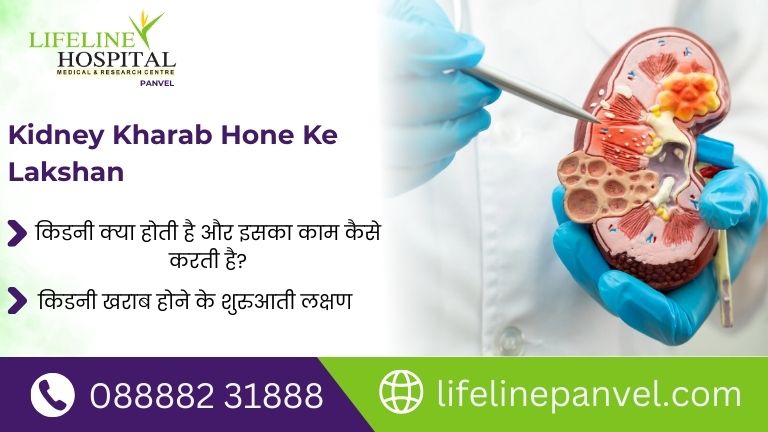
Blog Kidney Kharab Hone Ke Lakshan – किडनी खराब होने के लक्षण, कारण और बचाव किडनी क्या होती है और इसका काम कैसे करती है? आपकी किडनी पीठ के मध्य भाग के पास, रीढ़ की हड्डी के दोनों ओर स्थित सेम के आकार के अंग हैं। प्रत्येक किडनी मुट्ठी के आकार की होती है। आपकी किडनी मूत्रमार्ग का हिस्सा हैं, जो मूत्र बनाने और उसे शरीर से बाहर निकालने वाले अंगों का समूह है। मूत्रमार्ग में किडनी, मूत्रवाहिनी, मूत्राशय और मूत्रमार्ग शामिल हैं। किडनी का शरीर में मुख्य कार्य आपकी किडनी पीठ के मध्य भाग के पास, रीढ़ की हड्डी के दोनों ओर स्थित सेम के आकार के अंग हैं। प्रत्येक किडनी मुट्ठी के आकार की होती है। आपकी किडनी मूत्रमार्ग का हिस्सा हैं, जो मूत्र बनाने और उसे शरीर से बाहर निकालने वाले अंगों का समूह है। मूत्रमार्ग में किडनी, मूत्रवाहिनी, मूत्राशय और मूत्रमार्ग शामिल हैं। शरीर से विषैले पदार्थ निकालने की प्रक्रिया प्रत्येक गुर्दे में लगभग दस लाख छोटी इकाइयाँ होती हैं जिन्हें नेफ्रॉन कहते हैं। प्रत्येक नेफ्रॉन एक बहुत छोटे फिल्टर से बना होता है, जिसे ग्लोमेरुलस कहते हैं, जो एक नलिका से जुड़ा होता है। जब रक्त नेफ्रॉन से गुजरता है, तो तरल पदार्थ और अपशिष्ट पदार्थ छन जाते हैं। अधिकांश तरल पदार्थ रक्त में वापस चला जाता है, जबकि अपशिष्ट पदार्थ मूत्र के रूप में बचे हुए तरल पदार्थ में केंद्रित हो जाते हैं। शरीर से विषैले पदार्थ निकालने की प्रक्रिया प्रत्येक गुर्दे में लगभग दस लाख छोटी इकाइयाँ होती हैं जिन्हें नेफ्रॉन कहते हैं। प्रत्येक नेफ्रॉन एक बहुत छोटे फिल्टर से बना होता है, जिसे ग्लोमेरुलस कहते हैं, जो एक नलिका से जुड़ा होता है। जब रक्त नेफ्रॉन से गुजरता है, तो तरल पदार्थ और अपशिष्ट पदार्थ छन जाते हैं। अधिकांश तरल पदार्थ रक्त में वापस चला जाता है, जबकि अपशिष्ट पदार्थ मूत्र के रूप में बचे हुए तरल पदार्थ में केंद्रित हो जाते हैं। मूत्र मूत्रवाहिनी नामक नली के माध्यम से मूत्राशय में जाता है। मूत्राशय से मूत्र मूत्रमार्ग नामक नली के माध्यम से शरीर से बाहर निकलता है। गुर्दा आमतौर पर प्रतिदिन एक से दो लीटर मूत्र बनाता है, जो आपके शरीर की बनावट, आपके द्वारा पिए जाने वाले पानी की मात्रा, तापमान और आपके द्वारा किए जाने वाले व्यायाम की मात्रा पर निर्भर करता है। किडनी की सेहत क्यों जरूरी है रक्त को छानने के साथ-साथ, गुर्दे निम्नलिखित कार्य भी करते हैं: शरीर में महत्वपूर्ण हार्मोन का निर्माण और विनियमन करना जो रक्तचाप, लाल रक्त कोशिकाओं के उत्पादन और आंत से कैल्शियम के अवशोषण को नियंत्रित करने में मदद करते हैं। शरीर के सुचारू रूप से कार्य करने के लिए शरीर में तरल पदार्थों का सही स्तर बनाए रखना आवश्यक है। शरीर में नमक, पानी और अन्य रसायनों की मात्रा को नियंत्रित करके शरीर की रासायनिक संरचना को नियंत्रित करना। यदि आपके गुर्दे क्षतिग्रस्त हो जाते हैं और ठीक से काम नहीं करते हैं, तो अतिरिक्त तरल पदार्थ और अपशिष्ट पदार्थ मूत्र के रूप में शरीर से बाहर निकलने के बजाय वापस आपके रक्तप्रवाह में चले जाते हैं। इससे शरीर में तरल पदार्थ और विषाक्त अपशिष्ट जमा हो सकते हैं, जो मस्तिष्क, हृदय, फेफड़े और हड्डियों सहित कई अंगों को प्रभावित कर सकते हैं। किडनी खराब होने के शुरुआती लक्षण बार-बार पेशाब आना या बहुत कम आना अगर आपको बार-बार पेशाब करने की ज़रूरत महसूस होती है, खासकर रात में, तो यह गुर्दे की बीमारी का संकेत हो सकता है। गुर्दे के फ़िल्टर खराब होने पर पेशाब करने की इच्छा बढ़ जाती है। कभी-कभी यह मूत्र संक्रमण या पुरुषों में बढ़े हुए प्रोस्टेट का भी संकेत हो सकता है। पेशाब में झाग, खून या बदबू आना अगर आपको बार-बार पेशाब करने की ज़रूरत महसूस होती है, खासकर रात में, तो यह गुर्दे की बीमारी का संकेत हो सकता है। गुर्दे के फ़िल्टर खराब होने पर पेशाब करने की इच्छा बढ़ जाती है। कभी-कभी यह मूत्र संक्रमण या पुरुषों में बढ़े हुए प्रोस्टेट का भी संकेत हो सकता है। टखनों, पैरों और चेहरे पर सूजन गुर्दे की कार्यक्षमता में कमी से शरीर में सोडियम (नमक) जमा हो सकता है, जिससे पैरों और टखनों में सूजन आ सकती है। पैरों के निचले हिस्से में सूजन हृदय रोग, यकृत रोग और पैरों की नसों की पुरानी समस्याओं का भी संकेत हो सकती है। लगातार थकान या कमजोरी गुर्दे की कार्यक्षमता में गंभीर कमी से रक्त में विषाक्त पदार्थों और अशुद्धियों का जमाव हो सकता है। इससे थकान या कमजोरी महसूस हो सकती है और ध्यान केंद्रित करना मुश्किल हो सकता है। गुर्दे की बीमारी की एक और जटिलता एनीमिया है, जिससे कमजोरी और थकान हो सकती है। भूख कम लगना और मतली यह एक बहुत ही सामान्य लक्षण है, लेकिन गुर्दे की कार्यक्षमता में कमी के परिणामस्वरूप विषाक्त पदार्थों का जमाव भी इसका एक कारण हो सकता है। सांस फूलना या सीने में भारीपन शरीर में अतिरिक्त तरल पदार्थ या एनीमिया होने से सांस लेने में कठिनाई हो सकती है। नींद में परेशानी जब गुर्दे ठीक से फ़िल्टर नहीं करते हैं, तो विषाक्त पदार्थ मूत्र के रास्ते शरीर से बाहर निकलने के बजाय रक्त में ही रह जाते हैं। इससे नींद में परेशानी हो सकती है। मोटापा और दीर्घकालिक गुर्दे की बीमारी के बीच भी संबंध है, और गुर्दे की बीमारी से पीड़ित लोगों में स्लीप एपनिया आम आबादी की तुलना में अधिक पाया जाता है। त्वचा में खुजली या ड्राइनेस स्वस्थ गुर्दे कई महत्वपूर्ण कार्य करते हैं। वे शरीर से अपशिष्ट और अतिरिक्त तरल पदार्थ निकालते हैं, लाल रक्त कोशिकाओं के निर्माण में सहायता करते हैं, हड्डियों को मजबूत रखते हैं और रक्त में खनिजों की सही मात्रा बनाए रखने का काम करते हैं। शुष्क और खुजली वाली त्वचा खनिज और हड्डी संबंधी बीमारी का संकेत हो सकती है, जो अक्सर गुर्दे की गंभीर बीमारी के साथ होती है, या जब गुर्दे रक्त में खनिजों और पोषक तत्वों का सही संतुलन बनाए रखने में सक्षम नहीं रह जाते हैं। किडनी खराब होने के गंभीर लक्षण हाई ब्लड प्रेशर अचानक बढ़ जाना इलेक्ट्रोलाइट असंतुलन आपके हृदय को प्रभावित कर सकता है और अनियमित हृदय गति (अतालता) का कारण बन सकता है। पेशाब बिल्कुल
ECG Test Price in Navi Mumbai: Cost, Procedure, and What You Should Know
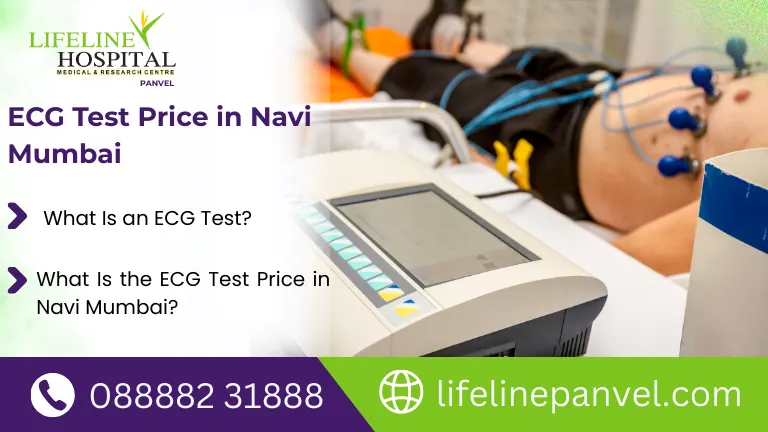
Blog ECG Test Price in Navi Mumbai: Cost, Procedure, and What You Should Know An ECG test is one of the simplest and quickest ways to check how the heart is working. Many people are unsure about when an ECG is needed, what the test shows, or what the ECG test price might be in Navi Mumbai. With heart-related problems increasing in busy cities, having basic knowledge about ECG testing can help you act early when something doesn’t feel right. ECG tests record the heart’s electrical activity, which helps doctors understand if your heart rhythm is normal or if there’s a possible issue. Whether you have chest discomfort, breathlessness, or just want a routine check, an ECG is often the first test recommended. It is painless, safe, and gives results almost immediately. What Is an ECG Test? An ECG (Electrocardiogram) is a test that tracks the electrical signals of the heart. Every beat your heart makes creates tiny electrical impulses. The ECG machine reads these impulses and draws them as waves on paper or a computer screen. Doctors study these waves to detect problems like irregular heartbeats, weak blood flow, or signs of a past heart attack. ECG tests are most commonly done in the Cardiac Department, but sometimes the General Medicine department may also recommend the test when patients report symptoms like chest pain, dizziness, or palpitations. What Is the ECG Test Price in Navi Mumbai? The ECG test price in Navi Mumbai can vary depending on the hospital or diagnostic center you choose. Generally, the cost is affordable, but it may differ based on the type of ECG and the level of medical supervision required. Some places offer basic resting ECGs at a lower cost, while advanced tests like stress ECG or Holter monitoring may be priced higher. The important thing is not just the price but also the accuracy of the reports, since heart tests need to be very reliable. Factors That Affect the ECG Test Price in Navi Mumbai ECG prices are not the same everywhere because several things affect the cost: The type of ECG test (resting, stress, or Holter) The quality of equipment used Doctor evaluation or consultation charges Whether the test is done in an emergency The hospital or diagnostic center’s reputation In emergency situations, patients who enter through the Casualty Department may require immediate ECG testing, which can sometimes change the cost slightly. Types of ECG Tests Resting ECG This is the most common test. You simply lie down, relax, and the machine records your heart signals. Stress ECG Done while you walk on a treadmill or pedal a stationary bike. It shows how the heart performs under physical stress. Holter Monitoring A portable ECG device that you wear for 24–48 hours. It records heart signals continuously and helps catch irregularities that don’t appear in short tests. How to Prepare for an ECG Test? Nothing special is required, but a few simple steps help: Wear loose, comfortable clothes Avoid oily lotions or creams Tell the doctor about any medicines you take Try to stay relaxed There is no fasting or diet restriction for a basic ECG. Why Do People Need ECG Tests? People usually get an ECG when they feel: Chest pain Rapid or irregular heartbeat Dizziness Fainting spells Shortness of breath Doctors in both the Cardiac Department and General Medicine often recommend ECG tests to understand heart health quickly. Patients who suddenly experience severe symptoms may be taken directly to the Casualty Department for immediate ECG testing. Why Do People Need ECG Tests? People usually get an ECG when they feel: Chest pain Rapid or irregular heartbeat Dizziness Fainting spells Shortness of breath Doctors in both the Cardiac Department and General Medicine often recommend ECG tests to understand heart health quickly. Patients who suddenly experience severe symptoms may be taken directly to the Casualty Department for immediate ECG testing. Why Do People Need ECG Tests? An ECG test is simple and takes only a few minutes: You lie down on a bed. Sticky patches (electrodes) are placed on your chest, arms, and legs. Wires connect the electrodes to the machine. The machine records your heart’s electrical activity. The test is painless and completely safe. Who Needs to Take an ECG Test? ECG tests are recommended for: People with high blood pressure Diabetics Smokers People with family history of heart disease Those experiencing chest discomfort or palpitations Older adults Patients who recently had a heart attack Even young adults might need ECG testing if they have sudden chest pain due to stress, anxiety, or workout strain. When Is the Best Time to Take an ECG Test? Take an ECG immediately if you have: Sharp chest pain Difficulty breathing Sudden dizziness Fainting Irregular heartbeat In emergencies, patients are usually taken straight to the Casualty Department, where ECG testing is available right away. For routine health checkups, it is best to do the test when you are calm and rested. Looking for reliable ECG testing in Navi Mumbai? Book an appointment now! Make Appointment Are There Any Risks Involved in Taking an ECG Test? There are no risks involved. ECG tests are harmless and do not use electricity or radiation. The electrodes simply record signals; they do not send anything into your body. People of all ages including children and pregnant women can safely undergo this test. What to Expect After the ECG Test? Once the test is done: The report is usually ready quickly A doctor will explain the results If needed, more tests may be suggested You can go home immediately No recovery time is required If the ECG report shows an irregularity, a cardiologist may advise further tests like an echocardiogram or stress test. Why Choose Lifeline Hospital Panvel for Hysterectomy Surgery? Lifeline Hospital Panvel offers dependable ECG testing with accurate results and experienced medical professionals. The hospital has a strong Cardiac Department, a knowledgeable General Medicine team, and a 24×7 Casualty Department for emergency care. Patients appreciate the clear communication, hygienic environment, and supportive staff who
High Cholesterol Symptoms in Hindi – हाई कोलेस्ट्रॉल के लक्षण, कारण और उपचार

Blog High Cholesterol Symptoms in Hindi – हाई कोलेस्ट्रॉल के लक्षण, कारण और उपचार हाई कोलेस्ट्रॉल क्या होता है? उच्च कोलेस्ट्रॉल (हाइपरलिपिडेमिया) का मतलब है कि आपके रक्त में वसायुक्त पदार्थ (लिपिड) की मात्रा बहुत अधिक है, विशेष रूप से उच्च एलडीएल (खराब) कोलेस्ट्रॉल या ट्राइग्लिसराइड्स, और अक्सर कम एचडीएल (अच्छा) कोलेस्ट्रॉल, धमनियों में प्लाक जमाव (एथेरोस्क्लेरोसिस) का कारण बनता है, जो रक्त प्रवाह को अवरुद्ध करके दिल का दौरा, स्ट्रोक और अन्य गंभीर समस्याएं पैदा कर सकता है। कोलेस्ट्रॉल के प्रकार (HDL, LDL, Triglycerides) एचडीएल का मतलब हाई-डेंसिटी लिपोप्रोटीन है। इसे कभी-कभी “अच्छा” कोलेस्ट्रॉल भी कहा जाता है क्योंकि यह शरीर से कोलेस्ट्रॉल को बाहर निकालने में मदद करता है। यह शरीर के अन्य हिस्सों से कोलेस्ट्रॉल को वापस लिवर तक ले जाता है। फिर लिवर उस कोलेस्ट्रॉल को शरीर से बाहर निकाल देता है। एलडीएल का मतलब है लो-डेंसिटी लिपोप्रोटीन। इसे कभी-कभी “खराब” कोलेस्ट्रॉल भी कहा जाता है क्योंकि एलडीएल का उच्च स्तर आपकी धमनियों में प्लाक के जमाव का कारण बनता है। वीएलडीएल का पूरा नाम वेरी लो-डेंसिटी लिपोप्रोटीन है। कुछ लोग वीएलडीएल को “खराब” कोलेस्ट्रॉल भी कहते हैं क्योंकि यह भी धमनियों में प्लाक जमा होने में योगदान देता है। लेकिन वीएलडीएल और एलडीएल अलग-अलग होते हैं; वीएलडीएल मुख्य रूप से ट्राइग्लिसराइड्स को ले जाता है जबकि एलडीएल मुख्य रूप से कोलेस्ट्रॉल को ले जाता है। खराब कोलेस्ट्रॉल (LDL) क्यों खतरनाक है? बिना निदान या उपचार के उच्च रक्त कोलेस्ट्रॉल गंभीर स्वास्थ्य समस्याओं का कारण बन सकता है: अगर आपकी धमनियों में प्लाक का बड़ा जमाव है, तो प्लाक का एक हिस्सा फट सकता है। इससे प्लाक की सतह पर रक्त का थक्का बन सकता है। अगर थक्का काफी बड़ा हो जाए, तो यह कोरोनरी धमनी में रक्त प्रवाह को लगभग या पूरी तरह से अवरुद्ध कर सकता है। यदि आपके हृदय की मांसपेशियों में ऑक्सीजन युक्त रक्त का प्रवाह कम हो जाता है या अवरुद्ध हो जाता है, तो इससे सीने में दर्द या दिल का दौरा पड़ सकता है। प्लाक आपके शरीर की अन्य धमनियों में भी जमा हो सकता है, जिनमें आपके मस्तिष्क और अंगों तक ऑक्सीजन युक्त रक्त पहुँचाने वाली धमनियाँ भी शामिल हैं। इससे कैरोटिड धमनी रोग, स्ट्रोक और परिधीय धमनी रोग जैसी समस्याएँ हो सकती हैं। शरीर में कोलेस्ट्रॉल की भूमिका आपके शरीर को हार्मोन, विटामिन डी और भोजन पचाने में सहायक पदार्थों के निर्माण के लिए कुछ कोलेस्ट्रॉल की आवश्यकता होती है। आपका शरीर अपनी आवश्यकता का सारा कोलेस्ट्रॉल स्वयं बनाता है। हाई कोलेस्ट्रॉल के लक्षण (High Cholesterol Symptoms) शुरुआत में कोई लक्षण न दिखना यह एक ऐसी स्थिति है जिसमें अक्सर कोई लक्षण नहीं दिखते, और इसका निदान रक्त परीक्षण (लिपिड पैनल) के माध्यम से किया जाता है, जिसमें 200 मिलीग्राम/डीएल से ऊपर का कुल स्तर अक्सर उच्च माना जाता है। छाती में जकड़न या दर्द सीने में दर्द उच्च कोलेस्ट्रॉल के लक्षणों में से एक है, जिसके प्रति जागरूक रहना आवश्यक है। ऐसा इसलिए है क्योंकि यह स्थिति उच्च कोलेस्ट्रॉल से उत्पन्न जटिलताओं का संकेत हो सकती है। धमनियों की दीवारों पर प्लाक जमने से हृदय को रक्त की आपूर्ति बाधित होती है, जिससे सीने में दर्द या एंजाइना होता है। सांस फूलना या थकान उच्च कोलेस्ट्रॉल के लक्षणों में सीने में दर्द के अलावा सांस लेने में तकलीफ भी शामिल हो सकती है। यह स्थिति प्लाक के जमाव के कारण हो सकती है, जिससे हृदय और फेफड़ों तक पर्याप्त ऑक्सीजन नहीं पहुंच पाती। हाथ-पैर सुन्न होना उच्च कोलेस्ट्रॉल स्तर, विशेष रूप से एलडीएल, पैरों में रक्त और ऑक्सीजन के प्रवाह को बाधित कर सकता है, जिससे झुनझुनी या ऐंठन हो सकती है। अधिक गंभीर मामलों में, उच्च एलडीएल घाव भरने की प्रक्रिया को भी धीमा कर सकता है। पैरों में ऐंठन अनियंत्रित उच्च कोलेस्ट्रॉल के कारण पैरों में दर्द भी हो सकता है। यह स्थिति धमनियों में प्लाक जमने के कारण होती है, जिससे शरीर के ऊतकों, जिनमें पैर और पंजे भी शामिल हैं, तक रक्त वाहिकाओं का प्रवाह कम हो जाता है। आंखों के पास पीले धब्बे (Xanthelasma) ज़ैंथेलस्मा ये आंखों के आसपास कोलेस्ट्रॉल के जमाव होते हैं, जो पलकों पर पीले धब्बों के रूप में दिखाई दे सकते हैं। त्वचा के नीचे फैट जमना (Xanthomas) ये त्वचा के नीचे जमा वसा होते हैं, जो अक्सर पीले रंग के उभार या गांठ के रूप में दिखाई देते हैं, आमतौर पर कोहनी, घुटनों या नितंबों पर। हाई कोलेस्ट्रॉल के कारण गलत आहार और अधिक फैट का सेवन अस्वास्थ्यकर खान-पान की आदतें, जैसे कि अधिक मात्रा में संतृप्त वसा का सेवन। ये वसा लाल मांस, वसायुक्त डेयरी उत्पाद, चॉकलेट, कुछ बेकरी उत्पादों और कई तले हुए और प्रसंस्कृत खाद्य पदार्थों में पाई जाती हैं। अधिक मात्रा में संतृप्त वसा का सेवन करने से आपका एलडीएल (खराब) कोलेस्ट्रॉल बढ़ सकता है। मोटापा और शारीरिक गतिविधि की कमी शारीरिक गतिविधि की कमी, अधिक देर तक बैठे रहना और कम व्यायाम करना। इससे आपका एचडीएल (अच्छा) कोलेस्ट्रॉल कम हो जाता है। आनुवंशिक कारण कुछ लोगों को अपने माता-पिता से ऐसे जीन विरासत में मिलते हैं जिनके कारण उनके शरीर में कोलेस्ट्रॉल की मात्रा अधिक हो जाती है। यदि आपके परिवार में पारिवारिक हृदय रोग (FH) या उच्च कोलेस्ट्रॉल से संबंधित समस्याओं का इतिहास है, तो अपने कोलेस्ट्रॉल स्तर की जांच करवाएं। धूम्रपान और अल्कोहल सिगरेट पीने से एचडीएल कोलेस्ट्रॉल का स्तर कम हो जाता है और रक्त वाहिकाएं क्षतिग्रस्त हो जाती हैं, जिससे उनमें वसा जमा होने की संभावना बढ़ जाती है। डायबिटीज और थायरॉयड समस्याएँ मधुमेह से एलडीएल (खराब कोलेस्ट्रॉल) बढ़ता है और एचडीएल (अच्छा कोलेस्ट्रॉल) घटता है। इस स्थिति को डायबिटिक डिस्लिपिडेमिया कहते हैं। हाई कोलेस्ट्रॉल से होने वाले जोखिम हार्ट अटैक का खतरा उच्च कोलेस्ट्रॉल उच्च रक्तचाप का कारण बन सकता है, जिससे हृदय और रक्त वाहिकाओं पर दबाव पड़ता है। स्ट्रोक का बढ़ा हुआ जोखिम धमनियों में रुकावट या संकुचन मस्तिष्क में रक्त प्रवाह को बाधित कर सकता है, जिसके परिणामस्वरूप स्ट्रोक हो सकता है। धमनियों में ब्लॉकेज (Atherosclerosis) प्लाक के जमाव से धमनियां संकीर्ण हो सकती हैं, जिससे रक्त प्रवाह प्रतिबंधित हो जाता है और एथेरोस्क्लेरोसिस हो सकता है । ब्लड सर्कुलेशन में कमी अंगों में रक्त प्रवाह कम होने से दर्द, सुन्नता और
4 Stages of Typhoid Fever: What to Expect From Infection to Recovery

Blog 4 Stages of Typhoid Fever: What to Expect From Infection to Recovery Typhoid fever is one of those illnesses that sneaks into the body slowly and quietly. Many people don’t even realize they have it at first because the early signs look just like normal fever or tiredness. It spreads mostly through unsafe food and contaminated water, and once the bacteria enters the body, it moves through different levels or stages. Knowing the 4 stages of typhoid fever helps you understand how the disease develops, what symptoms you should take seriously, and when it’s time to get medical help before things get worse. What is Typhoid Fever? Typhoid is a bacterial infection caused by Salmonella Typhi. After entering the bloodstream, this germ goes around the entire body, especially targeting the stomach and intestines. Typhoid is very common in places with poor water quality or improper food hygiene. People with typhoid often feel weak, feverish, tired, and uncomfortable for days or even weeks if they don’t get proper treatment. Children, older adults, and those with weak immunity must be treated carefully, which is why early diagnosis is very important. How Does Typhoid Fever Spread? Typhoid mainly spreads through the fecal-oral route. This basically means: A person with typhoid uses the toilet They don’t wash their hands properly They touch food or water Someone else eats or drinks it Street food, uncovered snacks, dirty water, and poor hygiene habits are the biggest reasons for typhoid in India. How Common is Typhoid Fever? Typhoid is very common in India and peaks during monsoon season when water contamination becomes a serious problem. Thousands of children and adults get typhoid every year. Many cases are handled by General Medicine and Pediatrics teams, especially when kids fall sick due to unsafe food or water. What Are The 4 Stages of Typhoid Fever? There are 4 stages of typhoid fever, and the infection changes as it moves from one stage to the next. These stages help doctors understand how serious the disease is and what treatment the patient needs at each point. Causes of Typhoid Fever The main cause of typhoid is the Salmonella Typhi bacteria. But how does it reach your body? Drinking contaminated or unfiltered water Eating food made or stored in unhygienic conditions Consuming raw salads or fruits sold in open spaces Not washing hands before eating Living in areas with poor sanitation Most of these causes are avoidable with basic hygiene practices. Stages of Typhoid Fever Now let’s look at the 4 stages of typhoid fever one by one so you can understand how the disease grows over time. Stage 1 – Week 1 (Early Signs Begin) The first week usually brings mild symptoms: Low or moderate fever Headache Body aches Tiredness Sometimes a dry cough Because these signs look like normal viral fever, many people don’t recognize that typhoid is starting to develop. Stage 2 – Week 2 (High Fever & Stomach Problems) In the second week, the infection becomes stronger. High fever (102–104°F) Stomach pain Diarrhea or constipation Loss of appetite Extreme tiredness By now, the bacteria are spreading inside the intestines and bloodstream, making the symptoms more noticeable. Stage 3 – Week 3 (Serious Complications) This is the most dangerous stage and must be treated quickly. Patients may develop: Intestinal bleeding Severe dehydration Confusion or strange behavior Weakness Low blood pressure Without proper treatment, complications grow rapidly in this stage. Symptoms of Typhoid Fever Typhoid symptoms appear slowly and gradually: High fever Weakness Stomach discomfort or cramps Poor appetite Mild rashes (called rose spots) Headache or body ache Tiredness that stays for days Children may vomit more and get dehydrated faster. Pediatric doctors pay special attention to kids’ symptoms because they can worsen quickly. Diagnosis of Typhoid Fever To confirm typhoid, doctors commonly advise: Widal test Typhi Dot test Blood culture (most accurate) Complete Blood Count (CBC) Early testing helps prevent Stage 3 complications. Which Organ is Affected By Typhoid? The part of the body affected most by typhoid is the intestine, especially the small intestine. If the infection becomes severe, it may also affect: Liver Spleen Bone marrow Gallbladder This is why untreated typhoid becomes dangerous Looking for trusted typhoid testing and care? Book an appointment now! Make Appointment Prevention of Typhoid Fever Preventing typhoid is much easier than dealing with the 4 stages of typhoid fever once the infection starts. You can protect yourself by: Drinking clean or boiled water Washing hands before meals Avoiding street food Staying away from raw salads outside Getting vaccinated These simple steps reduce the risk significantly. What Tests Can Be Done to Diagnose Typhoid Fever? Doctors may suggest: Blood culture Widal Typhi Dot IgM CBC Occasionally stool tests All of these help confirm the presence of typhoid bacteria in the body. What Are Safe Food Practices To Prevent Typhoid Fever? Good eating habits help prevent typhoid: Eat freshly cooked meals Avoid open or uncovered food Wash fruits and vegetables thoroughly Drink filtered or bottled water when outside Keep your kitchen clean at home These small practices make a big difference in preventing infection. Why Choose Lifeline Hospital Panvel for Hysterectomy Surgery? Lifeline Hospital Panvel is trusted for its warm, patient-first approach where care is explained in simple, easy-to-understand language. Our General Medicine and Pediatrics specialists manage typhoid cases with close attention and a lot of patience, making sure every patient feels supported from diagnosis to recovery. Whether it’s accurate testing, clear communication, or safe treatment for both adults and children, the hospital ensures a comfortable and hygienic environment throughout the process. Families also receive guidance about the 4 stages of typhoid fever so they can notice early warning signs and prevent complications before they become serious. Frequently Asked Questions (FAQs) How long do the 4 stages of typhoid fever last? The 4 stages of typhoid fever usually develop over 3 to 4 weeks if left untreated. With early diagnosis and antibiotics, recovery may happen much sooner. Are all 4 stages