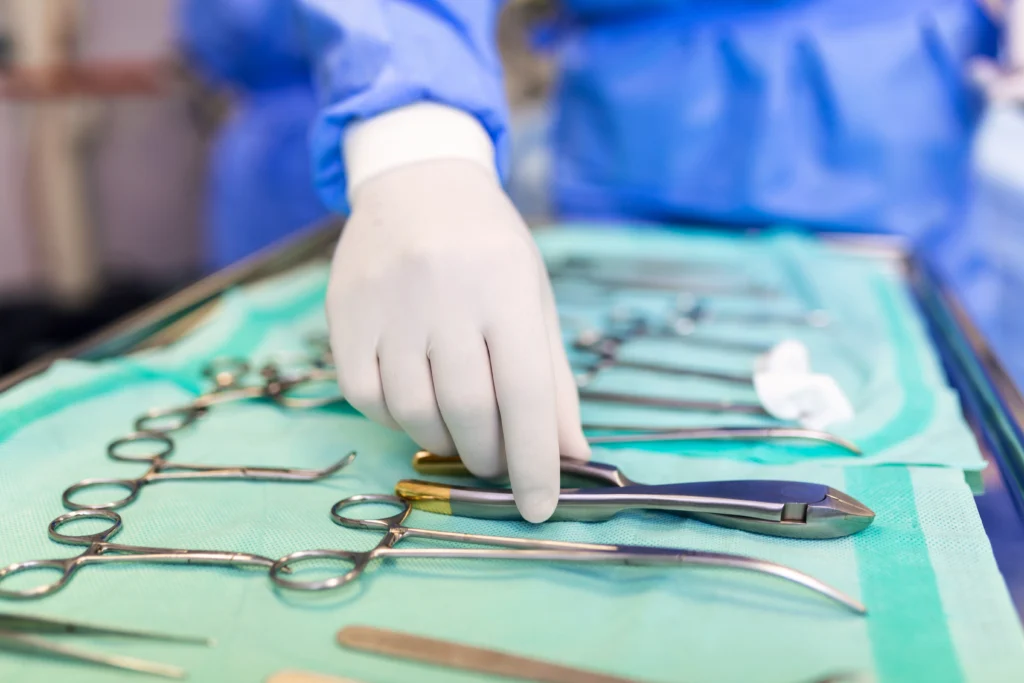
General surgery involves the diagnosis and surgical treatment of conditions affecting the abdomen, digestive system, abdominal wall and certain soft tissues. The need for surgery depends on the patient's symptoms, examination findings, investigation results and overall medical condition. At Lifeline Hospital Panvel, general surgery services are intended for patients who require surgical assessment, planned procedures or evaluation of conditions that may need urgent intervention. The surgical approach is determined by the nature of the condition and the patient's individual clinical requirements.
Hernia occurs when an internal organ or tissue pushes through a weakened area of muscle or connective tissue. Common types include inguinal, umbilical, and incisional hernias. Symptoms may include a visible bulge, discomfort, pain while lifting objects, or a feeling of pressure in the affected area. Surgical assessment helps determine whether hernia repair is required based on the type, size, symptoms, and risk of complications.
Appendicitis is the inflammation of the appendix, a small pouch attached to the large intestine. It commonly causes abdominal pain that may begin around the navel and shift towards the lower right side of the abdomen. Other symptoms may include nausea, vomiting, fever, and loss of appetite. Timely medical evaluation is important, as appendicitis may require surgical removal of the appendix to prevent complications such as rupture or infection.
Gallbladder conditions commonly include gallstones and inflammation of the gallbladder, also known as cholecystitis. These conditions may cause pain in the upper right abdomen, particularly after meals, along with nausea, vomiting, or indigestion. Depending on the diagnosis and severity of symptoms, treatment may involve medication, monitoring, or surgical removal of the gallbladder. Appropriate investigations help determine the suitable course of treatment.
Intestinal conditions requiring surgical evaluation include intestinal obstruction, perforation, appendicular complications, and certain inflammatory or structural disorders of the bowel. Symptoms may include abdominal pain, swelling, vomiting, constipation, or difficulty passing stools or gas. Treatment depends on the underlying condition and may involve medication, observation, or surgery to relieve an obstruction, repair damaged tissue, or remove an affected portion of the intestine when necessary.
Soft tissue lumps may develop beneath or on the skin due to conditions such as lipomas, cysts, and other benign growths. Some lumps remain painless and grow slowly, while others may become painful, increase in size, or show signs of infection. Clinical examination helps assess their location, size, and characteristics. Depending on the findings, further investigations or surgical removal may be considered, with removed tissue sent for laboratory examination when indicated.
General surgery also covers several other conditions that may require surgical assessment, including abscesses, infected wounds, pilonidal sinus, and selected abdominal wall or soft tissue disorders. Symptoms and treatment requirements vary depending on the condition. Management may involve drainage of an abscess, wound cleaning, removal of affected tissue, or a planned surgical procedure. The appropriate approach is determined by the clinical findings, severity of the condition, and the patient’s overall health.

General surgery services at Lifeline Hospital Panvel include the assessment and surgical management of selected abdominal conditions, hernias, appendicitis, gallbladder disorders and other conditions that may require an operation.
A surgical consultation may be appropriate when symptoms, examination findings or diagnostic reports suggest a condition that could require an operation. A surgeon evaluates the findings and explains the available management options.
Urgent medical assessment : Sudden severe abdominal pain, a rigid abdomen, persistent vomiting, fainting or a painful hernia swelling that cannot be pushed back may indicate a serious condition. Seek emergency medical care rather than waiting for a routine appointment.
The surgeon reviews symptoms, medical history, previous operations, current medicines and relevant examination findings.
The surgeon explains whether observation, medication, further investigation or surgery is appropriate, including relevant risks and alternatives.
If surgery is needed, preparation, anaesthesia assessment, postoperative care, discharge, and follow-up are planned according to the procedure and patient’s condition.
Lifeline Hospital is located opposite the ST Bus Stand on NH 4 in Panvel, Navi Mumbai. Patients requiring surgical assessment can contact the hospital for information about general surgery consultations, available procedures and the process for arranging an evaluation. The appropriate treatment is determined following an individual clinical assessment.
Hospital address and contact details verified against the official website.
General surgery may involve conditions such as hernias, appendicitis, gallbladder disorders, selected intestinal conditions and certain soft tissue lumps. The specific conditions treated depend on the surgical department's scope of services.
The surgeon reviews symptoms, medical history and examination findings and may recommend diagnostic tests. Available treatment options, potential risks and the need for surgery are discussed according to the patient's condition.
Laparoscopic surgery may be suitable for selected conditions. The decision depends on the diagnosis, medical history, previous operations and the surgeon's assessment.
Preparation depends on the planned procedure and anaesthesia. Patients should follow the treating team's instructions about fasting, medicines, investigations and admission. Do not stop prescribed medicines without medical advice.
Recovery varies according to the operation, the patient's health, and whether complications occur. The treating team provides individual guidance about activity, wound care, diet and follow-up.
Sudden severe abdominal pain, fainting, persistent vomiting or a painful, firm hernia swelling may require urgent assessment. Seek emergency medical care if these symptoms occur.

We’ve received your details successfully. Our care team will reach out to you within 30 minutes to guide you further. We look forward to helping you.

We’ve received your details successfully. Our care team will reach out to you within 30 minutes to guide you further. We look forward to helping you.