

What Are Veneers? A Complete Guide to a Beautiful Smile

Blog What Are Veneers? A Complete Guide to a Beautiful Smile A bright, attractive smile can make a lasting impression, but chipped, stained, uneven, or slightly misaligned teeth often affect confidence. Cosmetic dentistry offers several treatments to improve the appearance of teeth, and veneers are among the most popular choices. If you have been wondering what are veneers, they are thin, custom-made shells that cover the front surface of teeth to enhance their color, shape, size, and overall appearance. Veneers are designed to look natural while preserving most of your existing tooth structure. They are widely chosen by people looking for a long-lasting smile makeover without undergoing extensive dental procedures. Whether you have discoloration that doesn’t respond to teeth whitening or small gaps between teeth, veneers can provide an effective cosmetic solution. What Are Veneers? What are veneers? Veneers are ultra-thin coverings made from porcelain or composite resin that are bonded to the front surface of teeth. They are custom-crafted to match the shape, color, and size of your natural teeth, creating a seamless and attractive smile. Unlike crowns, which cover the entire tooth, veneers only cover the visible front portion. This makes them a more conservative cosmetic treatment while still delivering impressive aesthetic results. Dentists commonly recommend veneers for patients with healthy teeth and gums who want to improve the appearance of their smile rather than treat major dental problems. Who Can Benefit from Veneers? Veneers are suitable for people who want to improve cosmetic imperfections such as stained teeth that cannot be treated with whitening, chipped or cracked teeth, worn-down teeth, unevenly shaped teeth, small gaps between teeth, or mildly misaligned teeth. A dental examination is necessary to determine whether veneers are the best option. Patients should have good oral health, healthy gums, and enough enamel to support the bonding process. Types of Veneers Porcelain Veneers Porcelain veneers are highly durable and closely resemble natural tooth enamel. They resist stains better than composite veneers and typically last much longer with proper care. Their lifelike appearance makes them one of the most preferred cosmetic dental treatments. Composite Veneers Composite veneers are made using tooth-colored resin. They usually require less enamel removal and can often be completed in a single visit. While they are more affordable than porcelain veneers, they may stain more easily and generally have a shorter lifespan. The Veneers Procedure The process of getting veneers usually involves two to three dental visits. During the first appointment, the dentist evaluates your oral health, discusses your smile goals, and determines whether veneers are suitable for you. Digital scans, photographs, or dental impressions may be taken to plan the treatment. In the preparation stage, a very thin layer of enamel is removed from the front of the teeth to create space for the veneers. This ensures they fit naturally without appearing bulky. For porcelain veneers, impressions are sent to a dental laboratory where the custom veneers are fabricated. Temporary veneers may be placed until the final ones are ready. Once the permanent veneers are prepared, the dentist checks their fit, color, and appearance before bonding them securely to the teeth using a strong dental adhesive. Final adjustments are made to ensure comfort and a natural bite. Benefits of Veneers Veneers have become one of the most popular cosmetic dental treatments because they offer several advantages. They provide a natural-looking smile by closely matching the appearance of natural teeth. They can effectively cover stains that do not respond to professional whitening treatments. Veneers also improve the shape and symmetry of teeth, making the smile appear more balanced. Porcelain veneers are resistant to stains from coffee, tea, and other commonly consumed beverages. They require minimal tooth preparation compared to crowns and can significantly improve confidence by creating a brighter, more attractive smile. How Long Do Veneers Last? The lifespan of veneers depends on the material used, oral hygiene, and lifestyle habits. Porcelain veneers typically last between 10 and 15 years, while composite veneers generally last around 5 to 7 years. Some patients enjoy even longer results by maintaining excellent oral hygiene and attending regular dental check-ups. Avoiding habits such as biting nails, chewing ice, or using teeth to open packages can also help extend the life of veneers. Caring for Veneers Maintaining veneers is similar to caring for natural teeth. Brush twice daily using a soft-bristled toothbrush and fluoride toothpaste. Floss every day to keep your gums healthy and prevent plaque buildup around the veneers. Regular dental cleanings and routine examinations help ensure that both the veneers and the underlying teeth remain in good condition. If you grind your teeth during sleep, your dentist may recommend wearing a night guard to protect your veneers from excessive pressure. Are Veneers Permanent? Veneers are generally considered a permanent cosmetic treatment because a small amount of enamel is removed during preparation. Once the enamel has been reduced, the tooth will always require some type of restoration. Although veneers themselves may eventually need replacement due to wear or damage, the treatment provides long-lasting improvements when properly maintained. Are Veneers Safe? Yes. Veneers are considered a safe cosmetic dental treatment when performed by an experienced dentist. The materials used are biocompatible, and the bonding process is well-established in modern dentistry. A comprehensive dental evaluation is important before treatment to ensure that problems such as gum disease, cavities, or teeth grinding are addressed beforehand. Factors That Affect the Cost of Veneers The cost of veneers can vary depending on several factors, including the number of teeth being treated, the type of veneer selected, the complexity of the case, the dentist’s expertise, the location of the dental clinic, and any additional procedures required before treatment. During your consultation, your dentist will provide a personalized treatment plan along with an estimated cost based on your smile goals. Why Choose Lifeline Hospital? Lifeline Hospital provides comprehensive dental care with a patient-focused approach. The dental team carefully evaluates each smile and creates personalized treatment plans based on individual needs and expectations.
Tooth Cavity Filling: Treatment, Benefits, Cost and Aftercare in Panvel

Blog Tooth Cavity Filling: Treatment, Benefits, Cost and Aftercare in Panvel A small cavity may not seem like a major dental issue at first, but ignoring it can lead to severe tooth damage, infection, and even tooth loss. One of the most effective solutions for treating early and moderate tooth decay is tooth cavity filling. This simple dental procedure restores the affected tooth, prevents further decay, and helps maintain normal chewing function. Many people delay dental treatment because they assume a cavity will not worsen quickly. In reality, tooth decay progresses over time and can spread deeper into the tooth structure. Timely tooth cavity filling treatment can save the tooth from requiring more extensive procedures such as root canal treatment or extraction. If you are experiencing tooth sensitivity, pain while eating sweets, or visible holes in your teeth, consulting a dentist at Lifeline Hospital Panvel can help address the issue before it becomes more serious. What Is a Tooth Cavity Filling? A tooth cavity filling is a dental procedure used to repair a tooth that has been damaged by decay. During the treatment, the dentist removes the decayed portion of the tooth and fills the space with a durable restorative material. The purpose of a tooth cavity filling is to restore the tooth’s shape, strength, and function while preventing bacteria from causing additional damage. Modern dental fillings are designed to blend naturally with your teeth, making them both functional and aesthetically pleasing. The procedure is commonly recommended for patients with mild to moderate tooth decay and is often completed in a single dental visit. What Causes Tooth Cavities? Tooth cavities develop when bacteria in the mouth produce acids that attack tooth enamel. Over time, these acids create small holes in the teeth. Common causes include: Poor oral hygiene Frequent consumption of sugary foods and beverages Plaque buildup Dry mouth conditions Irregular dental checkups Excessive snacking throughout the day When detected early, a tooth cavity filling can stop the decay from progressing deeper into the tooth. Signs That You May Need a Tooth Cavity Filling Many cavities do not cause symptoms during the initial stages. However, as decay progresses, certain warning signs may appear. Tooth Sensitivity You may feel discomfort when consuming hot, cold, sweet, or acidic foods and drinks. Toothache Persistent or occasional tooth pain can indicate tooth decay that requires a tooth cavity filling. Visible Holes or Dark Spots Small holes, pits, or discoloration on the tooth surface are common signs of cavities. Pain While Chewing Pain or discomfort when biting down may suggest that the cavity has reached deeper layers of the tooth. Food Frequently Getting Stuck Food particles getting trapped in a specific tooth can indicate structural damage caused by decay. If you notice any of these symptoms, scheduling a dental evaluation as soon as possible can prevent further complications. Types of Tooth Cavity Filling Materials Different filling materials are available depending on the location of the cavity, cosmetic preferences, and budget. Composite Fillings Composite fillings are tooth-colored materials that blend naturally with surrounding teeth. They are commonly used for visible areas of the mouth Glass Ionomer Fillings These fillings release fluoride, which can help protect the tooth from future decay. Ceramic Fillings Ceramic fillings offer excellent durability and aesthetics. They are often used for larger restorations. Although less common today, metal fillings remain a durable option for certain cases. Your dentist will recommend the most appropriate tooth cavity filling material based on your individual dental condition. Metal Fillings Although less common today, metal fillings remain a durable option for certain cases. Your dentist will recommend the most appropriate tooth cavity filling material based on your individual dental condition. Benefits of Tooth Cavity Filling Getting a tooth cavity filling at the right time offers several advantages. The treatment prevents decay from spreading deeper into the tooth. It restores normal chewing function and reduces discomfort caused by sensitivity or pain. A tooth cavity filling also helps preserve natural tooth structure, avoiding more complex procedures in the future. Modern fillings improve both functionality and appearance, allowing patients to maintain a healthy and confident smile. Early intervention is usually less expensive and less invasive compared to advanced restorative treatments. What Happens If a Cavity Is Not Treated? Many patients wonder whether a small cavity can heal on its own. Unfortunately, once a cavity forms, professional treatment is typically required. Without a tooth cavity filling, the decay continues to progress deeper into the tooth. This can lead to: Severe tooth pain Infection inside the tooth Dental abscess formation Root canal treatment Tooth fracture Tooth extraction Prompt dental care can prevent these complications and preserve the affected tooth. Aftercare Tips Following Tooth Cavity Filling Proper aftercare helps ensure the longevity of your tooth cavity filling. Avoid consuming extremely hot foods immediately after treatment. Maintain good oral hygiene by brushing twice daily and flossing regularly. Limiting sugary snacks and beverages can reduce the risk of new cavities developing. Regular dental checkups allow your dentist to monitor the condition of the filling and detect any issues early. Most fillings can last for many years with proper care and maintenance. Tooth Cavity Filling Cost in Panvel The cost of a tooth cavity filling in Panvel varies depending on several factors, including the size of the cavity, the location of the tooth, and the type of filling material used. Smaller cavities generally require less extensive treatment, while larger cavities may involve more advanced restorative procedures. Composite and ceramic fillings may have different pricing compared to other materials. A consultation with the dental team at Lifeline Hospital Panvel can provide an accurate treatment plan and cost estimate based on your specific dental needs. Why Choose Lifeline Hospital Panvel for Tooth Cavity Filling? At Lifeline Hospital Panvel, patients receive comprehensive dental care using modern diagnostic and treatment techniques. The dental team focuses on early cavity detection, precise treatment planning, and patient comfort throughout the procedure. Whether you require a routine tooth cavity filling or a complete dental
बेरिएट्रिक सर्जरी क्या है? फायदे, प्रक्रिया और संपूर्ण जानकारी
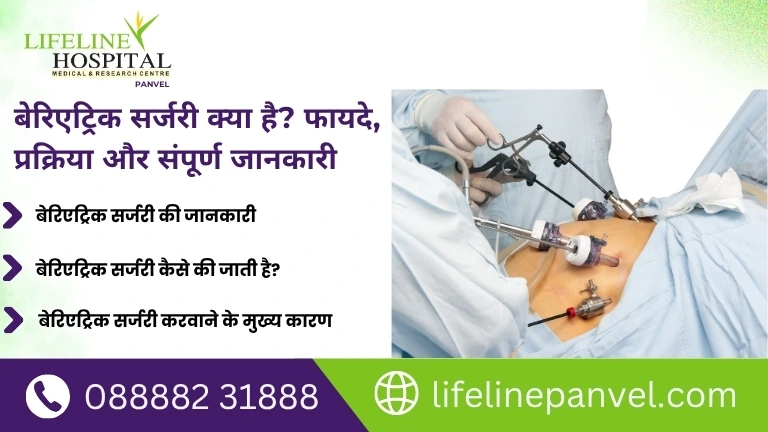
Blog बेरिएट्रिक सर्जरी क्या है? फायदे, प्रक्रिया और संपूर्ण जानकारी आज के समय में मोटापा केवल शरीर के बढ़ते वजन तक सीमित समस्या नहीं रह गया है। यह कई गंभीर बीमारियों का कारण बनता जा रहा है। डायबिटीज, हाई ब्लड प्रेशर, हार्ट डिजीज, स्लीप एपनिया और जोड़ों के दर्द जैसी समस्याएं अक्सर मोटापे से जुड़ी होती हैं। कई लोग डाइट, एक्सरसाइज और दवाइयों की मदद से वजन कम करने की कोशिश करते हैं, लेकिन कुछ मामलों में यह उपाय पर्याप्त साबित नहीं होते। ऐसी स्थिति में बेरिएट्रिक सर्जरी एक प्रभावी विकल्प मानी जाती है। यह सर्जरी केवल वजन कम करने के लिए नहीं, बल्कि मोटापे से जुड़ी स्वास्थ्य समस्याओं को नियंत्रित करने के लिए भी की जाती है। बेरिएट्रिक सर्जरी की जानकारी बेरिएट्रिक सर्जरी एक ऐसी मेडिकल प्रक्रिया है, जिसका उद्देश्य अत्यधिक मोटापे से पीड़ित लोगों का वजन नियंत्रित करना होता है। इस सर्जरी में पेट और पाचन तंत्र में बदलाव किए जाते हैं, जिससे व्यक्ति कम भोजन खाता है और शरीर में कैलोरी का अवशोषण भी कम होता है। यह सर्जरी उन लोगों के लिए सलाह दी जाती है जिनका वजन सामान्य सीमा से काफी अधिक होता है और जिनकी स्वास्थ्य समस्याएं मोटापे के कारण बढ़ रही होती हैं। कई बार लंबे समय तक वजन कम करने की कोशिशों के बावजूद परिणाम नहीं मिलने पर डॉक्टर इस सर्जरी का सुझाव देते हैं। बेरिएट्रिक सर्जरी केवल शरीर का आकार कम करने की प्रक्रिया नहीं है। यह व्यक्ति की पूरी जीवनशैली में बदलाव लाने का एक हिस्सा होती है। सर्जरी के बाद सही खानपान, नियमित व्यायाम और डॉक्टर की सलाह का पालन करना बहुत जरूरी होता है। बेरिएट्रिक सर्जरी कैसे की जाती है? बेरिएट्रिक सर्जरी आमतौर पर लेप्रोस्कोपिक तकनीक से की जाती है। इसमें पेट पर बड़े कट लगाने की बजाय छोटे-छोटे चीरे लगाए जाते हैं। इन चीरे के माध्यम से कैमरा और विशेष उपकरण शरीर के अंदर डाले जाते हैं। इससे सर्जरी सुरक्षित तरीके से की जा सकती है और रिकवरी में भी कम समय लगता है। सर्जरी के दौरान डॉक्टर पेट के आकार को छोटा कर सकते हैं या पाचन तंत्र के कुछ हिस्सों में बदलाव कर सकते हैं। इससे व्यक्ति को जल्दी पेट भरा हुआ महसूस होता है और भोजन की मात्रा कम हो जाती है। कुछ प्रक्रियाओं में शरीर कैलोरी और पोषक तत्वों को कम मात्रा में अवशोषित करता है, जिससे वजन तेजी से कम होने लगता है। सर्जरी से पहले मरीज की कई जांचें की जाती हैं। इसमें ब्लड टेस्ट, हार्ट चेकअप, डायबिटीज की जांच और अन्य मेडिकल परीक्षण शामिल हो सकते हैं। डॉक्टर मरीज की उम्र, वजन, मेडिकल हिस्ट्री और स्वास्थ्य स्थिति को देखकर सही प्रक्रिया तय करते हैं। बेरिएट्रिक सर्जरी करवाने के मुख्य कारण जब मोटापा व्यक्ति के स्वास्थ्य पर गंभीर असर डालने लगता है, तब बेरिएट्रिक सर्जरी की जरूरत पड़ सकती है। कई लोग लंबे समय तक डाइट और एक्सरसाइज के बावजूद वजन नियंत्रित नहीं कर पाते। ऐसे मामलों में यह सर्जरी मददगार साबित हो सकती है। यदि किसी व्यक्ति को मोटापे के साथ टाइप 2 डायबिटीज, हाई ब्लड प्रेशर, फैटी लिवर, स्लीप एपनिया या हार्ट संबंधी समस्याएं हैं, तो डॉक्टर बेरिएट्रिक सर्जरी की सलाह दे सकते हैं। कई बार अत्यधिक वजन के कारण व्यक्ति की दैनिक गतिविधियां भी प्रभावित होने लगती हैं। चलने-फिरने में परेशानी, जल्दी थकान और आत्मविश्वास में कमी जैसी समस्याएं भी देखने को मिलती हैं। कुछ मरीजों में मोटापे के कारण मानसिक तनाव और डिप्रेशन जैसी स्थिति भी उत्पन्न हो सकती है। ऐसे में वजन कम होना केवल शारीरिक नहीं, बल्कि मानसिक स्वास्थ्य के लिए भी फायदेमंद साबित हो सकता है। मोटापे और स्वास्थ्य समस्याओं के बीच संबंध मोटापा शरीर में कई गंभीर बीमारियों का जोखिम बढ़ा देता है। शरीर में अतिरिक्त फैट जमा होने से हार्ट पर दबाव बढ़ता है, जिससे हाई ब्लड प्रेशर और हार्ट डिजीज का खतरा बढ़ सकता है। इसके अलावा मोटापा इंसुलिन के कार्य को प्रभावित करता है, जिससे टाइप 2 डायबिटीज होने की संभावना बढ़ जाती है। अत्यधिक वजन का असर जोड़ों और हड्डियों पर भी पड़ता है। घुटनों और कमर में दर्द की समस्या मोटापे से ग्रस्त लोगों में आम होती है। कई लोगों को सांस लेने में तकलीफ और नींद के दौरान सांस रुकने जैसी समस्या भी हो सकती है। मोटापा केवल शारीरिक समस्याएं ही नहीं बढ़ाता, बल्कि व्यक्ति के आत्मविश्वास और मानसिक स्थिति पर भी असर डाल सकता है। इसलिए समय रहते वजन नियंत्रण और सही उपचार बेहद जरूरी हो जाता है। क्या आप जानना चाहते हैं कि बेरिएट्रिक सर्जरी आपके लिए सही विकल्प है या नहीं? Make Appointment वजन नियंत्रण में सर्जरी की भूमिका बेरिएट्रिक सर्जरी वजन नियंत्रण में महत्वपूर्ण भूमिका निभाती है। यह उन लोगों के लिए एक प्रभावी विकल्प हो सकती है, जिनका वजन लंबे समय से नियंत्रित नहीं हो पा रहा है। सर्जरी के बाद व्यक्ति कम मात्रा में भोजन करता है और जल्दी पेट भरने का अनुभव होता है। इससे कैलोरी का सेवन कम होता है और वजन धीरे-धीरे घटने लगता है। इसके साथ ही शरीर की मेटाबॉलिक प्रक्रिया में भी बदलाव आते हैं, जिससे डायबिटीज जैसी समस्याओं में सुधार देखने को मिल सकता है। हालांकि केवल सर्जरी करवाना ही पर्याप्त नहीं होता। अच्छे परिणामों के लिए मरीज को अपनी जीवनशैली में भी बदलाव करना जरूरी होता है। हेल्दी डाइट, नियमित व्यायाम और फॉलोअप चेकअप वजन को लंबे समय तक नियंत्रित रखने में मदद करते हैं। बेरिएट्रिक सर्जरी के प्रकार बेरिएट्रिक सर्जरी कई प्रकार की होती है। मरीज की स्वास्थ्य स्थिति और वजन के आधार पर डॉक्टर सही विकल्प चुनते हैं। अलग-अलग सर्जरी विकल्पों की जानकारी हर मरीज के लिए एक ही प्रकार की सर्जरी सही नहीं होती। कुछ लोगों के लिए स्लीव गैस्ट्रेक्टॉमी बेहतर हो सकती है, जबकि कुछ मामलों में गैस्ट्रिक बायपास अधिक प्रभावी साबित होती है। डॉक्टर मरीज के बॉडी मास इंडेक्स, स्वास्थ्य समस्याओं, उम्र और जीवनशैली को ध्यान में रखते हुए सर्जरी का विकल्प चुनते हैं। किसी भी प्रक्रिया को चुनने से पहले उसके फायदे, जोखिम और रिकवरी के बारे में जानकारी लेना जरूरी होता है। गैस्ट्रिक बायपास सर्जरी इस प्रक्रिया में पेट के आकार को छोटा किया
अस्थमा क्या होता है? कारण, लक्षण और उपचार की पूरी जानकारी
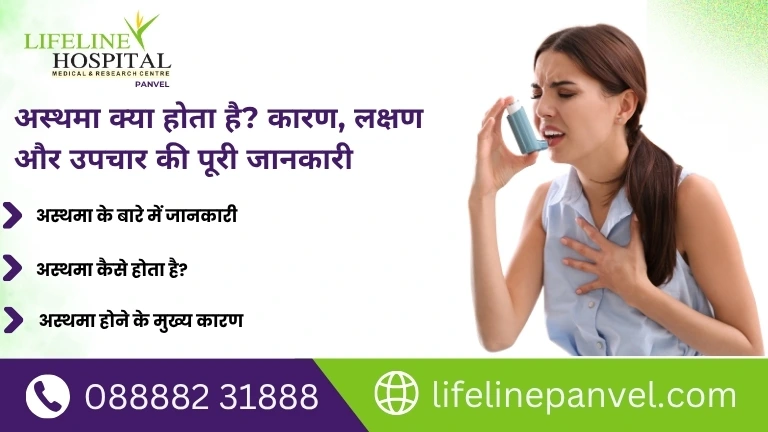
Blog अस्थमा क्या होता है? कारण, लक्षण और उपचार की पूरी जानकारी अस्थमा एक सामान्य लेकिन गंभीर श्वसन संबंधी बीमारी है, जिसमें सांस लेने में कठिनाई होने लगती है। यह समस्या तब होती है जब फेफड़ों तक हवा पहुंचाने वाली नलियों में सूजन आ जाती है। धूल, धुआं, एलर्जी और बदलता मौसम अस्थमा के लक्षणों को बढ़ा सकते हैं। सही समय पर पहचान और उपचार की मदद से अस्थमा को नियंत्रित करके स्वस्थ जीवन जिया जा सकता है। अस्थमा के बारे में जानकारी अस्थमा एक ऐसी बीमारी है जो हमारी सांस लेने की प्रक्रिया को प्रभावित करती है। इस समस्या में फेफड़ों तक हवा पहुंचाने वाली सांस की नलियों में सूजन आ जाती है, जिसके कारण सांस लेने में दिक्कत होने लगती है। कई लोगों को अस्थमा केवल मौसम बदलने पर महसूस होता है, जबकि कुछ लोगों में यह समस्या लंबे समय तक बनी रहती है। आज के समय में अस्थमा बच्चों से लेकर बुजुर्गों तक किसी को भी हो सकता है। पहले यह बीमारी बहुत कम लोगों में दिखाई देती थी, लेकिन बढ़ता प्रदूषण, धूल, धुआं और बदलती जीवनशैली के कारण अस्थमा के मरीज तेजी से बढ़ रहे हैं। सही समय पर पहचान और इलाज होने पर अस्थमा को काफी हद तक नियंत्रित किया जा सकता है और मरीज सामान्य जीवन जी सकता है। बहुत से लोग अस्थमा को केवल सामान्य सांस की तकलीफ समझकर नजरअंदाज कर देते हैं। लेकिन बार-बार खांसी आना, सांस फूलना या सीने में जकड़न महसूस होना अस्थमा का संकेत हो सकता है। इसलिए इसके लक्षणों को समझना और समय पर डॉक्टर की सलाह लेना जरूरी होता है। अस्थमा कैसे होता है? जब किसी व्यक्ति की सांस की नलियां संवेदनशील हो जाती हैं और किसी एलर्जी, धूल, धुएं या संक्रमण के संपर्क में आने पर उनमें सूजन आ जाती है, तब अस्थमा की समस्या शुरू होती है। सूजन के कारण सांस की नलियां संकरी हो जाती हैं और फेफड़ों तक हवा सही मात्रा में नहीं पहुंच पाती। अस्थमा में सांस की नलियों के आसपास की मांसपेशियां सिकुड़ने लगती हैं। इसके अलावा नलियों के अंदर बलगम भी बनने लगता है, जिससे सांस लेने में और अधिक परेशानी होती है। इसी कारण मरीज को सांस फूलना, सीटी जैसी आवाज आना और बेचैनी महसूस होने लगती है। कुछ लोगों में अस्थमा अचानक अटैक के रूप में सामने आता है। इस स्थिति में व्यक्ति को तेजी से सांस लेने में कठिनाई होती है और तुरंत इलाज की जरूरत पड़ सकती है। इसलिए अस्थमा को सामान्य समस्या समझकर अनदेखा नहीं करना चाहिए। अस्थमा होने के मुख्य कारण अस्थमा होने के पीछे कई कारण हो सकते हैं। हर व्यक्ति में इसके कारण अलग-अलग हो सकते हैं। कुछ लोगों में यह आनुवंशिक कारणों से होता है, जबकि कुछ लोगों में वातावरण और जीवनशैली इसकी वजह बनते हैं। यदि परिवार में किसी को अस्थमा, एलर्जी या सांस से जुड़ी बीमारी रही हो, तो अन्य सदस्यों में भी अस्थमा होने का खतरा बढ़ जाता है। इसके अलावा धूल मिट्टी, वाहन का धुआं, फैक्ट्री का प्रदूषण और सिगरेट का धुआं भी अस्थमा के बड़े कारण माने जाते हैं। बार-बार वायरल संक्रमण होना, कमजोर इम्यूनिटी, ज्यादा ठंडी चीजें खाना या लंबे समय तक प्रदूषित वातावरण में रहना भी इस समस्या को बढ़ा सकता है। कुछ लोगों में पालतू जानवरों के बाल, परागकण या तेज खुशबू से भी अस्थमा ट्रिगर हो सकता है। एलर्जी और वातावरण से जुड़े कारण एलर्जी अस्थमा का सबसे सामान्य कारण मानी जाती है। कई लोगों को धूल, मिट्टी, धुआं, परफ्यूम या मौसम बदलने से एलर्जी होती है, जिससे अस्थमा के लक्षण शुरू हो जाते हैं। घर में जमा धूल, पुराने गद्दे, कारपेट और नमी वाली जगहों पर मौजूद फंगस भी अस्थमा को बढ़ा सकते हैं। इसके अलावा वायु प्रदूषण और वाहन से निकलने वाला धुआं सांस की नलियों को प्रभावित करता है। ठंड के मौसम में अस्थमा की समस्या अधिक बढ़ जाती है क्योंकि ठंडी हवा सांस की नलियों को संकुचित कर देती है। कई मरीजों को बारिश के मौसम में भी सांस लेने में परेशानी महसूस होती है। कुछ लोगों में खाने की चीजों से भी एलर्जी हो सकती है। जैसे कि समुद्री भोजन, मूंगफली या कुछ दवाइयां अस्थमा अटैक का कारण बन सकती हैं। इसलिए यह जानना जरूरी होता है कि किन चीजों से एलर्जी बढ़ती है। सांस लेने में परेशानी, लगातार खांसी या सीने में जकड़न को नजरअंदाज न करें। Make Appointment सांस की नलियों में सूजन की भूमिका अस्थमा में सांस की नलियों में सूजन आना सबसे महत्वपूर्ण कारण होता है। यह सूजन धीरे-धीरे नलियों को संवेदनशील बना देती है। जब व्यक्ति किसी ट्रिगर के संपर्क में आता है, तो नलियां तुरंत प्रतिक्रिया देने लगती हैं। सूजन के कारण सांस की नलियों के अंदर की जगह कम हो जाती है। इसके साथ ही अतिरिक्त बलगम बनने लगता है, जिससे हवा का प्रवाह प्रभावित होता है। यही वजह है कि मरीज को सांस लेने में कठिनाई होती है। यदि लंबे समय तक सूजन बनी रहे और इलाज न किया जाए, तो यह समस्या गंभीर रूप ले सकती है। इसलिए अस्थमा को नियंत्रित करने के लिए सूजन को कम करना जरूरी होता है। डॉक्टर अक्सर इन्हेलर और दवाइयों की मदद से सूजन को नियंत्रित करने की सलाह देते हैं। अस्थमा के शुरुआती लक्षण अस्थमा के शुरुआती लक्षण कई बार सामान्य सर्दी या खांसी जैसे लगते हैं, इसलिए लोग इन्हें पहचान नहीं पाते। लेकिन यदि कुछ लक्षण बार-बार दिखाई दें, तो उन्हें नजरअंदाज नहीं करना चाहिए। रात के समय ज्यादा खांसी आना, थोड़ी मेहनत करने पर सांस फूलना और सीने में भारीपन महसूस होना शुरुआती संकेत हो सकते हैं। कुछ लोगों को सुबह उठते समय सांस लेने में दिक्कत होती है। सीढ़ियां चढ़ते समय जल्दी थकान होना या खेलते समय सांस फूलना भी अस्थमा का लक्षण हो सकता है। बच्चों में बार-बार खांसी और खेलते समय सांस की आवाज आना इस बीमारी की ओर संकेत कर सकता है। शुरुआती अवस्था में इलाज होने पर अस्थमा को आसानी से नियंत्रित किया जा सकता है। इसलिए लक्षणों को समझना बहुत जरूरी है। सांस लेने में परेशानी और सीने में जकड़न अस्थमा का
Septoplasty Cost in Panvel: Price, Factors & Recovery

Blog Septoplasty Cost in Panvel: Price, Factors and Recovery Details If you struggle with chronic nasal blockage, difficulty breathing, frequent sinus infections, or disturbed sleep due to a deviated septum, your ENT specialist may recommend septoplasty. One of the first questions patients ask before planning surgery is about the septoplasty cost in Panvel. The septoplasty cost can vary based on several factors, including the hospital, surgeon’s experience, severity of the deviation, and post-operative care requirements. In Panvel and Navi Mumbai, the cost generally falls within the range commonly seen across Mumbai, though the exact amount depends on individual treatment needs. Reports from healthcare providers indicate that septoplasty in Mumbai can range from approximately ₹20,000 to ₹90,000 or more, depending on the procedure and facility. What Is Septoplasty? Septoplasty is a surgical procedure performed to correct a deviated nasal septum. The nasal septum is the wall of cartilage and bone that separates the nostrils. When it becomes displaced or crooked, it can restrict airflow and lead to breathing difficulties. The purpose of septoplasty is to reposition and straighten the septum, allowing better airflow through the nasal passages. The surgery is commonly performed by ENT specialists and is considered an effective long-term solution for patients experiencing symptoms caused by a deviated septum. What Is the Average Septoplasty Cost in Panvel? The septoplasty cost in Panvel generally ranges between ₹40,000 and ₹1,00,000, depending on the type of hospital, surgical technique used, and the complexity of the condition. Some sources report costs in Mumbai starting around ₹20,000 and reaching ₹90,000 or higher for advanced procedures. Patients should remember that the final septoplasty cost may include: Surgeon’s fees Anesthesia charges Operation theatre charges Diagnostic investigations Hospital stay Medications Follow-up consultations Factors That Affect Septoplasty Cost Hospital Infrastructure The hospital chosen for treatment significantly influences the septoplasty cost. Multi-specialty hospitals with advanced surgical facilities and modern ENT departments may have different pricing structures compared to smaller healthcare centers. Surgeon’s Experience An experienced ENT surgeon often charges higher professional fees due to extensive training, surgical expertise, and successful treatment outcomes. This can impact the overall septoplasty cost. Severity of Septal Deviation A straightforward septoplasty procedure generally costs less than surgery involving severe septal deviation, nasal obstruction, or additional corrections. Diagnostic Tests Pre-operative investigations such as blood tests, nasal endoscopy, CT scans, and imaging studies are important for surgical planning and contribute to the overall septoplasty cost. Anesthesia Charges The type of anesthesia used during surgery and anesthesiologist fees can influence the final treatment expense. Post-Surgical Care Recovery medications, follow-up visits, and post-operative evaluations also form part of the total septoplasty cost. Proper aftercare is important for optimal healing. Why Do Patients Need Septoplasty? Many people seek treatment when symptoms start affecting their daily life. Septoplasty may be recommended for patients experiencing: Persistent nasal congestion Breathing difficulties Frequent sinus infections Chronic snoring Sleep-related breathing issues Recurrent nosebleeds Facial pressure and discomfort By correcting the deviated septum, septoplasty can significantly improve airflow and nasal function. Is Septoplasty Covered by Insurance? A common concern regarding septoplasty cost is insurance coverage. In many cases, health insurance policies cover septoplasty when it is performed to treat functional breathing problems rather than cosmetic concerns. Coverage varies depending on the insurer, policy terms, and medical necessity documentation provided by the treating ENT specialist. Patients should verify coverage before scheduling surgery. How Long Does Septoplasty Surgery Take? Septoplasty usually takes between 30 and 90 minutes, depending on the complexity of the case. Most patients are discharged on the same day, although some may require short-term observation. Is Septoplasty Worth the Cost? For patients suffering from chronic breathing problems, the septoplasty cost is often outweighed by the long-term benefits. Improved breathing, better sleep quality, reduced sinus infections, and enhanced quality of life are among the most commonly reported advantages after surgery. Why Choose Lifeline Hospital Panvel for Septoplasty? When evaluating septoplasty cost, patients should also consider the quality of care offered by the hospital. Choosing a facility with experienced ENT specialists, modern diagnostic equipment, advanced surgical infrastructure, and comprehensive post-operative support can contribute to better treatment outcomes. At Lifeline Hospital Panvel, patients have access to comprehensive ENT care, advanced diagnostic facilities, and personalized treatment plans designed to address nasal and sinus conditions effectively. Conclusion The septoplasty cost in Panvel depends on multiple factors, including the hospital, surgeon’s expertise, diagnostic tests, anesthesia, and post-operative care. While pricing may vary, choosing a trusted healthcare facility and experienced ENT specialist remains essential for achieving successful results. Patients experiencing breathing difficulties due to a deviated septum should seek professional evaluation to determine the most suitable treatment approach. Struggling with nasal blockage? Get the right guidance from our specialists and take the first step toward easier breathing. Make Appointment FAQs What is the average septoplasty cost in Panvel? The septoplasty cost in Panvel typically ranges between ₹40,000 and ₹1,00,000, depending on the hospital, surgeon, and complexity of the procedure. Is septoplasty covered under health insurance? Yes, many insurance providers cover septoplasty when it is medically necessary to improve breathing or treat nasal obstruction. How long does recovery take after septoplasty? Most patients resume normal activities within one to two weeks, although complete healing may take longer. Is septoplasty painful? The procedure is performed under anesthesia. Mild discomfort during recovery is normal and can usually be managed with prescribed medications. Can septoplasty permanently fix a deviated septum? Yes, septoplasty is designed to provide long-term correction of a deviated septum and improve airflow through the nose. The septoplasty cost in Panvel typically ranges between ₹40,000 and ₹1,00,000, depending on the hospital, surgeon, and complexity of the procedure. Yes, many insurance providers cover septoplasty when it is medically necessary to improve breathing or treat nasal obstruction. Most patients resume normal activities within one to two weeks, although complete healing may take longer. The procedure is performed under anesthesia. Mild discomfort during recovery is normal and can usually be managed with prescribed medications. Yes, septoplasty is designed to provide long-term correction of a deviated
पार्किन्सन आजार म्हणजे काय? कारणे, लक्षणे आणि उपचारांची संपूर्ण माहिती

Blog पार्किन्सन आजार म्हणजे काय? कारणे, लक्षणे आणि उपचारांची संपूर्ण माहिती पार्किन्सन हा मेंदू आणि मज्जासंस्थेशी संबंधित एक दीर्घकालीन आजार आहे. या आजारामुळे व्यक्तीच्या हालचालींवर परिणाम होतो आणि हळूहळू शरीराच्या नियंत्रणात बदल जाणवू लागतात. सुरुवातीला हात थरथरणे किंवा चालताना असंतुलन जाणवणे यांसारखी साधी लक्षणे दिसतात, पण वेळेवर निदान आणि योग्य उपचार न घेतल्यास हा आजार दैनंदिन जीवनावर मोठा परिणाम करू शकतो. आजच्या काळात पार्किन्सन आजाराबद्दल जागरूकता वाढत असली तरी अनेक लोक सुरुवातीची लक्षणे दुर्लक्षित करतात. त्यामुळे या आजाराची योग्य माहिती असणे खूप आवश्यक आहे. पार्किन्सन आजाराची ओळख पार्किन्सन आजार हा मुख्यतः मेंदूतील मज्जापेशींशी संबंधित विकार आहे. मेंदूमध्ये डोपामाइन नावाचे रसायन तयार करणाऱ्या पेशी हळूहळू कमी होऊ लागतात. डोपामाइन शरीराच्या हालचाली नियंत्रित ठेवण्यास मदत करते. जेव्हा त्याचे प्रमाण कमी होते, तेव्हा शरीराच्या हालचाली मंदावतात आणि विविध शारीरिक समस्या निर्माण होऊ लागतात. हा आजार बहुतेक वेळा वयस्कर व्यक्तींमध्ये दिसून येतो, परंतु काही प्रकरणांमध्ये कमी वयातही पार्किन्सनची लक्षणे आढळू शकतात. हा संसर्गजन्य आजार नसला तरी तो व्यक्तीच्या जीवनमानावर मोठा परिणाम करू शकतो. योग्य उपचार, औषधे आणि जीवनशैलीतील बदल यांच्या मदतीने या आजारासोबतही चांगले आणि सक्रिय जीवन जगता येऊ शकते. पार्किन्सन आजार कसा होतो? पार्किन्सन आजाराची सुरुवात मेंदूमधील सब्स्टॅन्शिया नायग्रा नावाच्या भागातील पेशींच्या नुकसानामुळे होते. या पेशी डोपामाइन तयार करण्याचे काम करतात. डोपामाइनचे प्रमाण कमी झाल्यावर मेंदूला शरीराच्या हालचाली व्यवस्थित नियंत्रित करता येत नाहीत. सुरुवातीला ही समस्या खूप हलकी असते आणि व्यक्तीला थकवा, हालचालींमध्ये मंदपणा किंवा हात थरथरणे यांसारखे बदल जाणवू लागतात. कालांतराने ही लक्षणे अधिक स्पष्ट होतात. काही रुग्णांमध्ये चालण्याची पद्धत बदलते, चेहऱ्यावरील भाव कमी होतात किंवा बोलण्यामध्येही बदल दिसू लागतात. हा आजार नेमका का होतो याचे एकच निश्चित कारण अद्याप स्पष्ट झालेले नाही. मात्र अनुवांशिक कारणे, वाढते वय, मेंदूतील रासायनिक बदल आणि काही पर्यावरणीय घटक यांचा त्यामध्ये संबंध असू शकतो. पार्किन्सन आजाराची प्रमुख कारणे पार्किन्सन आजारामागे अनेक कारणे असू शकतात. प्रत्येक रुग्णामध्ये कारणे वेगवेगळी असू शकतात. काही वेळा हा आजार अनुवांशिक असतो, तर काही वेळा पर्यावरणीय घटकांचा परिणाम दिसून येतो. कीटकनाशके किंवा विषारी रसायनांच्या सतत संपर्कात राहणाऱ्या लोकांमध्ये पार्किन्सनचा धोका वाढू शकतो. डोक्याला गंभीर दुखापत होणे किंवा मेंदूवर परिणाम करणारे काही आजार यांचाही संबंध या विकाराशी जोडला जातो. काही संशोधनांनुसार शरीरातील ऑक्सिडेटिव्ह स्ट्रेस आणि पेशींमध्ये होणारे बदलही या आजाराच्या विकासासाठी कारणीभूत ठरू शकतात. मात्र सर्व रुग्णांमध्ये एकच कारण लागू होत नाही. वय आणि अनुवांशिक घटकांची भूमिका वाढते वय हे पार्किन्सन आजाराचे सर्वात महत्त्वाचे कारण मानले जाते. साधारणपणे ६० वर्षांनंतर हा आजार होण्याची शक्यता अधिक वाढते. वय वाढल्यावर मेंदूमधील पेशींची कार्यक्षमता कमी होऊ लागते आणि त्यामुळे डोपामाइनचे प्रमाण घटते. काही लोकांमध्ये हा आजार कुटुंबातील इतर सदस्यांमध्येही आढळतो. म्हणजेच अनुवांशिक घटकांची भूमिकाही महत्त्वाची असू शकते. जर आई-वडील किंवा जवळच्या नातेवाईकांना पार्किन्सनचा इतिहास असेल, तर पुढील पिढीमध्ये हा धोका थोडा वाढू शकतो. तरीही प्रत्येक अनुवांशिक इतिहास असलेल्या व्यक्तीला पार्किन्सन होतोच असे नाही. योग्य जीवनशैली, नियमित तपासणी आणि आरोग्याची काळजी यामुळे धोका काही प्रमाणात कमी करता येऊ शकतो. हात थरथरणे, हालचाली मंदावणे किंवा संतुलन बिघडणे याकडे दुर्लक्ष करू नका. Make Appointment मेंदूतील रासायनिक बदल मेंदूमध्ये अनेक प्रकारची रसायने शरीराचे नियंत्रण ठेवण्याचे काम करतात. त्यापैकी डोपामाइन हे महत्त्वाचे रसायन आहे. पार्किन्सन आजारामध्ये डोपामाइन तयार करणाऱ्या पेशी नष्ट होऊ लागतात आणि त्यामुळे शरीराच्या हालचालींवर परिणाम होतो. याशिवाय इतर न्यूरोट्रान्समीटरमध्ये होणारे बदलही या आजाराच्या लक्षणांना कारणीभूत ठरतात. मेंदूमध्ये रासायनिक संतुलन बिघडल्यामुळे चालणे, बोलणे, शरीराचा तोल सांभाळणे आणि स्नायूंची हालचाल यावर परिणाम होतो. काही रुग्णांमध्ये मानसिक आरोग्यावरही परिणाम दिसून येतो. चिंता, नैराश्य, झोपेच्या समस्या आणि स्मरणशक्ती कमी होणे यांसारख्या अडचणीही पार्किन्सनमध्ये दिसू शकतात. पार्किन्सन आजाराची सुरुवातीची लक्षणे पार्किन्सनची सुरुवातीची लक्षणे अनेकदा खूप सामान्य वाटतात. त्यामुळे लोक सुरुवातीला त्याकडे दुर्लक्ष करतात. हात किंवा बोटे थरथरणे हे सर्वात सामान्य लक्षण मानले जाते. सुरुवातीला हे थरथरणे हलके असते आणि विश्रांतीच्या वेळी अधिक जाणवते. हालचाली मंद होणे, चालताना पावले लहान पडणे, शरीराचा तोल बिघडणे किंवा हातांची हालचाल कमी होणे अशी लक्षणेही दिसू शकतात. काही लोकांमध्ये आवाज हलका होणे किंवा चेहऱ्यावरील भाव कमी होणे यासारखे बदलही जाणवतात. लिहिताना अक्षरे लहान होणे, सतत थकवा जाणवणे किंवा झोपेच्या सवयी बदलणे हीदेखील सुरुवातीची लक्षणे असू शकतात. ही लक्षणे दीर्घकाळ टिकत असल्यास डॉक्टरांचा सल्ला घेणे आवश्यक असते. पार्किन्सन आजारामध्ये काही अशा लक्षणांचाही समावेश होतो ज्यांचा थेट हालचालींशी संबंध नसतो. अनेक रुग्णांना सुरुवातीला वास कमी येणे, बद्धकोष्ठतेची समस्या, झोप नीट न लागणे किंवा सतत बेचैनी जाणवणे यांसारखे बदल दिसून येतात. काही वेळा व्यक्तीच्या स्वभावामध्येही बदल जाणवू शकतात. अचानक चिडचिड वाढणे, आत्मविश्वास कमी होणे किंवा छोट्या गोष्टींवर चिंता वाटणे ही लक्षणेही पार्किन्सनशी संबंधित असू शकतात. त्यामुळे केवळ हात थरथरणे हेच या आजाराचे लक्षण आहे असे समजणे चुकीचे ठरू शकते. काही लोकांमध्ये चालण्याचा वेग कमी होतो किंवा बोलण्यामध्ये बदल होतो. आवाज आधीपेक्षा हलका किंवा अस्पष्ट वाटू लागतो. चेहऱ्यावरचे नैसर्गिक भाव कमी झाल्यामुळे व्यक्ती सतत गंभीर किंवा भावनाशून्य दिसू शकते. या बदलांकडे सुरुवातीला फारसे लक्ष दिले जात नाही, पण कालांतराने ते अधिक स्पष्ट होतात. त्यामुळे शरीरात किंवा वागण्यात दीर्घकाळ जाणवणारे बदल दुर्लक्षित न करता योग्य तपासणी करून घेणे आवश्यक असते. हालचाली आणि संतुलनाशी संबंधित समस्या पार्किन्सन आजार जसजसा वाढतो, तसतशा हालचालींशी संबंधित समस्या वाढू लागतात. चालताना शरीर पुढे झुकणे, पावले ओढत चालणे किंवा अचानक संतुलन बिघडणे यामुळे पडण्याचा धोका वाढतो. काही रुग्णांना बसलेल्या जागेवरून उठताना अडचण येते. हात-पायांची हालचाल मंदावल्यामुळे दैनंदिन कामे करण्यासाठी जास्त वेळ लागू लागतो. कपडे घालणे, जेवणे किंवा बटणे लावणे यांसारखी साधी कामेही कठीण वाटू शकतात. शरीराचे संतुलन बिघडल्यामुळे आत्मविश्वास कमी होतो आणि काही लोक सामाजिक कार्यक्रमांपासून दूर राहू लागतात. त्यामुळे या आजारामध्ये शारीरिक उपचार आणि नियमित व्यायाम खूप महत्त्वाचा मानला जातो. पार्किन्सन आजारामध्ये शरीराच्या हालचालींवर परिणाम झाल्यामुळे रुग्णांच्या दैनंदिन जीवनात अनेक बदल होतात. काही लोकांना चालताना अचानक पाय जड झाल्यासारखे वाटते किंवा चालणे काही क्षणांसाठी थांबल्यासारखे होते. याला “फ्रीझिंग ऑफ गेट” असे म्हटले जाते. विशेषतः वळताना, अरुंद जागेतून चालताना किंवा जिने चढताना ही समस्या अधिक जाणवू शकते. त्यामुळे पडण्याचा धोका वाढतो आणि रुग्णांमध्ये भीती निर्माण होऊ शकते. हळूहळू शरीराची समन्वय क्षमता कमी होत जाते. त्यामुळे एका वेळी अनेक हालचाली करणे कठीण वाटू लागते. उदाहरणार्थ, चालताना बोलणे किंवा हातात वस्तू घेऊन संतुलन राखणे अवघड जाऊ शकते. अशा परिस्थितीत नियमित फिजिओथेरपी, संतुलन सुधारण्यासाठीचे व्यायाम आणि घरामध्ये सुरक्षित वातावरण ठेवणे खूप महत्त्वाचे ठरते. शरीरातील थरथर आणि स्नायू कडक होणे पार्किन्सनचे सर्वात ओळखण्याजोगे लक्षण म्हणजे शरीरातील थरथर. सुरुवातीला हाताच्या बोटांमध्ये थरथर जाणवते, पण नंतर ती हात, पाय किंवा जबड्यापर्यंतही पोहोचू शकते. स्नायू कडक होणे हीदेखील मोठी समस्या असते. यामुळे शरीरातील हालचाली कमी होतात आणि वेदना जाणवू शकतात. काही लोकांना चालताना किंवा वळताना
Gastroenterology Symptoms

Blog Gastroenterology Symptoms: Signs Your Digestive System May Need Attention Digestive health plays a major role in overall well-being. Many people experience stomach discomfort, acidity, bloating, or irregular bowel habits from time to time. While some digestive issues may be temporary, persistent gastroenterology symptoms can indicate an underlying condition that requires medical attention. Ignoring these warning signs may lead to complications and affect your daily life. If you are experiencing ongoing digestive problems in Navi Mumbai, understanding the common symptoms can help you decide when to seek professional care. What Are Gastroenterology Symptoms? Gastroenterology symptoms refer to signs and discomfort associated with the digestive system, including the esophagus, stomach, intestines, liver, pancreas, and gallbladder. These symptoms can range from mild irritation to severe conditions that affect digestion and nutrient absorption. Many digestive disorders start with subtle symptoms that gradually become more noticeable. Paying attention to these early signs can help prevent further complications. Common Gastroenterology Symptoms You Should Watch For Persistent Abdominal Pain Occasional stomach discomfort is common, especially after eating heavy meals. However, recurring or persistent abdominal pain should not be ignored. Pain may occur due to conditions such as: Gastritis Peptic ulcers Gallstones Irritable Bowel Syndrome (IBS) Inflammatory bowel disease If abdominal pain continues for several days or becomes severe, medical evaluation is recommended. Frequent Acidity and Heartburn One of the most common gastroenterology symptoms is frequent acidity. Heartburn occurs when stomach acid moves back into the food pipe, causing a burning sensation in the chest. Symptoms may include: Burning feeling after meals Sour taste in the mouth Difficulty swallowing Chest discomfort Frequent heartburn may indicate gastroesophageal reflux disease (GERD), which often requires treatment and lifestyle modifications. Bloating and Excessive Gas Many people experience bloating after certain meals. However, persistent bloating can indicate digestive disorders. Common causes include: Food intolerances Constipation IBS Digestive infections Gut microbiome imbalance If bloating regularly affects your comfort and daily activities, it should be assessed by a gastroenterologist. Changes in Bowel Habits Changes in bowel movements are important gastroenterology symptoms that should not be overlooked. These changes may include: Chronic constipation Frequent diarrhea Alternating constipation and diarrhea Incomplete bowel emptying Such symptoms can sometimes indicate conditions affecting the intestines and digestive tract. When Should You Be Concerned About Gastroenterology Symptoms? Many digestive complaints improve on their own. However, some symptoms require prompt medical attention. Seek professional care if you experience: Persistent abdominal pain Blood in stool Unexplained weight loss Continuous vomiting Difficulty swallowing Severe acid reflux Chronic diarrhea Long-term constipation These gastroenterology symptoms may indicate more serious digestive disorders that require proper diagnosis and treatment. Could Digestive Symptoms Be Linked to Stress? Yes, stress can significantly impact digestive health. The brain and digestive system are closely connected through the gut-brain axis. High levels of stress may contribute to: Acid reflux IBS symptoms Stomach cramps Nausea Loss of appetite While stress can trigger digestive discomfort, persistent gastroenterology symptoms should still be medically evaluated to rule out underlying conditions. Lifestyle Factors That Can Trigger Gastroenterology Symptoms Several lifestyle habits may increase the risk of digestive problems. Common triggers include: Excessive spicy foods Smoking Alcohol consumption Lack of physical activity Irregular eating schedules Inadequate water intake High levels of stress Making healthy lifestyle changes can often reduce the frequency of gastroenterology symptoms and improve digestive function. How Are Gastroenterology Symptoms Diagnosed? When evaluating digestive complaints, doctors typically begin with a detailed medical history and physical examination. Depending on the symptoms, diagnostic tests may include: Blood tests Stool analysis Ultrasound imaging Endoscopy Colonoscopy CT scans These investigations help identify the root cause of gastroenterology symptoms and guide appropriate treatment. Treatment Options for Gastroenterology Symptoms Treatment depends on the underlying condition causing the symptoms. Possible approaches include: Dietary modifications Medications Lifestyle changes Probiotic therapy Endoscopic procedures Surgical treatment when necessary Early diagnosis often leads to better outcomes and can prevent complications associated with digestive diseases. Why Choose Lifeline Hospital? Choosing Lifeline Hospital means receiving comprehensive digestive care with a patient-focused approach. Our experienced gastroenterology specialists provide accurate diagnosis, advanced treatment options, and personalized care for various digestive disorders. With modern medical technology, quality healthcare services, and a commitment to patient comfort, Lifeline Hospital helps you manage gastroenterology symptoms effectively and improve your overall digestive health. Conclusion Digestive discomfort should never be considered normal when it becomes frequent or persistent. Common gastroenterology symptoms such as abdominal pain, bloating, acidity, constipation, diarrhea, and unexplained weight loss may indicate underlying digestive conditions that require attention. Residents of Navi Mumbai experiencing ongoing digestive issues should consider timely medical evaluation to identify the cause and receive appropriate treatment. Taking action early can protect your digestive health and improve your overall well-being. Find relief from digestive discomfort—connect with our specialists and get the care your gut needs. Make Appointment FAQs What are the most common gastroenterology symptoms? Common gastroenterology symptoms include abdominal pain, bloating, acidity, heartburn, constipation, diarrhea, nausea, and changes in bowel habits. When should I see a doctor for gastroenterology symptoms? You should seek medical care if symptoms persist for several weeks, become severe, or include warning signs such as blood in stool, unexplained weight loss, or difficulty swallowing. Can stress cause digestive problems? Yes. Stress can contribute to acid reflux, bloating, stomach cramps, IBS symptoms, and other digestive issues. Is frequent acidity a serious problem? Occasional acidity may not be serious, but recurring heartburn can indicate GERD or other digestive disorders that require treatment. Can gastroenterology symptoms be prevented? Many digestive issues can be reduced through a balanced diet, adequate hydration, regular exercise, stress management, and avoiding smoking and excessive alcohol consumption. Common gastroenterology symptoms include abdominal pain, bloating, acidity, heartburn, constipation, diarrhea, nausea, and changes in bowel habits. You should seek medical care if symptoms persist for several weeks, become severe, or include warning signs such as blood in stool, unexplained weight loss, or difficulty swallowing. Yes. Stress can contribute to acid reflux, bloating, stomach cramps, IBS symptoms, and other digestive issues. Occasional acidity may not be serious, but
Bariatric Surgery Cost in Panvel

Blog Bariatric Surgery Cost: What Determines the Price and Is It Worth It? Obesity is more than a cosmetic concern. It can increase the risk of diabetes, high blood pressure, sleep apnea, joint problems, heart disease, and several other health conditions. For individuals who have struggled to lose weight through diet and exercise alone, bariatric surgery has emerged as an effective treatment option. One of the most common questions patients ask before considering the procedure is about the bariatric surgery cost. The answer is not always straightforward because several factors influence the overall expense. Understanding these factors can help patients make informed decisions about their treatment and long-term health goals. In this blog, we will discuss what affects the bariatric surgery cost, the different types of procedures available, and whether the investment is worthwhile from a health perspective. What Is Bariatric Surgery? Bariatric surgery refers to a group of weight-loss procedures designed to help individuals with obesity achieve significant and sustainable weight reduction. These surgeries work by reducing stomach size, limiting food intake, altering digestion, or combining both approaches. The primary goal is not just weight loss but also improvement in obesity-related health conditions. Many patients experience better control of diabetes, reduced blood pressure, improved mobility, and enhanced quality of life after surgery. Since bariatric procedures involve advanced surgical techniques, specialized equipment, and comprehensive post-operative care, the bariatric surgery cost can vary from one patient to another. Who May Need Bariatric Surgery? Bariatric surgery is generally recommended for individuals who: Have a Body Mass Index (BMI) of 40 or higher. Have a BMI of 35 or higher along with obesity-related health conditions. Have been unable to achieve long-term weight loss through conventional methods. Experience health complications linked to excessive weight. Before recommending surgery, healthcare providers perform detailed evaluations to determine whether the patient is a suitable candidate. What Factors Affect Bariatric Surgery Cost? Several elements contribute to the overall bariatric surgery cost. Understanding these components can help patients plan financially and avoid unexpected expenses. Type of Bariatric Procedure Different surgical techniques come with different pricing structures. Common procedures include: Sleeve Gastrectomy Gastric Bypass Surgery Mini Gastric Bypass Adjustable Gastric Banding The complexity of the procedure directly influences the bariatric surgery cost, as some surgeries require longer operating times and more advanced surgical expertise. Hospital Infrastructure The hospital where the procedure is performed plays a significant role in determining the overall expense. Hospitals equipped with advanced operation theatres, intensive care facilities, and specialized bariatric care teams may have different pricing compared to smaller facilities. Surgeon’s Experience An experienced bariatric surgeon brings specialized skills and expertise to the procedure. The surgeon’s qualifications, training, and success rates can influence the overall bariatric surgery cost. Pre-Surgical Evaluation Before surgery, patients undergo multiple assessments that may include: Blood investigations Cardiac evaluation Pulmonary assessment Nutritional consultation Psychological evaluation These tests are essential for ensuring patient safety and contribute to the final bariatric surgery cost. Hospital Stay The duration of hospitalization can vary depending on the patient’s condition, recovery speed, and type of procedure performed. Longer stays may increase the overall treatment expense. Post-Surgery Follow-Up Care Weight-loss surgery requires long-term monitoring. Follow-up appointments, nutritional guidance, supplements, and lifestyle counselling are crucial for achieving optimal outcomes. These ongoing care requirements should also be considered when evaluating the bariatric surgery cost. Does Health Insurance Cover Bariatric Surgery? Insurance coverage for bariatric surgery depends on the specific policy and eligibility criteria. Some insurance providers may offer coverage if the surgery is considered medically necessary due to obesity-related health conditions. Patients should verify: Policy inclusions and exclusions Waiting periods Eligibility requirements Pre-authorization procedures Understanding insurance benefits can significantly reduce out-of-pocket expenses related to bariatric surgery cost. Why Does Bariatric Surgery Cost Differ Between Patients? No two patients have identical medical conditions. Factors such as age, BMI, existing health conditions, surgical complexity, and recovery requirements can influence treatment planning. For example, a patient with severe obesity and multiple medical conditions may require additional investigations and monitoring compared to someone with fewer health concerns. This individualized approach naturally affects the final bariatric surgery cost. Is Bariatric Surgery Worth the Cost? Many patients view the bariatric surgery cost as a long-term investment in their health. The benefits often extend beyond weight loss and may include: Better blood sugar control Reduced dependence on medications Improved cardiovascular health Better sleep quality Increased mobility Reduced joint pain Enhanced confidence and quality of life When comparing the ongoing expenses associated with obesity-related illnesses, some patients find that bariatric surgery offers significant long-term value. What Should Patients Ask Before Planning Surgery? Before proceeding with treatment, patients should have a detailed discussion with their healthcare provider regarding: Which bariatric procedure is most suitable? What is included in the treatment package? Are investigations included in the quoted price? What follow-up services are provided? Are there any additional charges that may arise? Clear communication helps patients gain a realistic understanding of the expected bariatric surgery cost and treatment journey. Recovery After Bariatric Surgery Recovery timelines vary based on the procedure and individual patient factors. Most patients can gradually return to normal activities within a few weeks, although lifestyle modifications remain essential. Success after surgery depends on: Following dietary recommendations Maintaining regular physical activity Attending follow-up appointments Taking prescribed supplements Patients who actively participate in their recovery plan often achieve the best long-term outcomes. Why Choose Lifeline Hospital Panvel for Bariatric Surgery? Choosing the right hospital is just as important as selecting the right bariatric procedure. At Lifeline Hospital Panvel, patients receive comprehensive care from experienced bariatric surgeons, supported by a multidisciplinary team that includes physicians, anesthesiologists, dietitians, and physiotherapists. The hospital offers advanced laparoscopic surgical techniques, modern operation theatres, thorough pre-operative evaluations, personalized treatment plans, and structured post-operative follow-up to support long-term weight management. From the initial consultation to recovery and lifestyle guidance, Lifeline Hospital Panvel focuses on patient safety, individualized care, and sustainable health outcomes, helping patients achieve lasting results with confidence. Conclusion The bariatric surgery cost depends on multiple
Arthritis Kya Hai? – आर्थराइटिस क्या है?

Blog Arthritis Kya Hai? – आर्थराइटिस क्या है? आर्थराइटिस एक ऐसी समस्या है जिसमें शरीर के जोड़ों में दर्द, सूजन और अकड़न महसूस होती है। यह बीमारी धीरे-धीरे बढ़ती है और समय के साथ व्यक्ति की रोजमर्रा की गतिविधियों को प्रभावित कर सकती है। सामान्य रूप से लोग इसे बढ़ती उम्र की समस्या मानते हैं, लेकिन आजकल कम उम्र के लोगों में भी आर्थराइटिस के मामले देखने को मिल रहे हैं। घुटने, हाथ, कंधे, कमर और पैरों के जोड़ इस बीमारी से सबसे ज्यादा प्रभावित होते हैं। कई लोगों को शुरुआत में हल्का दर्द या सुबह उठते समय अकड़न महसूस होती है, लेकिन वे इसे सामान्य थकान समझकर नजरअंदाज कर देते हैं। यही लापरवाही आगे चलकर बड़ी समस्या बन सकती है। समय रहते सही पहचान और इलाज से आर्थराइटिस को काफी हद तक नियंत्रित किया जा सकता है। Arthritis का मतलब क्या होता है? Arthritis का मतलब होता है “जोड़ों में सूजन”। यह एक ऐसी स्थिति है जिसमें शरीर के एक या अधिक जोड़ों में दर्द, सूजन, जकड़न और चलने-फिरने में परेशानी होने लगती है। यह समस्या धीरे-धीरे बढ़ सकती है और गंभीर स्थिति में व्यक्ति के लिए सामान्य काम करना भी कठिन हो सकता है। आर्थराइटिस कोई एक बीमारी नहीं है, बल्कि यह कई प्रकार की जोड़ों से जुड़ी समस्याओं का समूह है। हर प्रकार के आर्थराइटिस के कारण और लक्षण अलग हो सकते हैं। कुछ प्रकार उम्र बढ़ने से होते हैं, जबकि कुछ शरीर की प्रतिरक्षा प्रणाली में गड़बड़ी के कारण भी हो सकते हैं। आर्थराइटिस कितने प्रकार का होता है? आर्थराइटिस के कई प्रकार होते हैं, लेकिन कुछ प्रकार सबसे अधिक देखने को मिलते हैं। सही प्रकार की पहचान करना बहुत जरूरी होता है ताकि सही इलाज शुरू किया जा सके। Osteoarthritis Osteoarthritis सबसे सामान्य प्रकार का आर्थराइटिस माना जाता है। यह अधिकतर उम्र बढ़ने के साथ होता है। इसमें जोड़ों के बीच मौजूद कार्टिलेज धीरे-धीरे घिसने लगती है। कार्टिलेज वह मुलायम परत होती है जो हड्डियों को आपस में रगड़ने से बचाती है। जब यह घिस जाती है, तब हड्डियों में दर्द और सूजन होने लगती है। यह समस्या अधिकतर घुटनों, कमर, हाथों और गर्दन में दिखाई देती है। लंबे समय तक खड़े रहने, अधिक वजन और जोड़ों पर लगातार दबाव पड़ने से इसका खतरा बढ़ जाता है। Rheumatoid Arthritis Rheumatoid Arthritis एक ऑटोइम्यून बीमारी है। इसमें शरीर की प्रतिरक्षा प्रणाली गलती से अपने ही जोड़ों पर हमला करने लगती है। इससे जोड़ों में सूजन, दर्द और धीरे-धीरे नुकसान होने लगता है। यह समस्या महिलाओं में अधिक देखने को मिलती है। इसमें दोनों हाथों या दोनों पैरों के जोड़ एक साथ प्रभावित हो सकते हैं। सुबह उठते समय लंबे समय तक अकड़न रहना इसका सामान्य लक्षण माना जाता है। चलने-फिरने में हो रही परेशानी? आर्थराइटिस के समय पर इलाज से जोड़ों को रखें स्वस्थ और मजबूत। Make Appointment Gout Arthritis Gout Arthritis शरीर में यूरिक एसिड बढ़ने के कारण होता है। जब शरीर में यूरिक एसिड की मात्रा ज्यादा हो जाती है, तब उसके छोटे-छोटे क्रिस्टल जोड़ों में जमा होने लगते हैं। इससे अचानक तेज दर्द और सूजन हो सकती है। यह समस्या अक्सर पैर के अंगूठे में शुरू होती है। कई बार दर्द इतना ज्यादा होता है कि व्यक्ति चल भी नहीं पाता। गलत खानपान, शराब का सेवन और पानी कम पीना इसके खतरे को बढ़ा सकते हैं। आर्थराइटिस होने के मुख्य कारण आर्थराइटिस होने के पीछे कई कारण हो सकते हैं। कुछ कारण जीवनशैली से जुड़े होते हैं, जबकि कुछ शारीरिक बदलावों या बीमारियों के कारण होते हैं। बढ़ती उम्र उम्र बढ़ने के साथ शरीर के जोड़ कमजोर होने लगते हैं। जोड़ों की कार्टिलेज धीरे-धीरे घिसती जाती है, जिससे दर्द और अकड़न बढ़ सकती है। यही कारण है कि बुजुर्गों में आर्थराइटिस अधिक देखने को मिलता है। जोड़ों पर अधिक दबाव लगातार भारी वजन उठाना, लंबे समय तक खड़े रहना या मोटापे के कारण जोड़ों पर अतिरिक्त दबाव पड़ता है। इससे घुटनों और कमर के जोड़ जल्दी खराब होने लगते हैं। खासतौर पर जिन लोगों का वजन ज्यादा होता है, उनमें घुटनों का दर्द और Osteoarthritis होने का खतरा अधिक रहता है। चोट या संक्रमण पुरानी चोट, फ्रैक्चर या किसी संक्रमण के कारण भी जोड़ों में सूजन और दर्द की समस्या हो सकती है। कई बार खेल के दौरान लगी चोटें आगे चलकर आर्थराइटिस का कारण बन जाती हैं। कुछ बैक्टीरियल या वायरल संक्रमण भी जोड़ों को प्रभावित कर सकते हैं और लंबे समय तक दर्द की समस्या पैदा कर सकते हैं। आर्थराइटिस के सामान्य लक्षण आर्थराइटिस के लक्षण धीरे-धीरे शुरू हो सकते हैं। शुरुआत में लोग इन्हें सामान्य दर्द समझ लेते हैं, लेकिन समय के साथ परेशानी बढ़ने लगती है। सबसे सामान्य लक्षण जोड़ों में दर्द है। यह दर्द चलने, सीढ़ियां चढ़ने या लंबे समय तक बैठने के बाद बढ़ सकता है। कई लोगों को सुबह उठते समय जोड़ों में जकड़न महसूस होती है। इसके अलावा सूजन, लालपन और जोड़ हिलाने में परेशानी भी हो सकती है। कुछ लोगों को जोड़ों से आवाज आने की समस्या भी होती है। गंभीर स्थिति में हाथ-पैर मोड़ना या सामान्य काम करना मुश्किल हो सकता है। यदि लंबे समय तक लगातार दर्द बना रहे, तो इसे नजरअंदाज नहीं करना चाहिए। आर्थराइटिस से शरीर पर क्या असर पड़ता है? आर्थराइटिस केवल जोड़ों तक सीमित नहीं रहता, बल्कि यह व्यक्ति की पूरी जीवनशैली को प्रभावित कर सकता है। लगातार दर्द और सूजन के कारण चलना-फिरना कठिन हो सकता है। घुटनों में दर्द होने पर सीढ़ियां चढ़ना मुश्किल हो जाता है। हाथों में आर्थराइटिस होने पर चीजें पकड़ने में परेशानी हो सकती है। कुछ लोगों को लंबे समय तक बैठने या खड़े रहने में भी तकलीफ होती है। इसके अलावा लगातार दर्द के कारण मानसिक तनाव, चिड़चिड़ापन और नींद की समस्या भी हो सकती है। कई बार व्यक्ति अपनी रोजमर्रा की गतिविधियों के लिए दूसरों पर निर्भर होने लगता है। Arthritis की पहचान कैसे की जाती है? आर्थराइटिस की पहचान करने के लिए डॉक्टर सबसे पहले मरीज के लक्षणों और मेडिकल हिस्ट्री के बारे में जानकारी लेते हैं। इसके बाद जोड़ों की जांच की जाती है। कुछ मामलों में X-ray करवाया जाता है ताकि जोड़ों की स्थिति देखी जा
Alzheimer’s Disease Meaning in Marathi – अल्झायमर रोग म्हणजे काय?

Blog Alzheimer’s Disease Meaning in Marathi – अल्झायमर रोग म्हणजे काय? अल्झायमर हा मेंदूशी संबंधित गंभीर आजार मानला जातो. या आजारामध्ये व्यक्तीची स्मरणशक्ती हळूहळू कमी होऊ लागते आणि विचार करण्याची क्षमता देखील कमजोर होत जाते. सुरुवातीला हा त्रास साध्या विस्मरणासारखा वाटू शकतो, पण वेळ जसजसा पुढे जातो तसतशी व्यक्तीला दैनंदिन कामे करणे कठीण होऊ लागते. अनेक वेळा रुग्णाला स्वतःच्या जवळच्या व्यक्तींची नावे, घराचा पत्ता किंवा नुकत्याच घडलेल्या गोष्टी आठवत नाहीत. त्यामुळे हा आजार केवळ रुग्णालाच नाही तर संपूर्ण कुटुंबालाही मानसिक आणि भावनिक त्रास देणारा ठरतो. अल्झायमर हा मुख्यतः वृद्धांमध्ये अधिक प्रमाणात दिसून येतो. मात्र काही वेळा कमी वयातही या आजाराची सुरुवात होऊ शकते. आजच्या काळात वाढती मानसिक ताणतणावाची जीवनशैली, मेंदूवरील परिणाम करणारे बदल आणि आनुवंशिक कारणे यामुळे अल्झायमरबद्दल जागरूकता असणे खूप महत्त्वाचे झाले आहे. Alzheimer’s Disease चा मराठी अर्थ काय? Alzheimer’s Disease ला मराठीत “अल्झायमर रोग” असे म्हणतात. हा मेंदूतील पेशींवर परिणाम करणारा एक न्यूरोलॉजिकल आजार आहे. या आजारामुळे व्यक्तीची स्मरणशक्ती, विचार करण्याची क्षमता, निर्णय घेण्याची ताकद आणि दैनंदिन गोष्टी समजून घेण्याची क्षमता कमी होत जाते. हा आजार हळूहळू वाढणारा असल्यामुळे सुरुवातीला त्याची लक्षणे सहज लक्षात येत नाहीत. काही लोक साध्या विस्मरणाकडे दुर्लक्ष करतात, पण वारंवार गोष्टी विसरणे किंवा एकाच प्रश्नांची पुनरावृत्ती करणे ही अल्झायमरची सुरुवात असू शकते. म्हणूनच वेळेत योग्य निदान होणे खूप आवश्यक असते. अल्झायमर रोग म्हणजे काय? अल्झायमर हा डिमेन्शियाचा सर्वात सामान्य प्रकार मानला जातो. या आजारामध्ये मेंदूतील पेशी हळूहळू नष्ट होऊ लागतात. त्यामुळे मेंदूचे कार्य व्यवस्थित होत नाही आणि व्यक्तीची स्मरणशक्ती कमी होत जाते. सुरुवातीला लहान गोष्टी विसरणे, संभाषण विसरणे किंवा वस्तू कुठे ठेवल्या हे आठवू न येणे अशी लक्षणे दिसतात. पुढे जाऊन हा त्रास इतका वाढू शकतो की रुग्णाला स्वतःच्या कुटुंबातील लोक ओळखणेही कठीण होते. काही रुग्णांमध्ये स्वभावात अचानक बदल होणे, चिडचिड वाढणे किंवा संभ्रम निर्माण होणे असेही दिसून येते. हा आजार पूर्णपणे बरा होणारा नसला तरी योग्य उपचार आणि काळजीमुळे रुग्णाची स्थिती काही प्रमाणात नियंत्रणात ठेवता येते. अल्झायमर रोगाची मुख्य कारणे अल्झायमर होण्यामागे अनेक कारणे असू शकतात. काही कारणे नैसर्गिक असतात तर काही जीवनशैलीशी संबंधित असतात. मेंदूतील बदल आणि वाढते वय ही यामागील प्रमुख कारणे मानली जातात. वाढते वय वाढत्या वयानुसार शरीरातील अनेक अवयवांची कार्यक्षमता कमी होऊ लागते आणि त्याचा परिणाम मेंदूवरही होतो. ६५ वर्षांनंतर अल्झायमरचा धोका अधिक वाढतो असे मानले जाते. वय वाढल्यावर मेंदूतील पेशींमध्ये बदल होतात आणि त्यांची कार्यक्षमता कमी होऊ लागते. प्रत्येक वृद्ध व्यक्तीला अल्झायमर होतो असे नाही, पण वृद्धापकाळ हा या आजाराचा महत्त्वाचा धोका मानला जातो. त्यामुळे वृद्ध व्यक्तींमध्ये स्मरणशक्तीशी संबंधित बदल दिसल्यास त्याकडे दुर्लक्ष करू नये. मेंदूतील बदल अल्झायमरमध्ये मेंदूतील काही प्रथिने असामान्य पद्धतीने जमा होऊ लागतात. त्यामुळे मेंदूतील पेशींमध्ये योग्य संपर्क राहत नाही आणि पेशी नष्ट होऊ लागतात. मेंदूच्या स्मरणशक्ती नियंत्रित करणाऱ्या भागावर याचा सर्वाधिक परिणाम होतो. हळूहळू मेंदूचे कार्य मंदावू लागते आणि व्यक्तीला नवीन गोष्टी लक्षात ठेवणे कठीण जाते. या बदलांचा परिणाम विचारशक्ती, निर्णय क्षमता आणि वागणुकीवरही होतो. Alzheimer’s Disease Meaning in Marathi – अल्झायमर रोग म्हणजे काय? जाणून घ्या लक्षणे, कारणे आणि उपचार. Make Appointment आनुवंशिक कारणे काही लोकांमध्ये अल्झायमरचा धोका आनुवंशिक कारणांमुळे वाढू शकतो. कुटुंबात आधी कोणाला हा आजार असल्यास पुढील पिढीतही त्याची शक्यता वाढते. मात्र आनुवंशिक कारणे असली तरी प्रत्येक व्यक्तीला हा आजार होईलच असे नाही. जीवनशैली, आहार, मानसिक आरोग्य आणि शारीरिक सक्रियता यांचाही अल्झायमरच्या धोक्यावर प्रभाव पडतो. त्यामुळे आनुवंशिक कारणे असली तरी योग्य काळजी घेणे महत्त्वाचे असते. अल्झायमर रोगाची सुरुवातीची लक्षणे अल्झायमरची सुरुवात साध्या विस्मरणापासून होऊ शकते. सुरुवातीला व्यक्ती नुकत्याच घडलेल्या गोष्टी विसरू लागते. एखाद्या व्यक्तीचे नाव आठवत नाही, वस्तू कुठे ठेवली हे विसरले जाते किंवा एकच प्रश्न वारंवार विचारला जातो. काही लोकांना संभाषणात योग्य शब्द आठवत नाहीत. काही वेळा वेळ, ठिकाण किंवा दिवस याबद्दल गोंधळ होऊ शकतो. स्वभावात बदल होणे, एकटे राहण्याची इच्छा होणे किंवा चिडचिड वाढणे अशी लक्षणेही दिसू शकतात. ही लक्षणे सतत दिसत असल्यास डॉक्टरांचा सल्ला घेणे आवश्यक असते. सुरुवातीच्या टप्प्यात निदान झाल्यास रुग्णाची स्थिती काही प्रमाणात नियंत्रणात ठेवणे शक्य होते. अल्झायमरमुळे होणारे परिणाम अल्झायमरचा परिणाम केवळ स्मरणशक्तीवर होत नाही तर व्यक्तीच्या संपूर्ण आयुष्यावर होतो. हळूहळू रुग्णाची दैनंदिन कामे करण्याची क्षमता कमी होऊ लागते. स्वतःचे कपडे घालणे, अंघोळ करणे किंवा वेळेवर औषधे घेणे यासाठीही मदतीची गरज पडू शकते. या आजारामुळे रुग्ण मानसिकदृष्ट्या अस्वस्थ होऊ शकतो. काही वेळा त्यांना भीती, संभ्रम किंवा नैराश्य जाणवू शकते. कुटुंबातील सदस्यांनाही रुग्णाची सतत काळजी घ्यावी लागल्याने मानसिक ताण येऊ शकतो. अल्झायमरचा परिणाम फक्त मेंदूपुरता मर्यादित राहत नाही, तर तो रुग्णाच्या भावनिक आणि सामाजिक आयुष्यावरही खोल परिणाम करतो. अनेक वेळा रुग्णाला स्वतःमध्ये होत असलेले बदल जाणवू लागतात. पूर्वी सहज करता येणाऱ्या गोष्टी विसरल्या जाऊ लागल्यामुळे त्यांचा आत्मविश्वास कमी होऊ शकतो. काही लोकांना लोकांसमोर बोलण्याची भीती वाटू लागते, कारण संभाषण करताना शब्द आठवत नाहीत किंवा विषय विसरला जातो. त्यामुळे अनेक रुग्ण हळूहळू सामाजिक कार्यक्रमांपासून दूर राहू लागतात. या आजाराचा परिणाम कुटुंबातील सदस्यांवरही मोठ्या प्रमाणात होतो. रुग्णाची सतत काळजी घेणे, त्यांची सुरक्षितता पाहणे आणि त्यांच्या बदलत्या स्वभावाशी जुळवून घेणे हे कुटुंबासाठी मानसिकदृष्ट्या थकवणारे ठरू शकते. काही वेळा रुग्ण रात्री अचानक घराबाहेर जाण्याचा प्रयत्न करू शकतात किंवा स्वतःचे घरच ओळखू शकत नाहीत. त्यामुळे कुटुंबीयांना सतत जागरूक राहावे लागते. अशा परिस्थितीत भावनिक आधार आणि संयम खूप महत्त्वाचा ठरतो. अल्झायमर वाढत गेल्यावर रुग्णाची भाषेवरची पकडही कमी होऊ शकते. त्यांना साधे शब्द आठवत नाहीत किंवा वाक्य पूर्ण करणे कठीण जाते. काही वेळा रुग्ण बोलताना चुकीचे शब्द वापरतात किंवा समोरच्या व्यक्तीचे बोलणे समजून घेण्यात अडचण निर्माण होते. त्यामुळे संवाद कमी होऊ लागतो आणि रुग्ण अधिक एकटे पडू शकतात. काही रुग्णांमध्ये अल्झायमरमुळे वागण्यात अचानक बदल दिसून येतात. शांत स्वभावाची व्यक्ती चिडचिडी होऊ शकते किंवा काही वेळा संशयी स्वभाव निर्माण होऊ शकतो. रुग्णांना आजूबाजूच्या लोकांवर विनाकारण संशय येणे, वस्तू चोरीला गेल्याचा गैरसमज होणे किंवा भीती वाटणे अशी लक्षणेही दिसू शकतात. त्यामुळे या आजाराकडे केवळ विस्मरण म्हणून न पाहता, तो संपूर्ण मानसिक आरोग्यावर परिणाम करणारा आजार आहे हे समजून घेणे आवश्यक असते. स्मरणशक्ती कमी होणे अल्झायमरचे सर्वात प्रमुख लक्षण म्हणजे स्मरणशक्ती कमी होणे. सुरुवातीला लहान गोष्टी विसरण्यापासून हा त्रास सुरू होतो. पुढे जाऊन व्यक्तीला महत्त्वाच्या गोष्टी आठवेनाशा होतात. रुग्णाला स्वतःचे जुने अनुभव आठवू शकतात, पण नुकत्याच घडलेल्या घटना विसरल्या जातात. काही वेळा एकाच गोष्टीची वारंवार पुनरावृत्ती केली जाते. यामुळे दैनंदिन जीवनावर मोठा परिणाम होतो. विचार करण्याची क्षमता कमी होणे अल्झायमरमुळे विचार करण्याची आणि निर्णय घेण्याची क्षमता कमी होऊ लागते. साधे निर्णय घेणेही कठीण वाटू शकते. काही रुग्णांना पैशांचे व्यवहार समजत नाहीत किंवा रोजची कामे कशी करायची याबद्दल गोंधळ निर्माण होतो. यामुळे आत्मविश्वास कमी होऊ शकतो.