Tinnitus Ka Ilaj – कानों में आवाज आने का इलाज

Blog Tinnitus Ka Ilaj – कानों में आवाज आने का इलाज आजकल कई लोग ऐसी समस्या से परेशान रहते हैं जिसमें उन्हें बिना किसी बाहरी आवाज के कानों में सीटी, घंटी, भनभनाहट या फुसफुसाहट जैसी आवाजें सुनाई देती हैं। कई बार यह समस्या कुछ समय के लिए होती है, लेकिन कुछ लोगों में यह लंबे समय तक बनी रह सकती है। इस स्थिति को मेडिकल भाषा में “Tinnitus” कहा जाता है। शुरुआत में लोग इसे सामान्य समझकर नजरअंदाज कर देते हैं, लेकिन धीरे-धीरे यह समस्या नींद, मानसिक शांति और रोजमर्रा की जिंदगी पर असर डालने लगती है। Tinnitus कोई बीमारी नहीं बल्कि एक ऐसी स्थिति है जो कानों या शरीर में मौजूद किसी दूसरी समस्या का संकेत हो सकती है। कई मामलों में समय पर इलाज और सही देखभाल से इसके लक्षणों को काफी हद तक नियंत्रित किया जा सकता है। इसलिए यदि कानों में लगातार आवाज सुनाई दे रही हो, तो इसे हल्के में नहीं लेना चाहिए। Tinnitus क्या होता है? Tinnitus एक ऐसी स्थिति है जिसमें व्यक्ति को बिना किसी वास्तविक बाहरी स्रोत के कानों में आवाज सुनाई देती है। यह आवाज सीटी, घंटी, भनभनाहट, क्लिकिंग, गूंज या हवा चलने जैसी हो सकती है। कुछ लोगों को यह आवाज एक कान में सुनाई देती है, जबकि कुछ लोगों को दोनों कानों में महसूस होती है। यह समस्या हर व्यक्ति में अलग तरह से दिखाई दे सकती है। किसी में यह आवाज हल्की होती है, तो किसी में इतनी तेज हो सकती है कि ध्यान केंद्रित करना मुश्किल हो जाए। कई बार शांत वातावरण में यह समस्या ज्यादा महसूस होती है, खासकर रात के समय। Tinnitus किसी भी उम्र में हो सकता है, लेकिन बढ़ती उम्र के लोगों में इसका खतरा अधिक देखा जाता है। इसके अलावा तेज आवाज वाले वातावरण में काम करने वाले लोगों में भी यह समस्या आम हो सकती है। कानों में सीटी या घंटी जैसी आवाज क्यों आती है? कानों में आवाज आने के पीछे कई कारण हो सकते हैं। आमतौर पर यह समस्या कान के अंदर मौजूद संवेदनशील नसों या सुनने की क्षमता से जुड़ी गड़बड़ी के कारण होती है। जब कानों तक आवाज पहुंचाने वाली कोशिकाएं प्रभावित होती हैं, तब मस्तिष्क गलत सिग्नल को आवाज के रूप में महसूस करने लगता है। कुछ लोगों में यह समस्या तनाव, नींद की कमी या लगातार तेज आवाज सुनने के कारण भी हो सकती है। कई बार कान में मैल जमा होने, संक्रमण होने या सुनने की क्षमता कम होने पर भी Tinnitus की शिकायत शुरू हो जाती है। यदि लंबे समय तक कानों में आवाज आती रहे, तो यह किसी अंदरूनी स्वास्थ्य समस्या का संकेत भी हो सकता है। इसलिए समय पर जांच करवाना जरूरी होता है। Tinnitus के मुख्य कारण Tinnitus के कई अलग-अलग कारण हो सकते हैं। कुछ कारण अस्थायी होते हैं, जबकि कुछ लंबे समय तक परेशानी पैदा कर सकते हैं। कान में संक्रमण कान में संक्रमण होने पर सूजन और दबाव बढ़ जाता है, जिससे सुनने की प्रक्रिया प्रभावित हो सकती है। कई बार संक्रमण के कारण कानों में अजीब आवाजें सुनाई देने लगती हैं। यदि संक्रमण का समय पर इलाज न किया जाए, तो समस्या बढ़ सकती है। तेज आवाज का असर लगातार तेज आवाज सुनना Tinnitus का एक बड़ा कारण माना जाता है। तेज संगीत, मशीनों की आवाज, फैक्ट्री का शोर या लंबे समय तक Earphones का उपयोग कानों की अंदरूनी कोशिकाओं को नुकसान पहुंचा सकता है। इससे सुनने की क्षमता कमजोर होने लगती है और कानों में आवाज आने की समस्या शुरू हो सकती है। बार-बार घंटी, सीटी या भनभनाहट की आवाज सुनाई देती है? इसका समाधान जानें। Make Appointment बढ़ती उम्र उम्र बढ़ने के साथ सुनने की क्षमता धीरे-धीरे कम होने लगती है। इसी कारण कई बुजुर्ग लोगों में Tinnitus की समस्या देखी जाती है। कान में मैल जमा होना कई बार कान में जरूरत से ज्यादा मैल जमा होने पर भी आवाज सुनाई देने लगती है। यह मैल ध्वनि के सामान्य प्रवाह को प्रभावित करता है। तनाव और चिंता मानसिक तनाव और चिंता भी Tinnitus को बढ़ा सकते हैं। तनाव के दौरान मस्तिष्क अधिक संवेदनशील हो जाता है, जिससे कानों में आवाज ज्यादा महसूस हो सकती है। कुछ दवाइयों का प्रभाव कुछ दवाइयों के साइड इफेक्ट के रूप में भी Tinnitus हो सकता है। इसलिए बिना डॉक्टर की सलाह के दवाइयों का अधिक उपयोग नहीं करना चाहिए। Tinnitus के सामान्य लक्षण Tinnitus के लक्षण व्यक्ति के अनुसार अलग हो सकते हैं। सामान्यतः निम्न लक्षण दिखाई देते हैं: कानों में लगातार सीटी या घंटी जैसी आवाज आना भनभनाहट या गूंज महसूस होना शांत जगह में आवाज ज्यादा सुनाई देना ध्यान लगाने में परेशानी होना नींद में दिक्कत आना चिड़चिड़ापन और मानसिक तनाव बढ़ना सुनने की क्षमता कम महसूस होना कुछ लोगों में यह आवाज रुक-रुक कर आती है, जबकि कुछ में लगातार बनी रहती है। Tinnitus की जांच कैसे की जाती है? Tinnitus की सही वजह जानने के लिए डॉक्टर कई प्रकार की जांच कर सकते हैं। सबसे पहले मरीज से लक्षणों और मेडिकल हिस्ट्री के बारे में पूछा जाता है। इसके बाद कानों की जांच की जाती है। सुनने की क्षमता जांचने के लिए Hearing Test किया जाता है। इससे पता चलता है कि मरीज को Hearing Loss तो नहीं है। डॉक्टर विशेष उपकरण की मदद से कान के अंदर संक्रमण, सूजन या मैल की जांच करते हैं। कुछ मामलों में MRI या CT Scan जैसी जांच की जरूरत पड़ सकती है, खासकर जब समस्या लंबे समय से बनी हो। यदि डॉक्टर को किसी अंदरूनी बीमारी का संदेह हो, तो Blood Tests भी करवाए जा सकते हैं। Tinnitus Ka Ilaj – उपचार के तरीके Tinnitus का इलाज उसकी वजह पर निर्भर करता है। कई मामलों में मूल कारण का इलाज करने से समस्या काफी कम हो जाती है। दवाइयों द्वारा इलाज यदि Tinnitus संक्रमण, सूजन या किसी अन्य बीमारी के कारण हो रहा हो, तो डॉक्टर दवाइयों की मदद से इलाज कर सकते हैं। कुछ मामलों में तनाव और चिंता कम करने वाली दवाइयां भी दी जाती हैं। हालांकि हर मरीज में दवाइयों का असर अलग हो सकता है। इसलिए डॉक्टर की सलाह के
Gallbladder Removal Surgery Cost: What You Should Know Before Treatment

Blog Gallbladder Removal Surgery Cost: What You Should Know Before Treatment Gallbladder problems, especially gallstones, can cause intense pain that disrupts daily life. When medications stop providing relief, surgery is often the most effective long-term solution. At this stage, one of the most common concerns patients have is the cost of treatment and what it actually includes. Understanding the cost of gallbladder removal surgery helps you plan ahead and avoid unexpected expenses. At Lifeline Hospital, the focus is on clear communication, accurate diagnosis, and patient-first care, so you know exactly what to expect throughout your treatment journey. What Is Gallbladder Removal Surgery? Gallbladder removal surgery, medically known as cholecystectomy, is performed to treat conditions like gallstones, infection, or inflammation of the gallbladder. These issues can block the normal flow of bile and lead to recurring pain or complications if not treated. In most cases, the surgery is done using a minimally invasive technique called laparoscopic surgery. This approach uses small incisions, leading to less pain and quicker recovery. However, in more complex situations, open surgery may be required. Gallbladder Removal Surgery Cost The cost of gallbladder removal surgery in India can vary depending on several factors. On average, it may range between ₹40,000 and ₹1,80,000 or more. The final amount depends on the type of procedure, hospital facilities, and the patient’s condition. In urban centers, laparoscopic surgery is commonly priced between ₹70,000 and ₹1,50,000, while more advanced techniques like robotic surgery may cost higher. It’s important to understand that this cost often includes multiple components, not just the surgery itself. Factors Affecting Gallbladder Surgery Cost There is no single fixed price for gallbladder surgery. The overall cost depends on a combination of medical and practical factors. Type of Surgery Laparoscopic surgery may cost more than open surgery, but it usually offers faster recovery, less pain, and shorter hospital stays. Hospital and Location The hospital you choose plays a major role in pricing. Facilities, location, and available technology can influence the total cost. Surgeon’s Expertise Highly experienced surgeons may charge more, but their expertise often ensures better precision, safety, and outcomes. Severity of the Condition If the condition is more complex or involves complications, additional care and longer procedures may increase the cost. Additional Medical Expenses Expenses such as diagnostic tests, medications, anesthesia, hospital stay, and follow-up visits all contribute to the total cost. Types of Gallbladder Removal Surgery There are two main approaches to gallbladder removal, and the choice depends on your medical condition. Laparoscopic surgery is the most commonly used method because it is minimally invasive and allows quicker recovery. Open surgery is usually reserved for more complicated cases where additional access is needed. Your doctor will recommend the most suitable option based on your diagnosis and overall health. Is Gallbladder Surgery Covered by Insurance? In many cases, gallbladder removal surgery is covered under health insurance if it is medically necessary. However, the extent of coverage can vary depending on your policy and provider. It’s always a good idea to check with your insurance company beforehand to understand what is included and what expenses you may need to cover yourself. Recovery and Aftercare Recovery after gallbladder surgery is generally smooth, especially with laparoscopic procedures. Most patients are able to return to their normal routine within a few days to a couple of weeks. Doctors usually recommend a light diet initially, along with proper rest and regular follow-ups. Following medical advice carefully helps ensure a faster and complication-free recovery. Why Choose Lifeline Hospital? At Lifeline Hospital, patient care is built around transparency, expertise, and a personalized approach. Every patient undergoes a detailed evaluation to determine the most suitable treatment plan. With advanced surgical techniques, experienced specialists, and modern facilities, the hospital ensures safe and effective care. From the first consultation to recovery, patients are guided at every step, making the entire experience clear, comfortable, and reassuring. Conclusion The cost of gallbladder removal surgery can vary based on several factors, including the procedure type, hospital, and individual health condition. Having a clear understanding of these factors helps you plan your treatment with confidence. At Lifeline Hospital, the focus is on delivering expert care, transparent pricing, and complete patient support, ensuring a smooth and reliable treatment experience from start to finish. Don’t let cost concerns delay your health—explore affordable gallbladder surgery options today. Make Appointment FAQs What is the average gallbladder removal surgery cost? The cost usually ranges from ₹40,000 to ₹1,80,000 depending on the type of surgery and hospital. Is laparoscopic surgery more expensive than open surgery? Yes, it may cost more initially but offers quicker recovery and fewer complications. Does insurance cover gallbladder surgery? Yes, in most cases it is covered if the surgery is medically necessary. Can the cost increase after surgery? Yes, additional expenses may arise due to extended hospital stay or complications. How long does recovery take after surgery? Most patients recover within one to two weeks, depending on their condition and the type of procedure. The cost usually ranges from ₹40,000 to ₹1,80,000 depending on the type of surgery and hospital. Yes, it may cost more initially but offers quicker recovery and fewer complications. Yes, in most cases it is covered if the surgery is medically necessary. Yes, additional expenses may arise due to extended hospital stay or complications. Most patients recover within one to two weeks, depending on their condition and the type of procedure.
OCD Specialists

Blog Finding Your Way Back: Expert Support for OCD Living with constant intrusive thoughts or the weight of repetitive rituals can feel like an uphill battle that nobody else sees. If you feel exhausted by the mental “loops” of obsessive-compulsive disorder (OCD), please know that you aren’t alone—and you don’t have to manage this on your own. At Lifeline Hospital, we look past the diagnosis to see the person behind it. We know that OCD can quietly reshape your routines and relationships, but with the right specialists and a tailored plan, you can regain your sense of self and find a path toward lasting relief. Understanding OCD: More Than Just “Being Neat” Obsessive-compulsive disorder is a persistent mental health condition characterized by two main parts: obsessions (unwanted, distressing thoughts) and compulsions (the actions you feel driven to take to quiet the anxiety those thoughts cause). It’s a cycle that can make the simplest daily tasks feel like a marathon. However, it’s important to remember that OCD is a medical condition, not a personality flaw. With the right therapeutic approach, the intensity of these symptoms can be dialed down significantly. Who Are Obsessive Compulsive Disorder Specialists? Think of an OCD specialist as a guide who understands the specific “map” of your anxiety. Our team consists of psychiatrists, psychologists, and therapists who have dedicated their careers to understanding anxiety-related conditions. They don’t just offer generic advice; they take the time to listen to your specific experience. By understanding how OCD affects your world, they can build a treatment strategy, whether through therapy, medication, or both that actually fits your life. How Our Specialists Help You Heal Recovery isn’t a “one-size-fits-all” process. We use proven, science-backed methods to help you break the cycle of anxiety. A Warm, Detailed Assessment We start with a conversation. By evaluating your patterns and the severity of your symptoms, we can create a roadmap that feels manageable and effective for you. Cognitive Behavioral Therapy (CBT) CBT is all about changing the “script.” We help you identify those negative thought patterns and give you the tools to respond to them differently, gradually weakening their hold over you. Exposure and Response Prevention (ERP) ERP is often considered the gold standard for OCD. In a safe, controlled environment, we help you face the things that trigger your anxiety without falling back on compulsions. It takes practice, but over time, the fear begins to fade. Medication Support Sometimes, the brain’s chemistry needs a little help to find its balance. If appropriate, our psychiatrists can recommend medication to “lower the volume” of the anxiety, making therapy much more effective. Ongoing Care and Follow-Up We’re with you for the long haul. Regular check-ins allow us to celebrate your progress and tweak your treatment plan as you grow stronger and more confident. Common Symptoms That Need Attention OCD looks different for everyone. For some, it’s a constant need to check the locks or clean; for others, it’s an internal struggle with “what if” thoughts or a need for perfect symmetry. If these rituals are taking up hours of your day, causing you significant distress, or straining your relationships at home or work, it may be a sign that professional help is needed. When Should You See an OCD Specialist? If obsessive thoughts or repetitive behaviors become frequent or difficult to control, it’s important to seek medical advice. Reaching out at the right time can help you understand what’s happening and begin a treatment plan that supports recovery and long-term well-being. Why Choose Lifeline Hospital? We believe mental health care should be as compassionate as it is clinical. At Lifeline Hospital, we combine medical expertise with a genuine, human touch. Our goal isn’t just to “treat a condition”; it’s to help you feel empowered, supported, and ready to enjoy your life again. Conclusion Obsessive-compulsive disorder can feel challenging, but it is manageable with the right support and care. Recognizing the signs early and seeking help from experienced specialists can make a significant difference in recovery. At Lifeline Hospital, we are here to help you move toward a more balanced life. You deserve peace of mind—reach out for expert OCD support today. Make Appointment FAQs What does an OCD specialist do? The specialist will ask about your history and symptoms to determine the best combination of therapy or medication for your specific needs. Is OCD treatable? Absolutely. While OCD is often a long-term journey, many people find that with consistent treatment, their symptoms become a small background noise rather than a disruptive force. Which therapy works best for OCD? Most experts agree that Cognitive Behavioral Therapy (CBT), particularly when paired with Exposure and Response Prevention (ERP), provides the best results. When should I seek professional help? The best time is as soon as you notice your thoughts or behaviors are making your life harder than it needs to be. You don’t have to wait for a “crisis.” Can OCD go away without treatment? Usually, OCD requires professional support. Without treatment, symptoms may continue or become more severe. The specialist will ask about your history and symptoms to determine the best combination of therapy or medication for your specific needs. Absolutely. While OCD is often a long-term journey, many people find that with consistent treatment, their symptoms become a small background noise rather than a disruptive force. Most experts agree that Cognitive Behavioral Therapy (CBT), particularly when paired with Exposure and Response Prevention (ERP), provides the best results. The best time is as soon as you notice your thoughts or behaviors are making your life harder than it needs to be. You don’t have to wait for a “crisis.” Usually, OCD requires professional support. Without treatment, symptoms may continue or become more severe.
Embryo Freezing: A Modern Way to Plan Parenthood

Blog Embryo Freezing: A Modern Way to Plan Parenthood Planning a family doesn’t always follow a fixed timeline. Sometimes, health conditions, personal goals, or life circumstances can lead to a delay in pregnancy. In such situations, having the option to preserve fertility can bring both reassurance and flexibility. Embryo freezing is one such solution that allows individuals and couples to plan parenthood on their own terms. By preserving fertilized embryos for future use, it offers a practical way to keep the possibility of pregnancy open. At Lifeline Hospital Panvel, the focus is on providing advanced fertility care with clear guidance and a personalized approach for every patient. What Is Embryo Freezing? Embryo freezing, also known as cryopreservation, is a process where fertilized eggs are stored at very low temperatures for future use. These embryos are created during an IVF cycle and can be safely preserved until the individual is ready to proceed with pregnancy. This approach helps avoid repeating the entire IVF process later. Instead, the stored embryos can be used when the timing feels right, making the journey more convenient and less physically demanding. How Does Embryo Freezing Work? The process involves several carefully planned steps and is carried out under expert supervision to ensure safety and effectiveness. Ovarian Stimulation and Egg Retrieval The process begins with medications that stimulate the ovaries to produce multiple eggs. These eggs are then collected through a minor medical procedure. Fertilization and Embryo Development The collected eggs are fertilized with sperm in a controlled laboratory environment. The resulting embryos are observed over a few days to assess their development and quality. Freezing (Cryopreservation) Healthy embryos are frozen using advanced techniques such as vitrification, which helps maintain their quality and viability. Storage for Future Use The embryos are stored in specialized conditions where they can remain preserved for years without losing their potential. Frozen Embryo Transfer (FET) When the individual decides to conceive, the embryo is thawed and transferred into the uterus through a relatively simple procedure compared to a full IVF cycle. Benefits of Embryo Freezing Embryo freezing offers several advantages, especially for those who wish to plan pregnancy at a later stage. Flexibility in Family Planning It allows individuals to delay pregnancy while still preserving their chances of having a child in the future. Avoids Repeating IVF Procedures Since embryos are already created and stored, there is no need to go through ovarian stimulation and egg retrieval again. Improved Pregnancy Planning Embryos created at a younger age can be used later, which may help improve the chances of successful pregnancy. Reduced Physical and Emotional Stress The process reduces the need for repeated treatments, making the overall experience less physically and emotionally demanding. Option for Genetic Testing Embryos can be screened before transfer, which may help reduce the risk of certain genetic conditions and improve outcomes. Who Should Consider Embryo Freezing? Embryo freezing can be a suitable option in various situations. It is often recommended for couples undergoing IVF who have additional embryos after treatment. It may also be considered by individuals who wish to delay pregnancy due to career plans or personal reasons. In addition, patients undergoing treatments such as chemotherapy, which may affect fertility, can use embryo freezing to preserve their chances of future parenthood. When Should You Consult a Specialist? If you are thinking about delaying pregnancy or facing challenges with fertility, consulting a specialist can help you understand your options. An early consultation allows better planning and helps you make informed decisions based on your health, age, and future goals. Expert guidance ensures that you choose the most suitable approach for your situation. Why Choose Lifeline Hospital Panvel? At Lifeline Hospital Panvel, fertility care is built on experience, advanced technology, and a patient-first approach. Each individual is carefully evaluated to understand their specific needs and concerns before planning treatment. With modern IVF techniques, skilled specialists, and supportive care, the hospital ensures a smooth and well-guided journey. From the initial consultation to treatment and follow-up, patients receive clear communication and compassionate support, helping them feel confident and informed throughout the process. Conclusion Embryo freezing has become an important part of modern fertility care, offering flexibility and reassurance to those planning their future. It allows individuals and couples to take control of their reproductive timeline while improving the chances of pregnancy later. At Lifeline Hospital Panvel, the focus is on providing expert guidance, advanced treatment options, and compassionate care to support every step of the fertility journey. You deserve peace of mind—reach out for expert OCD support today. Make Appointment FAQs Is embryo freezing safe? Yes, it is a safe and widely used procedure when performed by experienced specialists. How long can embryos be stored? Embryos can be stored for several years under proper conditions without affecting their quality. Is pregnancy possible with frozen embryos? Yes, frozen embryo transfer has good success rates and can lead to a healthy pregnancy. Is embryo freezing part of IVF? Yes, it is commonly included in IVF treatment to preserve embryos for future use. Does embryo freezing guarantee pregnancy? No, success depends on factors such as age, embryo quality, and overall health. Yes, it is a safe and widely used procedure when performed by experienced specialists. Embryos can be stored for several years under proper conditions without affecting their quality. Yes, frozen embryo transfer has good success rates and can lead to a healthy pregnancy. Yes, it is commonly included in IVF treatment to preserve embryos for future use. No, success depends on factors such as age, embryo quality, and overall health.
Teeth Whitening Cost: What You Should Know Before Treatment

Blog Teeth Whitening Cost: What You Should Know Before Treatment A bright, confident smile can change the way you feel about yourself. Over time, however, teeth can lose their natural shine due to everyday habits like drinking coffee, tea, or simply because of aging. Teeth whitening has become a popular solution for restoring that brightness—but before going ahead, most people want to understand the cost and what affects it. Knowing what goes into teeth whitening cost helps you make a more informed decision. At Lifeline Hospital Panvel, the approach is focused on safe, effective treatments along with clear and honest guidance, so you know exactly what to expect. What Is Teeth Whitening? Teeth whitening is a cosmetic dental treatment that helps improve the color of your teeth by reducing stains and discoloration. It is usually done using safe bleaching agents under the supervision of a dental professional. There are different ways to get your teeth whitened. Some options can be done at home, while others are performed in a clinic using advanced techniques. Professional treatments are generally quicker and provide more noticeable and long-lasting results. Teeth Whitening Cost The cost of teeth whitening can vary quite a bit depending on the method you choose and your individual dental condition. In India, the price typically ranges from around ₹3,000 to ₹30,000. At-home kits are more affordable but may take longer to show visible results. On the other hand, in-clinic treatments are more expensive because they use advanced technology and offer faster, more effective outcomes. Professional procedures usually fall in the range of ₹8,000 to ₹25,000. Factors Affecting Teeth Whitening Cost There isn’t a fixed price for teeth whitening because several factors can influence the final cost. Understanding these can help you choose the right option for your needs. Type of Treatment The method you choose plays a major role in pricing. Basic home kits are less expensive, while in-clinic or laser treatments cost more due to better results and quicker procedures. Dentist’s Experience A skilled and experienced dentist may charge higher fees, but this often ensures safer treatment and more consistent results. Clinic Location Clinics located in metro cities or premium areas may have higher costs due to better facilities and infrastructure. Severity of Staining If your teeth have deeper or long-standing stains, multiple sessions may be required, which can increase the overall cost. Technology Used Advanced technologies like laser or LED whitening can raise the cost but usually provide faster and more effective results. Is Teeth Whitening Safe? Teeth whitening is generally safe when done under professional supervision. Dentists take precautions to protect your gums and ensure the treatment is carried out correctly. Some people may experience temporary sensitivity after the procedure, but this usually settles within a short period. Choosing a qualified dental professional helps minimize risks and ensures better results. When Should You Consider Teeth Whitening? You may consider teeth whitening if you notice staining caused by beverages like tea or coffee, smoking, or natural aging. It is also commonly chosen before special occasions or as part of improving overall appearance. A proper dental consultation helps determine whether whitening is suitable for you and which method will work best. Why Choose Lifeline Hospital Panvel? At Lifeline Hospital Panvel, dental care is designed around patient comfort, safety, and precision. Every patient is carefully evaluated to recommend the most suitable treatment based on their individual needs. With experienced professionals and modern equipment, the focus is on delivering effective results while maintaining overall oral health. Clear communication and personalized care ensure that patients feel comfortable and confident throughout the process. Conclusion Teeth whitening cost can vary depending on the method, technology, and individual dental condition. Understanding these factors makes it easier to choose the right treatment for your needs and budget. At Lifeline Hospital Panvel, patients receive expert advice, safe treatment, and personalized care—helping them achieve a brighter smile with confidence. Don’t let uncertainty hold you back—schedule a consultation to discover affordable teeth whitening options today. Make Appointment FAQs What is the average teeth whitening cost in India? The cost generally ranges from ₹3,000 to ₹30,000 depending on the type of treatment and clinic. Is professional teeth whitening expensive? It may cost more than home-based options, but it provides quicker and more reliable results. How long do teeth whitening results last? Results can last from several months to a few years, depending on lifestyle habits and oral care. Are cheaper whitening options effective? They may work for mild stains, but professional treatments usually offer better and longer-lasting results. Does insurance cover teeth whitening? Since it is a cosmetic procedure, it is generally not covered by insurance. The cost generally ranges from ₹3,000 to ₹30,000 depending on the type of treatment and clinic. It may cost more than home-based options, but it provides quicker and more reliable results. Results can last from several months to a few years, depending on lifestyle habits and oral care. They may work for mild stains, but professional treatments usually offer better and longer-lasting results. Since it is a cosmetic procedure, it is generally not covered by insurance.
Hypertension Symptoms in Hindi | हाइपरटेंशन के लक्षण क्या हैं?
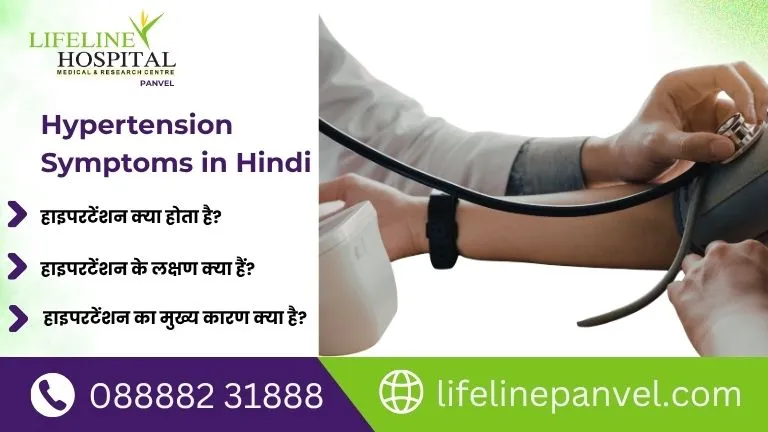
Blog Hypertension Symptoms in Hindi | हाइपरटेंशन के लक्षण क्या हैं? हाइपरटेंशन आज के समय की एक बेहद आम लेकिन उतनी ही गंभीर स्वास्थ्य समस्या बन चुकी है, जिसे अक्सर लोग हल्के में ले लेते हैं। यह धीरे-धीरे शरीर को अंदर ही अंदर नुकसान पहुंचाता है और कई बार इसके लक्षण भी स्पष्ट रूप से नजर नहीं आते। ऐसे में इसके शुरुआती संकेतों को समझना और समय रहते सावधानी बरतना बेहद जरूरी हो जाता है। हाइपरटेंशन क्या होता है? हाइपरटेंशन, जिसे आम भाषा में हाई ब्लड प्रेशर कहा जाता है, एक ऐसी स्थिति है जिसमें हमारी धमनियों में बहने वाले रक्त का दबाव सामान्य से अधिक हो जाता है। सामान्यतः ब्लड प्रेशर 120/80 mmHg के आसपास माना जाता है, लेकिन जब यह लगातार 140/90 mmHg या उससे अधिक रहता है, तो इसे हाइपरटेंशन कहा जाता है। यह एक “साइलेंट किलर” के रूप में जाना जाता है, क्योंकि कई बार इसके कोई स्पष्ट लक्षण नहीं दिखाई देते, लेकिन यह धीरे-धीरे शरीर के महत्वपूर्ण अंगों जैसे दिल, किडनी और मस्तिष्क को नुकसान पहुंचाता रहता है। आधुनिक जीवनशैली, तनाव और अनियमित खानपान के कारण यह समस्या तेजी से बढ़ती जा रही है। हाइपरटेंशन के लक्षण क्या हैं? हाइपरटेंशन के लक्षण अक्सर बहुत स्पष्ट नहीं होते, इसी वजह से कई लोग लंबे समय तक इससे अनजान रहते हैं। फिर भी कुछ संकेत ऐसे होते हैं जिन्हें नजरअंदाज नहीं करना चाहिए। बार-बार सिरदर्द होना, खासकर सुबह के समय, चक्कर आना, सांस लेने में तकलीफ, दिल की धड़कन तेज महसूस होना, और थकान का लगातार बने रहना इसके सामान्य लक्षण हो सकते हैं। कुछ लोगों को नाक से खून आना, आंखों के सामने धुंधलापन या बेचैनी भी महसूस हो सकती है। हालांकि, यह जरूरी नहीं कि हर व्यक्ति में ये सभी लक्षण दिखें, इसलिए नियमित जांच बहुत जरूरी है। कई बार लोग सिरदर्द या थकान को सामान्य समझकर नजरअंदाज कर देते हैं, लेकिन अगर ये समस्याएं बार-बार हो रही हैं, तो यह हाइपरटेंशन का संकेत हो सकता है। खासकर अगर आपको बिना किसी कारण चक्कर आते हैं या दिल की धड़कन असामान्य लगती है, तो इसे हल्के में नहीं लेना चाहिए। ऐसे लक्षण शरीर का संकेत होते हैं कि अंदर कुछ गड़बड़ चल रही है। बीपी बढ़ने पर शरीर क्या संकेत देता है? जब ब्लड प्रेशर बढ़ता है, तो शरीर कई छोटे-छोटे संकेत देने लगता है, जिन्हें हम अक्सर नजरअंदाज कर देते हैं। अचानक सिर भारी लगना, आंखों के सामने अंधेरा छाना, कानों में आवाज आना या बेचैनी महसूस होना ऐसे संकेत हो सकते हैं। कुछ लोगों को सीने में दबाव या हल्का दर्द भी महसूस हो सकता है। इसके अलावा, जल्दी गुस्सा आना, घबराहट और नींद न आना भी हाई बीपी के संकेत हो सकते हैं। ये संकेत भले ही हल्के लगें, लेकिन समय रहते ध्यान न दिया जाए तो ये गंभीर समस्याओं का कारण बन सकते हैं। कुछ लोगों को हाई बीपी के दौरान चेहरे पर लालिमा महसूस होती है या अचानक बहुत ज्यादा पसीना आने लगता है। वहीं, कुछ मामलों में व्यक्ति को बेचैनी या घबराहट इतनी बढ़ जाती है कि ध्यान केंद्रित करना मुश्किल हो जाता है। ये सभी संकेत इस बात की ओर इशारा करते हैं कि शरीर संतुलन खो रहा है और तुरंत ध्यान देने की जरूरत है। हाइपरटेंशन का मुख्य कारण क्या है? हाइपरटेंशन का कोई एक निश्चित कारण नहीं होता, बल्कि यह कई कारकों के संयोजन से विकसित होता है। सबसे प्रमुख कारणों में तनावपूर्ण जीवनशैली, अत्यधिक नमक का सेवन, मोटापा, शारीरिक गतिविधि की कमी और अनियमित दिनचर्या शामिल हैं। इसके अलावा, आनुवंशिक कारण भी महत्वपूर्ण भूमिका निभाते हैं, यानी अगर परिवार में किसी को हाई बीपी है, तो इसका खतरा बढ़ जाता है। बढ़ती उम्र के साथ भी ब्लड प्रेशर बढ़ने की संभावना अधिक हो जाती है। आज के समय में मानसिक तनाव हाइपरटेंशन का एक बड़ा कारण बनकर उभरा है। लगातार काम का दबाव, व्यक्तिगत जीवन की परेशानियां और आराम की कमी शरीर के हार्मोनल संतुलन को बिगाड़ देती हैं, जिससे ब्लड प्रेशर बढ़ सकता है। इसलिए केवल खानपान ही नहीं, बल्कि मानसिक स्वास्थ्य का ध्यान रखना भी उतना ही जरूरी है। किन कारणों से ब्लड प्रेशर बढ़ता है? ब्लड प्रेशर बढ़ने के पीछे कई कारण हो सकते हैं, जिनमें से कुछ हमारे नियंत्रण में होते हैं और कुछ नहीं। असंतुलित आहार, खासकर ज्यादा नमक और तेल का सेवन, नियमित व्यायाम की कमी, धूम्रपान और शराब का सेवन, और लगातार तनाव में रहना इसके प्रमुख कारण हैं। इसके अलावा, नींद की कमी, डायबिटीज, किडनी की समस्याएं और हार्मोनल असंतुलन भी ब्लड प्रेशर बढ़ाने में योगदान देते हैं। आधुनिक जीवनशैली में बैठकर काम करने की आदत भी इस समस्या को और बढ़ाती है। इसके अलावा, ज्यादा प्रोसेस्ड फूड और जंक फूड का सेवन भी ब्लड प्रेशर बढ़ाने में अहम भूमिका निभाता है। इन खाद्य पदार्थों में नमक और अनहेल्दी फैट की मात्रा अधिक होती है, जो धीरे-धीरे शरीर पर नकारात्मक प्रभाव डालते हैं। अगर इन्हें लंबे समय तक नजरअंदाज किया जाए, तो यह गंभीर स्वास्थ्य समस्याओं का कारण बन सकते हैं। हाइपरटेंशन के जोखिम कारक क्या हैं? हाइपरटेंशन के कुछ जोखिम कारक ऐसे होते हैं जिन्हें बदला नहीं जा सकता, जैसे उम्र और पारिवारिक इतिहास, लेकिन कई ऐसे कारक भी हैं जिन्हें नियंत्रित किया जा सकता है। मोटापा, खराब खानपान, शारीरिक गतिविधि की कमी, अधिक तनाव, धूम्रपान और शराब का सेवन इसके प्रमुख जोखिम कारक हैं। इसके अलावा, जो लोग लंबे समय तक बैठे रहते हैं या जिनकी दिनचर्या अनियमित होती है, उनमें भी यह जोखिम अधिक होता है। सही समय पर इन जोखिम कारकों को पहचानकर नियंत्रित करना बेहद जरूरी है। आत्ताच जाणून घ्या हायपरटेंशनची लक्षणे आणि स्वतःची काळजी घ्या. Make Appointment हाइपरटेंशन से बचाव कैसे करें? हाइपरटेंशन से बचाव के लिए जीवनशैली में छोटे-छोटे बदलाव बहुत असरदार साबित हो सकते हैं। सबसे पहले संतुलित आहार अपनाना जरूरी है, जिसमें कम नमक, ताजे फल, हरी सब्जियां और साबुत अनाज शामिल हों। नियमित व्यायाम, जैसे रोजाना 30 मिनट चलना या योग करना, ब्लड प्रेशर को नियंत्रित रखने में मदद करता है। तनाव को कम करने के लिए ध्यान और पर्याप्त नींद भी बहुत जरूरी है। धूम्रपान और शराब से दूरी बनाना भी हाइपरटेंशन से बचाव में
Pediatrician Meaning in Marathi | पेडियाट्रिशियन म्हणजे काय?
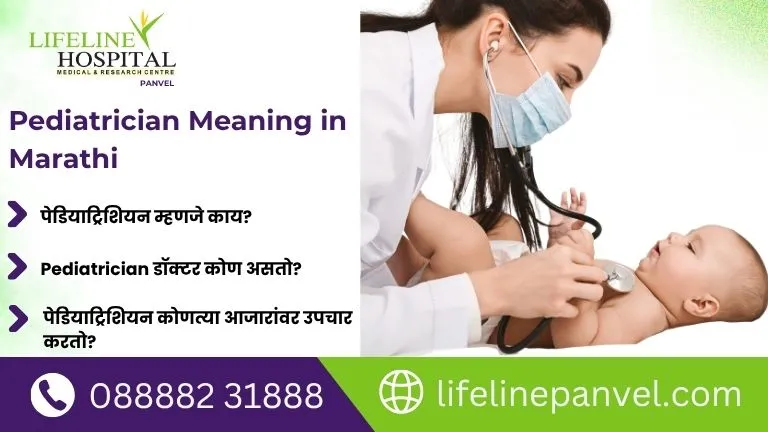
Blog Pediatrician Meaning in Marathi | पेडियाट्रिशियन म्हणजे काय? लहान मुलांचे आरोग्य हे प्रत्येक पालकासाठी अत्यंत महत्त्वाचे असते. मुलं सतत वाढत असतात, त्यांच्या शरीरात आणि मेंदूत अनेक बदल घडत असतात. त्यामुळे त्यांची काळजी घेण्यासाठी विशेष तज्ज्ञ डॉक्टरांची गरज असते. अशा डॉक्टरांना पेडियाट्रिशियन असे म्हणतात. या ब्लॉगमध्ये आपण पेडियाट्रिशियन म्हणजे काय, ते कोणते उपचार करतात आणि पालकांनी कधी त्यांच्याकडे जावे याबद्दल सविस्तर माहिती पाहणार आहोत. पेडियाट्रिशियन म्हणजे काय? पेडियाट्रिशियन म्हणजे लहान मुलांच्या आरोग्याची काळजी घेणारा डॉक्टर. हा डॉक्टर जन्मापासून ते किशोरवयीन मुलांपर्यंतच्या सर्व वयोगटातील मुलांचे निदान, उपचार आणि विकास यावर लक्ष ठेवतो. मुलांचे शरीर प्रौढांपेक्षा वेगळे असते, त्यामुळे त्यांच्या आजारांचे स्वरूप आणि उपचारही वेगळे असतात. पेडियाट्रिशियन हे याच बाबींमध्ये विशेष शिक्षण घेतलेले असतात. लहान मुलांचे आरोग्य हे केवळ आजार नसणे इतक्यावर मर्यादित नसते, तर त्यांच्या संपूर्ण वाढीशी जोडलेले असते. पेडियाट्रिशियन मुलाच्या शारीरिक आरोग्यासोबतच त्याच्या मानसिक आणि भावनिक विकासावरही लक्ष ठेवतो. उदाहरणार्थ, एखादे मूल वयाप्रमाणे बोलत नाही, चालत नाही किंवा इतर मुलांपेक्षा वेगळे वागते, तर पेडियाट्रिशियन त्या गोष्टींचे कारण शोधून योग्य मार्गदर्शन करतो. त्यामुळे पेडियाट्रिशियन हा फक्त डॉक्टर नसून मुलाच्या विकासाचा एक महत्त्वाचा मार्गदर्शक असतो. Pediatrician डॉक्टर कोण असतो? Pediatrician डॉक्टर हा असा वैद्यकीय तज्ज्ञ असतो जो खास करून नवजात बाळे, लहान मुले आणि किशोरवयीन मुलांच्या आरोग्यावर लक्ष केंद्रित करतो. तो केवळ आजारांवर उपचार करत नाही, तर मुलांची शारीरिक, मानसिक आणि भावनिक वाढ योग्य प्रकारे होत आहे का हेही तपासतो. लसीकरण, पोषण, वाढीचे टप्पे आणि विकास यावर तो सतत मार्गदर्शन करत असतो. पेडियाट्रिशियन डॉक्टर केवळ उपचार करत नाही, तर तो पालकांना मुलांच्या दैनंदिन काळजीबद्दलही मार्गदर्शन करतो. मुलाला काय खाऊ द्यावे, त्याची झोप किती असावी, त्याच्या सवयी कशा सुधाराव्यात याबद्दल तो सविस्तर माहिती देतो. विशेषतः नवजात बाळांच्या बाबतीत, आई-वडिलांना अनेक प्रश्न पडतात. अशावेळी पेडियाट्रिशियन योग्य सल्ला देऊन त्यांची चिंता कमी करतो. त्यामुळे पालक आणि डॉक्टर यांच्यात विश्वासाचे नाते तयार होते. पेडियाट्रिशियन आणि सामान्य डॉक्टर यांच्यात फरक काय? सामान्य डॉक्टर (General Physician) सर्व वयोगटातील लोकांवर उपचार करतात, तर पेडियाट्रिशियन फक्त मुलांच्या आरोग्याशी संबंधित असतात. मुलांमध्ये दिसणारे आजार, त्यांची लक्षणे आणि उपचारांची पद्धत प्रौढांपेक्षा वेगळी असते. त्यामुळे पेडियाट्रिशियनकडे मुलांच्या आरोग्याचे सखोल ज्ञान असते. ते मुलांच्या वर्तनातील बदल, वाढीतील अडचणी आणि विकासातील समस्या ओळखण्यात अधिक कुशल असतात. पेडियाट्रिशियन आणि सामान्य डॉक्टर यांच्यातील फरक केवळ वयोगटापुरता मर्यादित नाही. मुलांचे शरीर औषधांना वेगळ्या प्रकारे प्रतिसाद देते, त्यामुळे त्यांना दिले जाणारे डोस आणि उपचार पद्धती वेगळी असते. पेडियाट्रिशियन यासाठी विशेष प्रशिक्षण घेतलेले असतात. तसेच मुलांशी संवाद साधण्याची पद्धतही वेगळी असते, कारण लहान मुले आपली समस्या स्पष्टपणे सांगू शकत नाहीत. त्यामुळे त्यांच्या वर्तनातून आणि लक्षणांतून समस्या ओळखण्याची कला पेडियाट्रिशियनमध्ये असते. पेडियाट्रिशियन कोणत्या आजारांवर उपचार करतो? पेडियाट्रिशियन मुलांमध्ये होणाऱ्या विविध प्रकारच्या आजारांवर उपचार करतो. यामध्ये ताप, सर्दी, खोकला, अॅलर्जी, पोटाचे विकार, त्वचेचे आजार, श्वसनाचे आजार आणि संसर्गजन्य रोग यांचा समावेश होतो. तसेच, काही गंभीर समस्या जसे की दमा, कुपोषण, विकासातील अडथळे किंवा जन्मजात विकार यांच्यावरही ते उपचार करतात. मुलांच्या आरोग्याचा संपूर्ण विचार करून योग्य उपचार देणे हे त्यांचे प्रमुख काम असते. याशिवाय पेडियाट्रिशियन काही दीर्घकालीन आजारांवरही उपचार करतो, जसे की दमा, मधुमेह (Diabetes) किंवा थायरॉइड संबंधित समस्या. काही मुलांना वारंवार संसर्ग होतो किंवा त्यांची वाढ नीट होत नाही, अशा वेळी पेडियाट्रिशियन त्याचे मूळ कारण शोधून त्यावर उपाय करतो. तसेच मुलांमध्ये मानसिक तणाव, अभ्यासाचा दबाव किंवा वर्तनातील समस्या दिसल्यास त्यावरही योग्य सल्ला दिला जातो. मुलांमध्ये होणारे सामान्य आजार लहान मुलांमध्ये वारंवार सर्दी-खोकला, ताप, जुलाब, उलट्या, त्वचेवर पुरळ, घशाचे संसर्ग अशा समस्या दिसतात. याशिवाय काही मुलांना अॅलर्जी, दमा किंवा पचनाचे त्रासही होऊ शकतात. मुलांची रोगप्रतिकारक शक्ती पूर्णपणे विकसित नसल्यामुळे त्यांना संसर्ग लवकर होतो. त्यामुळे पालकांनी लहान लक्षणांकडेही दुर्लक्ष करू नये आणि वेळेवर डॉक्टरांचा सल्ला घ्यावा. लहान मुलांची रोगप्रतिकारक शक्ती पूर्णपणे विकसित झालेली नसते, त्यामुळे त्यांना वारंवार आजार होणे हे सामान्य आहे. विशेषतः हवामान बदलल्यावर सर्दी-खोकला, ताप किंवा घशाचे विकार वाढतात. शाळेत जाणाऱ्या मुलांमध्ये संसर्ग पसरायला जास्त वेळ लागत नाही. त्यामुळे स्वच्छतेची सवय, योग्य आहार आणि वेळेवर लसीकरण या गोष्टी खूप महत्त्वाच्या ठरतात. पालकांनी मुलांच्या छोट्या तक्रारींनाही गांभीर्याने घेणे आवश्यक आहे. आजच्या बदलत्या जीवनशैलीमुळे आणि वाढत्या प्रदूषणामुळे मुलांमध्ये काही नवीन प्रकारच्या समस्या देखील दिसू लागल्या आहेत. मोबाईल, टीव्ही आणि स्क्रीनचा जास्त वापर केल्यामुळे डोळ्यांचे त्रास, झोपेच्या समस्या आणि चिडचिडेपणा वाढताना दिसतो. तसेच बाहेरचे अन्न, जंक फूड आणि अनियमित खाण्याच्या सवयींमुळे लठ्ठपणा, पचनाचे विकार आणि पोषणाची कमतरता निर्माण होऊ शकते. काही मुलांमध्ये एकाग्रतेचा अभाव, लवकर थकवा येणे किंवा वारंवार आजारी पडणे अशी लक्षणेही दिसतात. अशा वेळी पालकांनी फक्त औषधांवर अवलंबून न राहता मुलांच्या दैनंदिन सवयींमध्ये बदल करणे आणि पेडियाट्रिशियनचा सल्ला घेणे खूप गरजेचे ठरते. पेडियाट्रिशियनकडे कधी जावे? जर मुलाला वारंवार ताप येत असेल, खाण्याची इच्छा कमी झाली असेल, सतत रडत असेल किंवा वर्तनात अचानक बदल दिसत असेल, तर पेडियाट्रिशियनकडे जाणे गरजेचे आहे. तसेच लसीकरणाच्या वेळेस, नियमित तपासणीसाठी आणि मुलाच्या वाढीचे निरीक्षण करण्यासाठीही डॉक्टरांकडे भेट देणे आवश्यक आहे. वेळेवर तपासणी केल्यास अनेक गंभीर आजार टाळता येतात. काही वेळा पालकांना वाटते की लहान आजारांसाठी डॉक्टरांकडे जाण्याची गरज नाही, पण हे चुकीचे ठरू शकते. मुलांमध्ये एखादा आजार लवकर वाढू शकतो. त्यामुळे ताप तीन दिवसांपेक्षा जास्त राहणे, मुलाचे वजन कमी होणे, खूप अशक्त वाटणे किंवा खाणे-पिणे पूर्णपणे बंद होणे अशी लक्षणे दिसल्यास डॉक्टरांकडे जाणे आवश्यक आहे. तसेच नियमित तपासणीमुळे मुलांच्या वाढीचा योग्य मागोवा घेता येतो. याशिवाय काही वेळा मुलांमध्ये बाहेरून फारशी लक्षणे दिसत नाहीत, पण आतून काही समस्या सुरू असू शकतात. उदाहरणार्थ, मूल अचानक शांत राहू लागणे, खेळण्याची इच्छा कमी होणे, अभ्यासात लक्ष न लागणे किंवा मित्रांपासून दूर राहणे अशा गोष्टींनाही दुर्लक्ष करू नये. या बदलांमागे शारीरिक किंवा मानसिक कारणे असू शकतात. त्यामुळे पालकांनी मुलांच्या वागणुकीकडे बारकाईने लक्ष देणे आवश्यक आहे. वेळेवर पेडियाट्रिशियनचा सल्ला घेतल्यास अशा समस्या सुरुवातीलाच ओळखून त्यावर योग्य उपाय करता येतात. आजच जाणून घ्या पेडियाट्रिशियन म्हणजे काय आणि का महत्वाचा आहे Make Appointment कोणती लक्षणे दिसल्यास डॉक्टरांना दाखवावे? जर मुलाला उंच ताप, सतत उलट्या, श्वास घेण्यास त्रास, शरीरावर पुरळ, भूक न लागणे, खूप झोप येणे किंवा असामान्य वर्तन दिसत असेल, तर त्वरित डॉक्टरांना दाखवावे. नवजात बाळांमध्ये लहानसहान बदलही गंभीर असू शकतात. त्यामुळे पालकांनी जागरूक राहणे खूप महत्त्वाचे आहे. काही गंभीर लक्षणे अशी असतात की त्याकडे दुर्लक्ष करणे धोकादायक ठरू शकते. जसे की मुलाला श्वास घेताना त्रास होणे, ओठ किंवा नखे निळे पडणे, सतत रडणे किंवा बेशुद्ध होणे. तसेच नवजात बाळ दूध पित नसल्यास किंवा खूप सुस्त दिसत असल्यास त्वरित डॉक्टरांचा सल्ला घ्यावा. वेळेवर उपचार केल्यास मोठ्या समस्या टाळता येतात. पेडियाट्रिशियन कोणत्या वयोगटातील मुलांना उपचार देतो? पेडियाट्रिशियन जन्मापासून ते साधारणपणे 18 वर्षांपर्यंतच्या मुलांवर उपचार करतो. नवजात
न्यूरोलॉजिस्ट का मतलब क्या होता है? (Neurologist Meaning in Hindi)
Blog न्यूरोलॉजिस्ट का मतलब क्या होता है? न्यूरोलॉजिस्ट शब्द अक्सर हम सुनते हैं, लेकिन बहुत से लोगों को इसका सही मतलब और काम पूरी तरह से समझ में नहीं आता। यह एक ऐसा विशेषज्ञ होता है जो दिमाग, नसों और रीढ़ की हड्डी से जुड़ी समस्याओं को समझकर उनका इलाज करता है। अगर किसी व्यक्ति को बार-बार सिरदर्द, चक्कर या शरीर के किसी हिस्से में कमजोरी महसूस होती है, तो ऐसे में न्यूरोलॉजिस्ट की जरूरत पड़ सकती है। न्यूरोलॉजिस्ट का हिंदी में अर्थ “तंत्रिका तंत्र विशेषज्ञ” होता है। यह डॉक्टर हमारे नर्वस सिस्टम यानी मस्तिष्क (Brain), नसों (Nerves) और स्पाइनल कॉर्ड (Spinal Cord) से जुड़ी बीमारियों का इलाज करता है। यह क्षेत्र बहुत ही जटिल होता है, इसलिए इसमें विशेष प्रशिक्षण और गहरी समझ की आवश्यकता होती है। न्यूरोलॉजिस्ट क्या होता है? यह समझना जरूरी है कि न्यूरोलॉजिस्ट सिर्फ सिरदर्द या माइग्रेन तक सीमित नहीं होता, बल्कि यह शरीर के पूरे नर्वस सिस्टम का डॉक्टर होता है। जब शरीर के किसी हिस्से में संवेदना, मूवमेंट या सोचने-समझने की क्षमता प्रभावित होती है, तब न्यूरोलॉजिस्ट की भूमिका महत्वपूर्ण हो जाती है। न्यूरोलॉजिस्ट वह डॉक्टर होता है जो दिमाग, नसों और रीढ़ की हड्डी से जुड़ी समस्याओं का निदान और इलाज करता है। यह डॉक्टर बिना सर्जरी के इलाज करने में विशेषज्ञ होता है और दवाइयों, थेरेपी और लाइफस्टाइल बदलाव के माध्यम से मरीज को ठीक करने की कोशिश करता है। इसके अलावा, न्यूरोलॉजिस्ट मरीज की पूरी मेडिकल हिस्ट्री को ध्यान से समझता है और उसके लक्षणों के आधार पर बीमारी की जड़ तक पहुंचने की कोशिश करता है। कई बार एक ही लक्षण अलग-अलग कारणों से हो सकता है, इसलिए सही निदान करना इस विशेषज्ञ की सबसे बड़ी जिम्मेदारी होती है। यही वजह है कि न्यूरोलॉजी को चिकित्सा क्षेत्र की सबसे जटिल शाखाओं में से एक माना जाता है। न्यूरोलॉजिस्ट डॉक्टर का मतलब क्या होता है? अक्सर लोग “न्यूरोलॉजिस्ट” और “न्यूरोलॉजिस्ट डॉक्टर” में फर्क समझ नहीं पाते, जबकि दोनों का मतलब लगभग एक ही होता है। यह शब्द सिर्फ इस बात को स्पष्ट करता है कि यह एक स्पेशलिस्ट डॉक्टर है। न्यूरोलॉजिस्ट डॉक्टर वह विशेषज्ञ होता है जिसने एमबीबीएस के बाद न्यूरोलॉजी में विशेष पढ़ाई और प्रशिक्षण लिया होता है। यह डॉक्टर नर्वस सिस्टम की जटिल बीमारियों को पहचानने और उनका सही इलाज करने में सक्षम होता है। न्यूरोलॉजिस्ट और सामान्य डॉक्टर में क्या अंतर होता है? बहुत बार मरीज यह तय नहीं कर पाते कि उन्हें सामान्य डॉक्टर के पास जाना चाहिए या सीधे न्यूरोलॉजिस्ट के पास। इसलिए दोनों के बीच का अंतर समझना बेहद जरूरी है। सामान्य डॉक्टर (General Physician) शरीर की सामान्य बीमारियों का इलाज करता है, जैसे बुखार, सर्दी, खांसी या हल्की कमजोरी। वहीं न्यूरोलॉजिस्ट विशेष रूप से नर्वस सिस्टम से जुड़ी समस्याओं का इलाज करता है, जैसे स्ट्रोक, मिर्गी या नसों की कमजोरी। जब समस्या जटिल या लंबे समय तक रहने वाली हो, तब सामान्य डॉक्टर मरीज को न्यूरोलॉजिस्ट के पास भेजता है। कब आपको न्यूरोलॉजिस्ट के पास जाना चाहिए? कई बार शरीर कुछ ऐसे संकेत देता है जिन्हें हम नजरअंदाज कर देते हैं, लेकिन वही आगे चलकर बड़ी समस्या बन सकते हैं। ऐसे संकेतों को समय रहते पहचानना बहुत जरूरी होता है। अगर आपको बार-बार तेज सिरदर्द, अचानक चक्कर आना, याददाश्त कमजोर होना, शरीर के किसी हिस्से में सुन्नपन या झनझनाहट महसूस होना, बोलने में दिक्कत या चलने में संतुलन बिगड़ना जैसे लक्षण दिखें, तो आपको तुरंत न्यूरोलॉजिस्ट से सलाह लेनी चाहिए। अक्सर लोग इन लक्षणों को थकान या सामान्य कमजोरी समझकर नजरअंदाज कर देते हैं, लेकिन ऐसा करना आगे चलकर खतरनाक साबित हो सकता है। खासतौर पर अगर लक्षण अचानक शुरू हों या धीरे-धीरे बढ़ते जाएं, तो इसे बिल्कुल भी हल्के में नहीं लेना चाहिए। समय पर जांच और इलाज से कई गंभीर स्थितियों को रोका जा सकता है। न्यूरोलॉजी में कौन-कौन सी बीमारी आती है? न्यूरोलॉजी का क्षेत्र बहुत विस्तृत होता है और इसमें कई तरह की बीमारियां शामिल होती हैं। यह बीमारियां दिमाग, नसों और रीढ़ की हड्डी तीनों से जुड़ी हो सकती हैं। न्यूरोलॉजी में आने वाली बीमारियों में स्ट्रोक, मिर्गी (Epilepsy), पार्किंसन रोग, अल्जाइमर, माइग्रेन, नसों की कमजोरी, और स्पाइनल डिसऑर्डर जैसी कई समस्याएं शामिल होती हैं। हर बीमारी के लक्षण और इलाज अलग-अलग होते हैं, इसलिए सही जांच और निदान बहुत जरूरी होता है। दिमाग (Brain) से जुड़ी बीमारियां दिमाग हमारे शरीर का सबसे महत्वपूर्ण अंग है, जो हर क्रिया को नियंत्रित करता है। इससे जुड़ी छोटी सी समस्या भी जीवन पर बड़ा असर डाल सकती है। ब्रेन से जुड़ी बीमारियों में स्ट्रोक, माइग्रेन, ब्रेन ट्यूमर, अल्जाइमर और डिमेंशिया जैसी समस्याएं शामिल होती हैं। इन बीमारियों में मरीज को सिरदर्द, भूलने की बीमारी, सोचने-समझने में दिक्कत या बेहोशी जैसे लक्षण दिखाई दे सकते हैं। नसों (Nerves) से जुड़ी बीमारियां नसें शरीर के हर हिस्से को दिमाग से जोड़ती हैं और संदेशों का आदान-प्रदान करती हैं। जब इनमें कोई समस्या आती है, तो शरीर का सामान्य कामकाज प्रभावित हो जाता है। नसों से जुड़ी बीमारियों में न्यूरोपैथी, नसों में सूजन, झनझनाहट, कमजोरी और दर्द जैसी समस्याएं शामिल होती हैं। खासतौर पर डायबिटीज के मरीजों में नसों की समस्या ज्यादा देखी जाती है। रीढ़ की हड्डी (Spine) से जुड़ी समस्याएं रीढ़ की हड्डी शरीर को सहारा देने के साथ-साथ नर्वस सिस्टम का अहम हिस्सा भी होती है। इसमें होने वाली समस्या सीधे मूवमेंट और संवेदना को प्रभावित कर सकती है। स्पाइन से जुड़ी समस्याओं में स्लिप डिस्क, स्पाइनल इंजरी, नस दबना और कमर दर्द शामिल हैं। इन समस्याओं में चलने-फिरने में दिक्कत, पैरों में कमजोरी या दर्द महसूस हो सकता है। इन बीमारियों का असर केवल शरीर पर ही नहीं, बल्कि व्यक्ति के व्यवहार, सोचने की क्षमता और रोजमर्रा के जीवन पर भी पड़ता है। इसलिए न्यूरोलॉजिकल समस्याओं का इलाज केवल दवाइयों तक सीमित नहीं होता, बल्कि इसमें लंबे समय तक निगरानी और देखभाल की भी जरूरत होती है। न्यूरोलॉजिस्ट किन लक्षणों का इलाज करता है? न्यूरोलॉजिस्ट केवल बीमारी का ही नहीं, बल्कि उससे जुड़े लक्षणों का भी गहराई से इलाज करता है। कई बार लक्षण छोटे लगते हैं, लेकिन वे किसी बड़ी बीमारी का संकेत हो सकते हैं। यह डॉक्टर सिरदर्द, चक्कर, याददाश्त कमजोर होना, हाथ-पैरों में झनझनाहट, कमजोरी,
Nephrologist Meaning : Role, Treatments & When to Visit
Blog Nephrologist Meaning: What Does a Kidney Specialist Do? Most people don’t really think about their kidneys on a daily basis. Everything feels normal, so there’s no reason to worry… right? But the moment something feels off, that’s when confusion starts—especially about which doctor to consult. That’s where the term nephrologist meaning comes into the picture. In simple terms, this is the doctor you go to when your kidneys are not working the way they should. But honestly, it’s not just about serious illness. Sometimes even small signs can point towards kidney issues, and ignoring them is where people go wrong. Your kidneys quietly handle a lot—removing waste, balancing fluids, controlling blood pressure. So when they struggle, your body starts showing signs, even if they’re easy to miss. What is the meaning of a nephrologist? If we keep it very simple, the nephrologist meaning is a doctor who deals with kidney-related problems. But in real life, their role goes beyond just treatment. They focus on how well your kidneys are functioning and what can be done if something is not right. Sometimes patients come in very late, when damage has already progressed. That’s why these doctors also focus on early detection and long-term care. It’s not always about curing a disease—many times, it’s about managing it in a way that things don’t get worse. What does a nephrologist do? A nephrologist’s job is not limited to checking reports and prescribing medicines. There’s more to it than that. They try to understand the full picture—your lifestyle, your habits, your medical history. All of this plays a role in kidney health. Diagnosis and monitoring They use blood and urine tests to see how your kidneys are functioning. If something looks unusual, they keep track of it over time instead of making quick decisions. Managing chronic kidney disease For people with long-term kidney problems, treatment is more about control than cure. The doctor helps in slowing down the damage and keeping things stable. Dialysis and advanced care In serious cases, when kidneys stop working properly, dialysis may be required. A nephrologist guides patients through this process and makes it manageable. What diseases are treated by a nephrologist? There are many conditions that come under kidney care. Some people only think about kidney failure, but that’s just one part of it. Chronic kidney disease is quite common these days, especially among people with diabetes or high blood pressure. Kidney infections, fluid imbalance, and electrolyte issues are also treated by nephrologists. In some cases, kidney stones may also involve their care, depending on the situation. The thing is, not all kidney problems are obvious in the beginning, which makes regular checkups important. When should you visit a nephrologist? This is something people often delay, thinking it’s nothing serious. If you notice swelling in your legs, feet, or even face, it could be related to kidney function. Changes in urination—like going too often or too less—can also be a sign. If you already have diabetes or high blood pressure, kidney checkups should not be ignored. Warning signs to watch for Blood in urine Foamy urine Constant tiredness Loss of appetite High-risk groups People with diabetes Those with high BP Family history of kidney disease Why early check matters The earlier the issue is identified, the easier it is to manage. Waiting too long can lead to complications that are harder to treat. What is the difference between a nephrologist and a urologist? This is where many people get confused. A nephrologist focuses on medical kidney conditions—things like kidney disease, blood pressure issues, or kidney failure. A urologist, on the other hand, handles surgical problems like kidney stones, bladder issues, or prostate conditions. So depending on the condition, you might be referred from one to another. But for ongoing kidney health, a nephrologist is usually the one involved. What tests does a nephrologist perform? To understand what’s happening inside the body, tests are necessary. Blood tests are commonly used to check creatinine and other markers. Urine tests help detect infections or protein leakage. Imaging tests like ultrasound give a clearer picture of the kidneys. In some situations, a biopsy may be needed to identify the exact issue. These tests may sound a bit much, but they actually help in avoiding bigger complications later. How does a nephrologist help in kidney disease management? Kidney disease is not something that gets fixed overnight. It requires regular attention. A nephrologist creates a treatment plan based on your condition. Medicines are given to control related issues like blood pressure or diabetes. Diet changes also play a big role. Patients are usually advised to reduce salt, manage protein intake, and follow certain restrictions. Regular follow-ups are important because the condition needs to be monitored continuously. Can a nephrologist help prevent kidney disease? Yes, and this part is often overlooked. Prevention is actually much easier than dealing with advanced problems. A nephrologist can identify early risks and suggest ways to avoid damage. Managing sugar levels, keeping BP under control, and maintaining a healthy lifestyle can go a long way in protecting kidney health. Even small habits, if followed consistently, can make a difference. Why Choose Lifeline Hospital Panvel for Kidney Care? When it comes to treatment, the place you choose matters. Lifeline Hospital Panvel provides complete kidney care with proper facilities and experienced doctors. From diagnosis to treatment and follow-ups, everything is handled in one place. The focus is not just on treatment, but also on patient comfort and long-term care. This makes the overall experience smoother for patients and their families. Conclusion The nephrologist meaning may sound simple, but the role is actually very important when it comes to overall health. Kidney problems often develop slowly and silently. Ignoring early signs can lead to serious complications later. On the other hand, timely care and regular monitoring can help manage things much better. Taking care of your kidneys is not something to delay. A little attention now can prevent bigger issues in
Hypertension Symptoms: Signs You Shouldn’t Ignore
Blog Hypertension Symptoms: Signs of High Blood Pressure Most people don’t really think about blood pressure unless a doctor mentions it. And honestly, that’s where the problem starts. The thing about hypertension symptoms is… they are not always obvious. Many times, there’s nothing at all, and everything feels normal. But that doesn’t mean everything is okay. High blood pressure can slowly affect your body without giving clear signals. It builds up over time, and by the time you notice something unusual, it might already need proper attention. That’s why even small signs shouldn’t be ignored. What are hypertension symptoms? If we talk in simple words, hypertension symptoms are the signs your body may show when your blood pressure goes higher than it should. But here’s the confusing part—many people don’t feel anything. Like literally nothing. You could be going about your day, working, eating, doing normal things, and still have high BP. In some cases though, the body does give hints. They may not be strong or consistent, but they are there. And most people either ignore them or think it’s just tiredness or stress. What are the common hypertension symptoms? Now, even though it’s called a silent condition, there are still some symptoms people notice, especially when BP increases suddenly. Headaches are quite common. Not just normal ones, but a kind of heavy feeling in the head, mostly in the morning. Some people feel dizzy, like slight imbalance or spinning feeling. Breathing can feel a bit uncomfortable sometimes, even without much physical activity. Nosebleeds can happen too, though not in every case. Fatigue is another thing. You may feel tired even when you haven’t done much. It’s easy to ignore, but sometimes it’s connected. Why does hypertension often have no symptoms? This is the part that confuses most people. Silent effect on the body Your body slowly adjusts to higher pressure levels. So instead of reacting strongly, it kind of… adapts. That’s why you don’t feel anything unusual at first. Gradual internal damage Even without symptoms, high BP keeps affecting organs like heart and kidneys. The damage is slow, not sudden, which is why it goes unnoticed for a long time. What are the warning signs of severe hypertension? When blood pressure goes too high, the body usually can’t ignore it anymore. You might get a very strong headache that doesn’t go away easily. Chest pain can also happen, which people sometimes mistake for acidity or stress. Breathing becomes difficult, and vision may get blurry. Some people even feel confused or uneasy without any clear reason. Symptoms that need immediate attention Severe headache Chest pain or pressure Trouble breathing Blurred vision What these signs indicate These could be signs that BP has gone dangerously high. It’s not something to wait out. Medical help should be taken quickly. When should you see a doctor for hypertension symptoms? Honestly, most people wait too long. If you keep getting headaches or feel dizzy again and again, it’s better to just get your BP checked once. It doesn’t take much time, but it gives clarity. If you already have diabetes or high BP in your family, then regular checkups are even more important. Even if you feel okay, a routine check once in a while is not a bad idea. Sometimes it’s better to be sure than assume everything is fine. What causes hypertension symptoms? There’s usually not just one reason behind high blood pressure. It’s more like a mix of things. Eating too much salty food can increase BP. Not moving around much, sitting most of the day, also affects it. Stress—well, that’s something almost everyone deals with now, and it plays a big role. Smoking and alcohol can make things worse over time. And sometimes, health conditions like kidney issues can also lead to hypertension. It builds slowly, so people don’t notice until it becomes a pattern. Who is at risk of developing hypertension? Some people are naturally at a higher risk of developing high blood pressure. As age increases, BP problems tend to become more common, and family history also plays an important role—if your parents had hypertension, your chances are higher too. Apart from this, certain health conditions like diabetes, obesity, and kidney-related issues are closely linked with high blood pressure, making it harder for the body to maintain normal levels. Lifestyle habits also add to the risk over time, such as lack of physical activity, unhealthy eating patterns, and daily stress, all of which slowly contribute to the problem. How are hypertension symptoms diagnosed? Diagnosis is actually simple, nothing complicated. Doctors check your blood pressure using a machine. Usually, they don’t rely on just one reading. They may check it a few times to be sure. Sometimes, blood or urine tests are suggested to see if there’s any underlying issue. If needed, further tests may be done to check heart or kidney health. It’s more about confirming patterns rather than a one-time result. Can hypertension symptoms be prevented? To some extent, yes. Simple changes can really help. Eating less salt, staying active, even basic walking daily—it makes a difference. Stress is harder to control, but managing it in small ways helps. Avoiding smoking and limiting alcohol also plays a role. It’s not about making big changes overnight. Even small steps, if done regularly, can keep things under control. Why Choose Lifeline Hospital Panvel for Hypertension Care? When it comes to health, people usually look for a place where everything is handled properly without too much confusion. Lifeline Hospital Panvel provides care for blood pressure issues with proper testing and treatment options. From checking your BP to managing it long-term, the process is quite smooth. Patients don’t have to run around much, and follow-ups are also managed in a structured way. That makes things easier, especially for ongoing conditions like hypertension. Conclusion So overall, hypertension symptoms are not always loud or obvious. That’s what makes them easy to ignore. Many people live with high BP without even knowing