

Angioplasty Meaning: Heart Procedure & Benefits

Blog Angioplasty Meaning: What Is This Heart Procedure? These days, heart-related issues are being heard more often than before. And with that, terms like angiography and angioplasty also come up a lot. But honestly, not everyone really knows what they mean. That’s where angioplasty meaning becomes something people start searching for. For many, it sounds like a big surgery… something serious. But actually, it’s not exactly like that. It’s a procedure, yes, but not as complicated as people imagine. If someone has blocked arteries or keeps getting chest pain, doctors may suggest this. It helps in improving blood flow to the heart, which is quite important. Still, there’s always that confusion—why is it needed, how it’s done, and what happens after. What is the meaning of angioplasty? If we put it in simple words, the angioplasty meaning is a treatment used to open blocked blood vessels, mainly the ones that supply blood to the heart. Over time, fat and cholesterol start building up inside arteries. This blocks the normal flow of blood. At first, it may not cause much trouble, but slowly it can lead to chest pain or even heart attack. Angioplasty helps in clearing that blockage. It improves the blood flow so the heart can function properly again. And the good part is, it doesn’t require a big open surgery. Why is angioplasty done? Doctors usually suggest angioplasty when the blockage becomes serious enough to affect daily life. If someone feels chest pain while walking or doing small activities, that could be a sign. In emergency situations like a heart attack, this procedure is done quickly to restore blood flow. Sometimes medicines help, but not always. When they are not enough, angioplasty becomes the next option. It’s not something done randomly—it’s based on reports and symptoms. How is angioplasty performed? A lot of people feel nervous thinking about how this procedure is done. But once you understand it, it feels less scary. Step-by-step procedure A thin tube is inserted into a blood vessel, usually from the hand or leg. This tube is slowly guided to the blocked artery. When it reaches there, a small balloon is used to open the blockage. It pushes the plaque aside and creates space for blood to flow. Stent placement In most cases, a stent is placed inside the artery. It’s like a small mesh that keeps the artery open. What are the types of angioplasty? Not many people know this, but there are different types of angioplasty. Balloon angioplasty This is the basic one where only a balloon is used to open the artery. Stent angioplasty Here, a stent is added to make sure the artery stays open. Laser angioplasty In some cases, a laser is used to remove the blockage. Doctors decide which type is needed depending on the patient’s condition. What are the benefits of angioplasty? One of the biggest advantages is that it quickly improves blood flow. People who were having chest pain often feel relief after the procedure. It’s not a major surgery, so recovery is faster. Most patients don’t have to stay in the hospital for too long. It also helps in reducing the risk of heart attack, especially in people with severe blockage. Overall, it’s a safer and quicker option compared to traditional surgery in many cases. What are the risks of angioplasty? Even though it’s considered safe, there are still some risks. There can be slight bleeding where the tube is inserted. Some people may get bruising or mild discomfort. In rare situations, infection or blood clots can happen. Also, there are chances that the artery may narrow again over time. But doctors usually keep all this in mind before suggesting the procedure, so risks are managed properly. When is angioplasty needed? Not everyone needs angioplasty. It depends on how serious the blockage is. If reports show major blockage or symptoms are getting worse, then doctors may suggest it. During a heart attack, it becomes more urgent. Sometimes lifestyle changes and medicines work, but if they don’t, then this procedure becomes necessary. It’s more about timing—doing it at the right stage. How long does it take to recover from angioplasty? Recovery after angioplasty is generally quick, which comes as a big relief for most patients. Right after the procedure, patients are kept under observation for about a day to monitor their condition and ensure there are no complications. In most cases, people can return to their normal daily activities within a week, although recovery time may vary depending on overall health and medical history. However, long-term care is equally important—patients are usually advised to continue prescribed medications, attend regular checkups, and follow a heart-healthy lifestyle to maintain proper blood flow and prevent future issues. What lifestyle changes are needed after angioplasty? This part is very important, but often ignored. Just doing the procedure is not enough. Lifestyle changes matter a lot after that. Eating less oily food, reducing salt, and staying active helps in keeping arteries healthy. Even simple walking can make a difference. Smoking should be avoided, and alcohol should be limited. Stress is another factor that people don’t pay much attention to, but it affects heart health. Small changes, done regularly, can help in the long run. Why Choose Lifeline Hospital Panvel for Angioplasty? When it comes to heart treatment, choosing the right hospital matters a lot. Lifeline Hospital Panvel offers proper care for heart-related conditions, including angioplasty. From diagnosis to treatment and follow-up, everything is handled in a systematic way. Patients don’t have to go through too much confusion, and the process is smoother. The focus is on providing care that is both effective and manageable for the patient. Conclusion So, the angioplasty meaning is not just a technical term—it’s a procedure that can actually help people live better. Blocked arteries can cause serious problems if ignored. But with timely treatment, things can be managed well. Angioplasty makes it possible to restore blood flow without major surgery, and that’s why it’s
Oncology Meaning: Cancer Care, Types & Treatment

Blog Oncology Meaning: What Is Cancer Care All About? When people hear the word cancer, it usually brings a lot of fear… and honestly, confusion too. Along with that, terms like oncology also come up, and many people are not really sure what it actually means. That’s where oncology meaning becomes important. It’s not just some medical word doctors use. It actually covers the whole process of cancer care—from finding out the problem to treating it and even managing things after that. For someone dealing with this situation, or even just trying to understand it better, knowing what oncology is about can make things a little less overwhelming. What is the meaning of oncology? If we say it in a simple way, the oncology meaning is the branch of medicine that deals with cancer. Doctors in this field are called oncologists. They are the ones who handle diagnosis, treatment, and overall care of patients with cancer. But their role is not just limited to treatment. Cancer is not just one type of disease. There are many types, and each one behaves differently. That’s why oncology is quite a broad field and needs proper planning and care at every step. What does oncology include? Oncology is not only about giving treatment and medicines. There’s more to it than that. It starts with diagnosing the condition—through tests, scans, and sometimes biopsies. Once the cancer is confirmed, doctors plan the treatment depending on the type and stage. Then comes the actual treatment phase, where patients go through different therapies. After that, monitoring becomes important to check how the body is responding. There is also supportive care, which helps manage side effects and keeps the patient comfortable. This part is often not talked about much, but it matters a lot. What are the types of oncology? Not many people realize that oncology itself has different types. Medical oncology This mainly involves treatment through medicines like chemotherapy or newer therapies. It’s one of the most commonly used approaches. Surgical oncology Here, surgery is done to remove the tumor or affected area. It is usually done when the cancer is in a specific location. Radiation oncology This uses radiation to destroy cancer cells or reduce the size of tumors. In many cases, doctors use a combination of these treatments, depending on what the patient needs. What does an oncologist do? An oncologist’s role is actually quite detailed. They first diagnose the cancer and check how advanced it is. After that, they decide what treatment plan would work best. They also explain things to the patient—what to expect, how treatment will go, what side effects might happen. This part is important because patients usually have a lot of questions. During treatment, they keep monitoring progress and make changes if needed. Sometimes they also work with other doctors to provide complete care. When should you see an oncologist? Many people think they should only visit an oncologist after cancer is confirmed, but that’s not always true. If there are unusual symptoms that don’t go away, or test results that look abnormal, a doctor may suggest seeing an oncologist. People with a family history of cancer may also need to consult for screening or advice. Going early can actually help in catching problems at an early stage, which makes treatment easier. What symptoms may require oncology consultation? Cancer symptoms are not always very clear, which makes it difficult sometimes. Common warning signs Unexplained weight loss is one of the things people notice first. Feeling tired all the time without any reason can also be a sign. Lumps or swelling anywhere in the body should not be ignored. Changes in skin or moles are also something to keep an eye on. Symptoms that need attention Persistent pain, difficulty swallowing, or changes in bowel habits can also be signs. These symptoms don’t always mean cancer, but it’s better to get them checked instead of ignoring them. How is cancer diagnosed in oncology? Diagnosis usually starts with basic tests. Doctors may suggest blood tests or scans like CT or MRI to check for any abnormal growth. If something suspicious is found, a biopsy is done to confirm it. A biopsy involves taking a small sample of tissue and examining it. This helps in identifying the type of cancer. Once confirmed, further tests may be done to see how far it has spread. This helps in planning the treatment. What treatments are used in oncology? Treatment depends on many things, so it’s not the same for everyone. Chemotherapy is one of the most common methods. Radiation therapy is also used to target specific areas. Surgery may be needed to remove tumors. In some cases, newer treatments like immunotherapy are used. Doctors often combine different treatments to get better results. Can cancer be prevented or detected early? Not all cancers can be prevented, but some risk can definitely be reduced. Healthy eating, avoiding tobacco, and limiting alcohol can help. Regular checkups and screenings are also important, especially if there is a family history. Early detection makes a big difference. When cancer is found early, treatment becomes more effective. Why Choose Lifeline Hospital Panvel for Oncology Care? Choosing the right hospital can make things easier during treatment. Lifeline Hospital Panvel provides facilities for cancer care, including diagnosis and treatment. The process is handled in a proper and organized way. Patients get support at every stage, which helps reduce stress during treatment. Having everything in one place also makes it more convenient. Conclusion So, the oncology meaning is not just about cancer treatment. It’s about the entire process of care—from diagnosis to recovery. Cancer can feel overwhelming, but with the right approach and timely care, things can be managed better. Paying attention to symptoms and not delaying checkups can really make a difference in the long run. Health concerns don’t wait—and neither should you. Connect with a doctor today and take the first step toward better care. Make Appointment FAQs What is oncology in simple
Endoscopy Test Kya Hota Hai – पूरी जानकारी
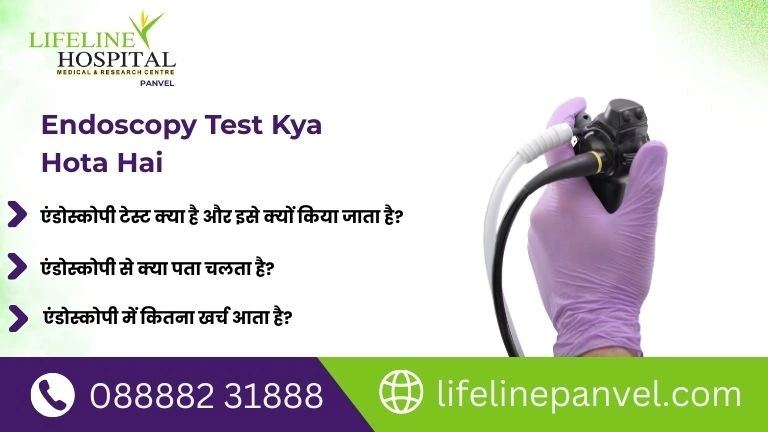
Blog Endoscopy Test Kya Hota Hai – पूरी जानकारी आज के समय में स्वास्थ्य से जुड़ी समस्याएं तेजी से बढ़ रही हैं, खासकर पेट, गले और पाचन तंत्र से जुड़ी बीमारियां। कई बार सामान्य जांच से इन समस्याओं का सही कारण पता नहीं चल पाता। ऐसे में डॉक्टर एक विशेष जांच की सलाह देते हैं, जिसे एंडोस्कोपी कहा जाता है। बहुत से लोगों के मन में इस टेस्ट को लेकर डर, भ्रम और कई सवाल होते हैं, जैसे यह कैसे होता है, दर्द होता है या नहीं, कितना खर्च आता है, और क्या यह सुरक्षित है। इस लेख में हम एंडोस्कोपी से जुड़ी हर छोटी-बड़ी बात को सरल भाषा में समझेंगे, ताकि आपको किसी भी तरह की चिंता न रहे और आप सही निर्णय ले सकें। एंडोस्कोपी टेस्ट क्या है और इसे क्यों किया जाता है? एंडोस्कोपी एक ऐसी आधुनिक जांच है, जिसके जरिए डॉक्टर शरीर के अंदरूनी हिस्सों को सीधे देख सकते हैं। जब किसी व्यक्ति को लंबे समय तक पेट से जुड़ी समस्या, गले में जलन, बार-बार उल्टी, निगलने में परेशानी या बिना कारण वजन कम होना जैसी दिक्कतें होती हैं, तब केवल दवाइयों के भरोसे रहना पर्याप्त नहीं होता। ऐसे में डॉक्टर एंडोस्कोपी की सलाह देते हैं, ताकि समस्या की जड़ तक पहुंचा जा सके। इस जांच में एक पतली और लचीली ट्यूब का इस्तेमाल किया जाता है, जिसके सिरे पर कैमरा और लाइट लगी होती है। यह ट्यूब मुंह के जरिए अंदर डाली जाती है और डॉक्टर स्क्रीन पर अंदर की स्थिति को साफ-साफ देख पाते हैं। यही वजह है कि एंडोस्कोपी को केवल अनुमान लगाने वाली जांच नहीं, बल्कि सटीक जानकारी देने वाली प्रक्रिया माना जाता है। कई बार मरीज यह सोचकर जांच टालते रहते हैं कि समस्या अपने आप ठीक हो जाएगी, लेकिन शरीर बार-बार संकेत देता है कि अंदर कुछ ठीक नहीं है। ऐसे संकेतों को समझना और समय पर जांच कराना बहुत जरूरी होता है, क्योंकि शुरुआती अवस्था में बीमारी का पता चलना हमेशा बेहतर होता है। एंडोस्कोपी से क्या पता चलता है? एंडोस्कोपी का सबसे बड़ा फायदा यही है कि इससे डॉक्टर को सीधे अंदर देखने का मौका मिलता है। इससे कई ऐसी समस्याएं भी पकड़ में आ जाती हैं, जो सामान्य टेस्ट में नजर नहीं आतीं। जब डॉक्टर एंडोस्कोपी करते हैं, तो उन्हें पेट, गले और भोजन नली की स्थिति स्पष्ट दिखाई देती है, जिससे वे बीमारी की सही पहचान कर पाते हैं। इस जांच के जरिए पेट में अल्सर, सूजन, गैस्ट्राइटिस, एसिड रिफ्लक्स जैसी आम समस्याओं के साथ-साथ गंभीर बीमारियों के संकेत भी मिल सकते हैं। अगर कहीं अंदरूनी हिस्से में घाव है, खून बह रहा है या कोई असामान्य बदलाव दिखाई दे रहा है, तो डॉक्टर तुरंत समझ जाते हैं कि समस्या क्या है। कई बार मरीज को यह समझ नहीं आता कि उसे बार-बार उल्टी क्यों हो रही है या खाना निगलने में परेशानी क्यों हो रही है। ऐसे मामलों में एंडोस्कोपी एक तरह से आंखों से देखने जैसा अनुभव देती है, जिससे अंदाजा नहीं बल्कि पक्की जानकारी मिलती है। जरूरत पड़ने पर इसी प्रक्रिया के दौरान डॉक्टर बायोप्सी भी कर सकते हैं, जिससे बीमारी की पुष्टि और भी आसान हो जाती है। एंडोस्कोपी में कितना खर्च आता है? एंडोस्कोपी का खर्च सुनते ही लोगों के मन में पहला सवाल यही आता है कि यह कितना महंगा पड़ेगा। सच कहें तो इसका कोई एक तय मूल्य नहीं होता, क्योंकि यह कई बातों पर निर्भर करता है। शहर, अस्पताल की सुविधा, डॉक्टर का अनुभव और जांच के प्रकार के अनुसार खर्च अलग-अलग हो सकता है। आमतौर पर भारत में एंडोस्कोपी का खर्च लगभग 1500 रुपये से लेकर 8000 रुपये या उससे ज्यादा तक हो सकता है। अगर जांच के दौरान बायोप्सी या कोई अतिरिक्त प्रक्रिया की जाती है, तो खर्च बढ़ना स्वाभाविक है। बड़े और आधुनिक अस्पतालों में यह खर्च थोड़ा ज्यादा हो सकता है, लेकिन वहां मिलने वाली सुविधाएं और सुरक्षा भी उसी स्तर की होती हैं। मरीज के लिए यह समझना जरूरी है कि यह केवल एक टेस्ट का खर्च नहीं, बल्कि एक सटीक और सुरक्षित जांच प्रक्रिया की कीमत होती है, जो आगे के इलाज की दिशा तय करती है। एंडोस्कोपी महंगा क्यों है? बहुत से लोग यह सोचते हैं कि एंडोस्कोपी का खर्च ज्यादा क्यों होता है, जबकि बाहर से देखने पर यह एक साधारण प्रक्रिया लगती है। लेकिन इसके पीछे कई महत्वपूर्ण कारण होते हैं, जिन्हें समझना जरूरी है। सबसे पहले, इसमें इस्तेमाल होने वाला एंडोस्कोप एक बेहद एडवांस और संवेदनशील उपकरण होता है, जिसकी कीमत काफी ज्यादा होती है। इसके अलावा हर मरीज के बाद इसे पूरी तरह से साफ और स्टरलाइज करना जरूरी होता है, ताकि किसी भी तरह का संक्रमण न फैले। यह प्रक्रिया भी समय और संसाधन दोनों मांगती है। इसके साथ ही, इस जांच को करने के लिए प्रशिक्षित डॉक्टर और स्टाफ की जरूरत होती है, जो पूरी प्रक्रिया के दौरान मरीज की स्थिति पर नजर रखते हैं। कई बार मरीज को आराम देने के लिए हल्की बेहोशी या सेडेशन दिया जाता है, जो अतिरिक्त लागत जोड़ता है। इसलिए एंडोस्कोपी का खर्च केवल मशीन का नहीं, बल्कि पूरी सुरक्षित और विशेषज्ञ प्रक्रिया का होता है। एंडोस्कोपी कैसे की जाती है – प्रक्रिया और तैयारी एंडोस्कोपी की प्रक्रिया सुनने में भले थोड़ी जटिल लगे, लेकिन वास्तव में यह काफी व्यवस्थित और नियंत्रित होती है। जांच से पहले मरीज को कुछ घंटों तक खाली पेट रहने के लिए कहा जाता है, ताकि पेट में कोई भोजन न रहे और डॉक्टर को अंदर की साफ तस्वीर मिल सके। जब जांच शुरू होती है, तो मरीज को आरामदायक स्थिति में लिटाया जाता है। गले को सुन्न करने के लिए एक स्प्रे दिया जाता है या जरूरत पड़ने पर हल्की बेहोशी भी दी जा सकती है। इसके बाद एंडोस्कोप को धीरे-धीरे मुंह के जरिए अंदर डाला जाता है। इस दौरान डॉक्टर स्क्रीन पर लगातार नजर रखते हैं और हर हिस्से को ध्यान से देखते हैं। पूरी प्रक्रिया आमतौर पर 10 से 20 मिनट के बीच पूरी हो जाती है। जांच खत्म होने के बाद मरीज को कुछ समय आराम करने के लिए कहा जाता है, खासकर अगर सेडेशन दिया गया हो। थोड़ी
Heart Attack Symptoms in Hindi – हार्ट अटैक के लक्षण

Blog Heart Attack Symptoms in Hindi (हार्ट अटैक के लक्षण) आज की तेज़ रफ्तार जिंदगी में दिल से जुड़ी बीमारियां तेजी से बढ़ रही हैं। इनमें से हार्ट अटैक (दिल का दौरा) सबसे गंभीर और जानलेवा समस्या मानी जाती है। अक्सर लोग हार्ट अटैक के लक्षणों को समय पर पहचान नहीं पाते, जिसके कारण स्थिति गंभीर हो जाती है। दरअसल, हार्ट अटैक अचानक नहीं होता। इसके पहले शरीर कई तरह के संकेत देता है। यदि इन संकेतों को समय रहते पहचान लिया जाए और तुरंत इलाज कराया जाए, तो जान बचाई जा सकती है। हार्ट अटैक क्या है और इसके लक्षण कौन-कौन से हैं? हार्ट अटैक तब होता है जब दिल की मांसपेशियों तक जाने वाला रक्त प्रवाह अचानक रुक जाता है। यह आमतौर पर दिल की धमनियों में ब्लॉकेज (रुकावट) होने के कारण होता है। जब दिल को पर्याप्त ऑक्सीजन नहीं मिलती, तो दिल की मांसपेशियां क्षतिग्रस्त होने लगती हैं और हार्ट अटैक की स्थिति बन जाती है। कई लोग हार्ट अटैक और कार्डियक अरेस्ट को एक ही बीमारी समझते हैं। जबकि दोनों अलग-अलग मेडिकल स्थितियाँ हैं। इनके बीच का अंतर जानने के लिए हमारा Heart Attack vs Cardiac Arrest तुलना लेख पढ़ें. हार्ट अटैक के कुछ सामान्य लक्षण इस प्रकार हैं: छाती में तेज दर्द या दबाव महसूस होना दर्द का बाएं हाथ, कंधे, गर्दन या जबड़े तक फैलना सांस लेने में तकलीफ अत्यधिक पसीना आना उल्टी या मितली महसूस होना अचानक चक्कर आना या कमजोरी लगना बेचैनी या घबराहट महसूस होना कई बार यह लक्षण धीरे-धीरे शुरू होते हैं और व्यक्ति उन्हें सामान्य गैस या थकान समझकर नजरअंदाज कर देता है, जो बाद में खतरनाक साबित हो सकता है। हार्ट अटैक आने से पहले क्या संकेत होता है? हार्ट अटैक आने से पहले शरीर कई चेतावनी संकेत देता है। यदि इन संकेतों को समय रहते समझ लिया जाए तो समय पर इलाज संभव है। हार्ट अटैक से पहले दिखने वाले कुछ संकेत इस प्रकार हो सकते हैं: छाती में हल्का दर्द या दबाव बार-बार होना जल्दी थकान महसूस होना सीढ़ियां चढ़ते समय सांस फूलना पेट में जलन या अपच जैसा महसूस होना गर्दन या पीठ में दर्द नींद में परेशानी कई लोगों को हार्ट अटैक से कुछ दिन या हफ्ते पहले ही ये संकेत महसूस होने लगते हैं। इसलिए इन लक्षणों को हल्के में नहीं लेना चाहिए। दिल का दौरा पड़ने के 3 शुरुआती लक्षण क्या हैं? हार्ट अटैक के शुरुआती लक्षणों को पहचानना बहुत जरूरी है। तीन प्रमुख शुरुआती लक्षण इस प्रकार माने जाते हैं: 1. छाती में दर्द या दबाव छाती के बीच में भारीपन, दबाव या जलन जैसा दर्द महसूस हो सकता है। यह दर्द कुछ मिनटों तक रह सकता है और फिर वापस आ सकता है। 2. सांस लेने में तकलीफ यदि बिना किसी मेहनत के अचानक सांस फूलने लगे तो यह हार्ट अटैक का संकेत हो सकता है। 3. शरीर के अन्य हिस्सों में दर्द दर्द केवल छाती तक सीमित नहीं रहता, बल्कि बाएं हाथ, कंधे, गर्दन, जबड़े या पीठ तक फैल सकता है। यदि किसी व्यक्ति को ये लक्षण दिखाई दें तो तुरंत डॉक्टर से संपर्क करना जरूरी है। मिनी हार्ट अटैक के क्या लक्षण हैं? मिनी हार्ट अटैक को मेडिकल भाषा में माइल्ड हार्ट अटैक या साइलेंट हार्ट अटैक भी कहा जाता है। इसमें लक्षण बहुत हल्के होते हैं, इसलिए कई लोग इसे पहचान नहीं पाते। मिनी हार्ट अटैक के कुछ सामान्य लक्षण इस प्रकार हो सकते हैं: छाती में हल्का दर्द या असहजता हल्की सांस की तकलीफ अत्यधिक थकान मितली या पेट खराब होना चक्कर आना हालांकि यह हार्ट अटैक हल्का होता है, लेकिन इसे नजरअंदाज करना खतरनाक हो सकता है। समय पर इलाज न होने पर यह भविष्य में गंभीर हार्ट अटैक का कारण बन सकता है। हार्ट ब्लॉकेज के शुरुआती लक्षण क्या हैं? जब दिल की धमनियों में धीरे-धीरे फैट या कोलेस्ट्रॉल जमा होने लगता है, तो इसे हार्ट ब्लॉकेज कहा जाता है। शुरुआत में इसके लक्षण बहुत हल्के होते हैं। हार्ट ब्लॉकेज के शुरुआती संकेत इस प्रकार हो सकते हैं: छाती में दर्द या दबाव सांस फूलना जल्दी थक जाना चक्कर आना दिल की धड़कन का असामान्य होना यदि इन लक्षणों को नजरअंदाज किया जाए तो यह आगे चलकर हार्ट अटैक का कारण बन सकता है। हार्ट अटैक के सामान्य कारण क्या हैं? हार्ट अटैक के कई कारण हो सकते हैं, लेकिन कुछ जीवनशैली से जुड़े कारण सबसे अधिक जिम्मेदार होते हैं। मुख्य कारण इस प्रकार हैं: उच्च कोलेस्ट्रॉल जब शरीर में खराब कोलेस्ट्रॉल बढ़ जाता है तो धमनियों में प्लाक बनने लगता है। हाई ब्लड प्रेशर उच्च रक्तचाप दिल की धमनियों को नुकसान पहुंचा सकता है। धूम्रपान सिगरेट और तंबाकू का सेवन दिल की बीमारियों का प्रमुख कारण है। मधुमेह (डायबिटीज) डायबिटीज से दिल की बीमारियों का खतरा कई गुना बढ़ जाता है। मोटापा और शारीरिक गतिविधि की कमी व्यायाम की कमी और ज्यादा वजन भी हार्ट अटैक का जोखिम बढ़ाते हैं। अत्यधिक तनाव लगातार तनाव और चिंता भी दिल की सेहत को प्रभावित करते हैं। इसके अलावा, आजकल की बैठी-बैठी जीवनशैली, लंबे समय तक काम का तनाव और फास्ट फूड का अधिक सेवन भी दिल की बीमारियों का खतरा बढ़ा सकता है। इसलिए स्वस्थ खान-पान और नियमित शारीरिक गतिविधि को अपनी दिनचर्या का हिस्सा बनाना जरूरी है। हार्ट अटैक का इलाज कैसे किया जा सकता है? हार्ट अटैक का इलाज मरीज की स्थिति और ब्लॉकेज की गंभीरता पर निर्भर करता है। कुछ सामान्य उपचार इस प्रकार हैं: दवाइयों के जरिए इलाज डॉक्टर ब्लड थिनर, कोलेस्ट्रॉल कम करने वाली दवाइयां और अन्य दवाइयां दे सकते हैं। एंजियोप्लास्टी इस प्रक्रिया में ब्लॉकेज वाली धमनी को खोलने के लिए एक स्टेंट लगाया जाता है। बायपास सर्जरी यदि ब्लॉकेज ज्यादा हो तो बायपास सर्जरी की जरूरत पड़ सकती है। समय पर इलाज मिलने से दिल को होने वाले नुकसान को कम किया जा सकता है। घरेलू उपाय और जीवनशैली में बदलाव हार्ट अटैक के जोखिम को कम करने के लिए स्वस्थ जीवनशैली अपनाना बेहद जरूरी है। रोजाना कम से कम 30 मिनट व्यायाम करें, संतुलित और पौष्टिक आहार लें, धूम्रपान और शराब से दूरी बनाए रखें तथा तनाव
Migraine Treatment in Hindi – माइग्रेन का इलाज और लक्षण

Blog Migraine treatment in hindi – तुरंत और प्रभावी राहत के तरीके आजकल की भागदौड़ भरी जीवनशैली में सिरदर्द एक आम समस्या बन चुकी है। लेकिन कई बार यह साधारण सिरदर्द नहीं बल्कि माइग्रेन होता है। माइग्रेन का दर्द इतना तेज हो सकता है कि व्यक्ति का रोजमर्रा का काम करना भी मुश्किल हो जाता है। माइग्रेन में सिर के एक हिस्से में तेज धड़कन जैसा दर्द, उल्टी जैसा महसूस होना, रोशनी या तेज आवाज से परेशानी जैसे लक्षण दिखाई दे सकते हैं। यदि समय पर ध्यान न दिया जाए तो यह समस्या बार-बार होने लगती है और जीवन की गुणवत्ता को प्रभावित कर सकती है। इसलिए माइग्रेन के लक्षणों, कारणों और उपचार के बारे में सही जानकारी होना बहुत जरूरी है। माइग्रेन क्या है और इसके लक्षण कौन-कौन से हैं? माइग्रेन एक प्रकार का न्यूरोलॉजिकल सिरदर्द है, जिसमें सिर के एक या दोनों तरफ तेज दर्द होता है। यह दर्द कुछ घंटों से लेकर कई दिनों तक भी रह सकता है। माइग्रेन के सामान्य लक्षण इस प्रकार हो सकते हैं: सिर के एक हिस्से में धड़कन जैसा दर्द रोशनी या तेज आवाज से परेशानी मतली या उल्टी होना चक्कर आना धुंधला दिखाई देना अत्यधिक थकान महसूस होना कुछ लोगों में माइग्रेन आने से पहले आभास (Aura) भी होता है, जिसमें आंखों के सामने चमकदार रोशनी या धुंध दिखाई दे सकती है। माइग्रेन से तुरंत राहत कैसे मिलती है? माइग्रेन का दर्द शुरू होते ही कुछ आसान उपाय अपनाने से राहत मिल सकती है। सबसे पहले शांत और अंधेरे कमरे में आराम करें, क्योंकि तेज रोशनी और शोर दर्द को बढ़ा सकते हैं। सिर या गर्दन पर ठंडी पट्टी रखने से भी दर्द कम करने में मदद मिलती है। इसके साथ ही पर्याप्त पानी पीना और डॉक्टर द्वारा बताई गई दवाएं लेना भी जरूरी होता है। ध्यान रखें कि हर व्यक्ति में माइग्रेन के ट्रिगर अलग-अलग हो सकते हैं, इसलिए यह समझना भी जरूरी है कि किन परिस्थितियों में दर्द बढ़ता है और उनसे बचने की कोशिश करनी चाहिए। माइग्रेन होने के सामान्य कारण क्या हैं? माइग्रेन के कई कारण हो सकते हैं और अक्सर यह कई कारकों के मेल से होता है। अत्यधिक तनाव नींद की कमी हार्मोनल बदलाव तेज रोशनी या तेज आवाज लंबे समय तक स्क्रीन का उपयोग कुछ विशेष खाद्य पदार्थ कई लोगों में माइग्रेन परिवार में पहले से मौजूद होने के कारण भी हो सकता है। कुछ लोगों में माइग्रेन कुछ विशेष परिस्थितियों में ही ट्रिगर होता है, जैसे ज्यादा देर तक भूखे रहना, अचानक मौसम बदलना या बहुत ज्यादा थकान होना। महिलाओं में हार्मोनल बदलाव के कारण भी माइग्रेन के अटैक देखने को मिल सकते हैं। इसलिए अपने शरीर के संकेतों को समझना और माइग्रेन को ट्रिगर करने वाले कारणों की पहचान करना बहुत महत्वपूर्ण होता है। क्या माइग्रेन का इलाज दवाओं से किया जा सकता है? हाँ, माइग्रेन का इलाज दवाओं से किया जा सकता है। डॉक्टर मरीज की स्थिति के अनुसार दवाइयां देते हैं। इन दवाओं का उद्देश्य होता है: दर्द को कम करना माइग्रेन के अटैक को रोकना भविष्य में होने वाले अटैक की संख्या कम करना लेकिन किसी भी दवा का सेवन डॉक्टर की सलाह के बिना नहीं करना चाहिए, क्योंकि गलत दवा लेने से समस्या बढ़ भी सकती है। घरेलू उपाय और जीवनशैली में बदलाव माइग्रेन को नियंत्रित करने में जीवनशैली का बहुत बड़ा योगदान होता है। कुछ आसान आदतें अपनाने से माइग्रेन के अटैक कम हो सकते हैं। रोजाना पर्याप्त नींद लें तनाव कम करने के लिए योग या ध्यान करें नियमित व्यायाम करें पानी पर्याप्त मात्रा में पिएं स्क्रीन टाइम सीमित रखें इन आदतों से शरीर और दिमाग दोनों को आराम मिलता है, जिससे माइग्रेन की समस्या कम हो सकती है। इसके अलावा नियमित दिनचर्या बनाए रखना भी माइग्रेन को नियंत्रित करने में मदद करता है। रोजाना एक ही समय पर सोना और जागना, लंबे समय तक खाली पेट न रहना और काम के बीच-बीच में थोड़ा आराम करना भी लाभदायक होता है। अगर इन आदतों को नियमित रूप से अपनाया जाए तो माइग्रेन के अटैक की आवृत्ति कम हो सकती है। क्या खान-पान से माइग्रेन को कम किया जा सकता है? हाँ, सही खान-पान माइग्रेन को नियंत्रित करने में मदद कर सकता है। कुछ खाद्य पदार्थ माइग्रेन को बढ़ा सकते हैं, जैसे: अधिक कैफीन चॉकलेट प्रोसेस्ड फूड अत्यधिक मसालेदार भोजन शराब इसके बजाय संतुलित आहार लेना बेहतर होता है, जिसमें फल, हरी सब्जियां, साबुत अनाज और पर्याप्त पानी शामिल हो। क्यों चुनें Lifeline Panvel माइग्रेन ट्रीटमेंट के लिए? Lifeline Panvel में माइग्रेन और अन्य न्यूरोलॉजिकल समस्याओं के लिए अनुभवी डॉक्टरों द्वारा उपचार प्रदान किया जाता है। यहां मरीजों को मिलता है: अनुभवी विशेषज्ञ डॉक्टरों की टीम आधुनिक जांच सुविधाएं सही निदान और व्यक्तिगत उपचार योजना मरीज की स्थिति के अनुसार दवा और सलाह समय पर सही इलाज मिलने से माइग्रेन को बेहतर तरीके से नियंत्रित किया जा सकता है। माइग्रेन के लक्षणों को नजरअंदाज न करें यदि सिर के एक हिस्से में तेज दर्द, उल्टी या रोशनी से परेशानी जैसे लक्षण महसूस हो रहे हैं, तो तुरंत Lifeline Panvel में विशेषज्ञ से सलाह लें। Make Appointment निष्कर्ष माइग्रेन एक सामान्य लेकिन गंभीर सिरदर्द की समस्या हो सकती है। इसके लक्षणों को पहचानना और समय पर उपचार लेना बेहद जरूरी है। सही जीवनशैली, संतुलित आहार और डॉक्टर की सलाह से माइग्रेन के अटैक को काफी हद तक नियंत्रित किया जा सकता है। यदि माइग्रेन बार-बार हो रहा है, तो विशेषज्ञ से परामर्श लेना सबसे बेहतर कदम है। FAQs – अक्सर पूछे जाने वाले सवाल Q1: माइग्रेन से तुरंत राहत कैसे मिले? अंधेरे और शांत कमरे में आराम करना, ठंडी पट्टी लगाना और डॉक्टर द्वारा बताई गई दवा लेने से माइग्रेन में राहत मिल सकती है। Q2: माइग्रेन की दवा कितनी बार लेनी चाहिए? माइग्रेन की दवा डॉक्टर की सलाह के अनुसार ही लेनी चाहिए। बिना सलाह के बार-बार दवा लेना सुरक्षित नहीं होता। Q3: क्या माइग्रेन पूरी तरह ठीक हो सकता है? माइग्रेन को पूरी तरह खत्म करना हमेशा संभव नहीं होता, लेकिन सही इलाज और जीवनशैली से इसे काफी हद तक नियंत्रित किया जा सकता है। Q4: क्या माइग्रेन के लिए योग और ध्यान मददगार
Gallbladder Stone Surgery Cost in India

Blog Gallbladder Stone Surgery Cost in India – What You Might Actually Spend When someone is told they have gallbladder stones, the first reaction is usually about the pain. The second reaction? Money. Almost everyone immediately wants to know the gallbladder stone surgery cost and whether it will fit into their budget. It’s completely normal to think that way. Medical treatments can feel stressful, especially when surgery is involved. But the good thing is, this procedure is common and generally well-managed in most hospitals today. The cost can vary, yes, but once you know what affects it, things feel less confusing. Let’s talk about it in a simple way. What Are Gallbladder Stones and Why Do They Need Surgery? Gallbladder stones are small, hard deposits that form inside the gallbladder. Some people don’t even realise they have them. Others start getting sudden pain in the upper right side of the stomach, especially after eating oily or spicy food. Typical signs include: Sharp abdominal pain that comes in waves Nausea or vomiting Bloating after meals Fever in serious cases If the stones block a duct or keep causing repeated pain, doctors usually advise surgery. Medicines rarely remove stones permanently. Once symptoms start repeating, surgery becomes the safest and most permanent solution. What Is the Average Gallbladder Stone Surgery Cost in India? Now coming to the main concern — the gallbladder stone surgery cost in India usually falls between ₹50,000 and ₹1,50,000. That’s quite a range, I know. But this depends on different factors. A multi-specialty hospital in a big city might charge more compared to a smaller setup. The type of room you choose also affects the bill more than people expect. If surgery is planned early and there are no complications, costs usually stay within standard limits. But if it becomes an emergency case with infection or severe inflammation, the final amount can increase. That’s why early treatment often helps not just medically but financially too. How Is the Surgery Done? Most gallbladder removals today are done through laparoscopic method. This means small cuts are made in the abdomen instead of one large incision. A tiny camera and instruments are inserted, and the gallbladder is removed carefully. The procedure usually takes around 45 minutes to an hour. In many cases, patients go home within a day or two. In rare situations where there’s heavy infection or complications, open surgery may be required. That involves a bigger cut and slightly longer recovery. What Actually Increases the Total Cost? Many people think the surgery fee is the only expense. But hospital billing includes multiple components. Type of Procedure Laparoscopic surgery might cost a bit more due to equipment, but shorter stay balances it. Room Category General ward costs less than private room. That choice alone can change the bill noticeably. Surgeon & Anesthesia Charges Professional fees are part of the package. Tests Before Surgery Blood tests, ultrasound, maybe CT scan — all required before operation. Complications If the gallbladder is severely infected, ICU monitoring or extra medicines may be needed, increasing the overall gallbladder stone surgery cost. So when asking about pricing, it’s better to ask what is included in the estimate. Is It Covered by Insurance? In most cases, yes. Gallbladder removal is considered medically necessary, so insurance policies usually cover it. But you still need to check: Has the waiting period been completed? Is there a room rent limit? Any clause about pre-existing diseases? Cashless facility makes things smoother because hospital handles paperwork directly with the insurer. What Are the Benefits of Laparoscopic Surgery? One of the biggest advantages is faster recovery. Patients usually experience: Smaller scars Less pain Shorter hospital stay Lower infection risk Quicker return to daily routine For people who work or manage households, this shorter downtime makes a big difference. How Long Does Recovery Take? Recovery is usually smoother than people expect. Most patients start walking the same or next day. Light activities can resume within a week. Full recovery may take around 2–3 weeks. Heavy lifting should be avoided for few weeks though. That part is important. Even if you feel fine, your body still needs time to heal internally. When Should You Not Delay Treatment? If pain becomes severe and lasts for hours, or if you develop fever or yellowing of eyes, it needs immediate medical attention. Ignoring symptoms can lead to infection or blockage of bile ducts. Emergency situations not only increase health risk but can also increase the overall cost because treatment becomes more complex. Why Choose Lifeline Hospital, Panvel? When surgery is involved, trust matters more than anything. At Lifeline Hospital, Panvel, gallbladder surgeries are performed using modern laparoscopic equipment in properly maintained operation theatres. The surgical team handles such cases regularly, which gives patients confidence. Pre-surgery tests, operation, and post-surgery care are managed under one roof. That makes the whole experience less stressful. Patients are informed clearly about estimated expenses, so they are prepared in advance. Recovery support and follow-up guidance also play a big role in smooth healing. Choosing a reliable hospital helps ensure that the gallbladder stone surgery cost feels justified and transparent. Conclusion Gallbladder stones can go unnoticed for years, but once symptoms begin, they shouldn’t be ignored. Surgery is often the safest and most permanent treatment option. The gallbladder stone surgery cost in India varies, but in most planned cases it remains manageable. Early consultation, proper insurance coverage, and selecting the right hospital can prevent complications and unexpected expenses. If abdominal pain keeps coming back, it’s better to get it checked rather than wait for it to worsen. Timely action usually makes everything simpler — for health and for finances too. Wondering About Gallbladder Stone Surgery Cost? Consult a specialist to discuss the procedure, treatment options, and recovery. Make Appointment FAQs How long does gallbladder surgery take? Usually about 45 minutes to 1 hour. Is the surgery very painful? Pain is generally mild to moderate and manageable with medicines. Can gallbladder stones be removed without
Endoscopy Test Price in India

Blog Endoscopy Test Price in India – What You May Actually Pay When a doctor suggests an endoscopy, most people don’t just think about the procedure… they think about the cost first. It’s normal. Medical tests can feel overwhelming, especially when you’re not sure how much you’ll have to spend. That’s why so many people search for the endoscopy test price before booking the appointment. But the cost is not just one fixed number. It depends on few things, like where you’re getting it done, whether sedation is used, and if a biopsy is needed. So instead of guessing, let’s talk about it in a simple way. What Is an Endoscopy and Why Do Doctors Recommend It? An endoscopy is a test where a thin flexible tube with a small camera is passed through the mouth to check the food pipe, stomach, and first part of intestine. It helps doctors see what’s happening inside without doing any major surgery. Usually, it’s advised if someone has: Ongoing acidity that doesn’t settle Pain in upper abdomen Trouble swallowing Vomiting blood or black stools Long-term indigestion Sometimes people ignore these symptoms for months thinking it’s “just gas”. But if it keeps coming back, doctors prefer checking properly. The good part is, the test is quick and doesn’t require admission in most cases. What Is the Usual Endoscopy Test Price in India? Now coming to the main point — the endoscopy test price in India usually ranges between ₹1,500 and ₹8,000. That’s a broad range, yes. Because not every hospital charges the same. In a smaller diagnostic center, it might be on the lower side. In a multi-specialty hospital with advanced equipment, it may cost more. If sedation is used, that can increase the amount a little. If biopsy is taken, lab charges are added separately. So whenever you ask for pricing, it’s better to confirm what is included and what is not. Sometimes the consultation fee is separate. Sometimes it’s part of the package. Always good to clarify beforehand. Why Does the Cost Change from One Place to Another? People often get confused when they see different rates at different hospitals. There are few reasons for this. Type of Procedure A simple upper GI endoscopy costs less compared to colonoscopy or more advanced procedures. Sedation Option Some patients choose to stay awake, others prefer mild anesthesia for comfort. Sedation adds to the bill. Equipment Quality Hospitals using high-definition scopes and advanced sterilization methods may charge slightly higher. Biopsy Charges If tissue sample is taken for testing, pathology fees are added. All these factors together decide the final endoscopy test price. So it’s not just the camera test alone. Is It Covered by Health Insurance? In many cases, yes. If the doctor has recommended it for medical reasons, insurance usually covers it. But there are conditions. Some policies have waiting period. Some require it to be part of hospitalization. It depends on your specific plan. It’s always better to call your insurance company once and confirm before scheduling. That small step can save you confusion later. How Do You Prepare for an Endoscopy? Preparation is not very complicated, but it is important. You’ll usually be told not to eat or drink anything for 6–8 hours before the test. This keeps the stomach empty so the doctor can see clearly. If you are diabetic or taking blood thinners, make sure to inform the doctor in advance. They may adjust medications for that day. And if sedation is planned, someone should accompany you because you might feel little drowsy afterwards. Is It Painful? That’s What Most People Ask Honestly, most people are scared of discomfort. But the procedure is usually manageable. If sedation is given, you may not even remember much. Without sedation, you might feel slight gagging or throat discomfort, but it lasts only few minutes. The test itself usually takes 10 to 20 minutes. After that, you rest for a short while and then go home. Serious complications are rare, especially when done in a proper hospital setup. What Happens After the Test? After the procedure, you may feel mild throat irritation. Some people feel little bloated. That’s normal and settles quickly. If no sedation was used, you can go back to normal routine almost immediately. If sedation was given, you should rest for the day and avoid driving. In many cases, the doctor shares basic findings right away. If biopsy is taken, lab results may take a few days. Why Choose Lifeline Hospital, Panvel for Endoscopy? Choosing the right place matters more than saving few hundred rupees. At Lifeline Hospital, Panvel, endoscopy procedures are done using modern equipment under proper hygiene protocols. The staff ensures patient comfort, whether sedation is required or not. Everything — consultation, testing, reporting — is managed under one roof, which makes things easier. Patients are clearly informed about expected expenses so there are no last-minute surprises. Having trained professionals and proper monitoring adds an extra layer of safety, which is important for any medical test. Conclusion Getting an endoscopy done can feel stressful, mostly because of fear and cost concerns. But in reality, it’s a quick and commonly performed test that helps detect digestive problems early. The endoscopy test price in India is generally affordable, though it varies depending on hospital, sedation, and additional tests. Instead of delaying due to confusion about cost, it’s better to get clarity and proceed if your doctor has advised it. Early diagnosis can prevent bigger problems later. Sometimes a small test at the right time makes a big difference. Wondering About Endoscopy Test Price in India? Talk to a specialist to discuss the procedure, cost, and preparation. Make Appointment FAQs How long does an endoscopy take? Usually around 10–20 minutes. Is fasting compulsory before the test? Yes, you are generally asked not to eat or drink for 6–8 hours. Can I drive after endoscopy? If sedation is used, you should avoid driving the same day. Is it safe for elderly patients?
Laparoscopic Hernia Surgery

Blog Laparoscopic Hernia Surgery – What It Really Means for You Hernia is something many people ignore at first. There’s a small bulge, little discomfort, maybe some pulling pain when lifting heavy things… and we just think it will settle on its own. But truth is, it usually doesn’t. Over time it can get bigger, more painful, and then surgery becomes the only option. That’s where laparoscopic hernia surgery comes into picture. A lot of patients hear this term from their doctor and immediately feel nervous. “Is it serious?”, “Is it painful?”, “How long will I be in hospital?” These are normal thoughts. Let’s talk about it in simple words, without too much medical jargon. What Is Laparoscopic Hernia Surgery Actually? In simple terms, laparoscopic hernia surgery is a modern way of repairing a hernia using very small cuts instead of one big cut. Earlier, hernia repair used to involve a larger incision directly over the bulge. Now, with laparoscopy, the surgeon makes 2–3 small cuts and uses a tiny camera to see inside. The hernia is pushed back into place and a mesh is fixed to strengthen the weak muscle area. Because the cuts are small, patients usually feel less pain and recover faster. That’s the main difference most people notice. Who Usually Needs This Surgery? Not everyone with a hernia needs surgery immediately, but most hernias don’t go away on their own. If you have: A visible bulge in the groin or abdomen Pain while coughing, lifting, or bending Discomfort that’s getting worse with time Then surgery is often advised. People with inguinal hernia (groin area) are very commonly treated with this method. It’s also helpful if someone has hernia on both sides or had a previous open surgery and the hernia came back again. Of course, every patient is different. Final decision depends on medical check-up and overall health condition. How Is the Procedure Done? The surgery is usually done under general anesthesia, so you won’t feel anything during the operation. Small incisions are made, and the abdomen is gently inflated with gas to create space. Through one cut, a camera is inserted. Through the others, small surgical tools are passed. The surgeon repairs the weak area and places a mesh to prevent it from coming back. Most procedures take somewhere around 1 hour, sometimes little more depending on complexity. After surgery, you’re moved to recovery room and monitored for few hours. It sounds complicated, but for trained surgeons this is a routine procedure. What Are the Benefits? The reason many doctors suggest laparoscopic hernia surgery is because of its advantages. First thing patients notice is smaller scars. That matters, especially for younger people. Pain is generally less compared to open surgery. Hospital stay is shorter, sometimes just one day. And most people return to light work within a week or so. Also, chances of wound infection are usually lower because the cuts are small. That being said, recovery still needs care. It’s not magic. You still need to follow instructions properly. Is It Safe Though? This is one of the biggest worries people have. Yes, laparoscopic repair is considered safe when done in a proper hospital setup. Complications are rare but like any surgery, they can happen. These may include infection, bleeding, or in very few cases, recurrence of hernia. The good thing is, serious complications are not common. Choosing an experienced surgical team makes a big difference here. What About Recovery? How Long Before Normal Life? Recovery is usually quicker than people expect. You might feel mild pain or tightness for few days. Some bloating is also common because of the gas used during surgery. But this settles. Most patients start walking the same day or next day. Desk job can usually be resumed in about 7–10 days. Heavy lifting should be avoided for at least 4–6 weeks. That part is important. Ignoring this advice can increase chances of recurrence. Body needs time to heal properly, even if you feel okay. How Much Does Laparoscopic Hernia Surgery Cost in India? Now coming to practical side — cost. The price of laparoscopic hernia surgery in India can range from ₹50,000 to ₹1,50,000. That’s a wide range because many factors affect it. Hospital location matters. Room type matters. Surgeon’s experience, mesh quality, and whether it’s a simple or complicated case — all these change the final bill. If insurance is available, it can cover most of the expense, depending on policy terms. It’s always better to ask hospital for a detailed estimate so there are no surprises later. Is Insurance Accepted? In most cases, yes. Hernia repair is usually covered because it is not considered cosmetic — it’s medically necessary. But check your policy details. Some plans have waiting periods or room rent limits. Cashless option makes things easier, where hospital handles coordination with insurance company. If insurance isn’t available, many hospitals guide patients regarding payment options. Why Choose Lifeline Hospital, Panvel? When it comes to surgery, trust matters a lot. At Lifeline Hospital, Panvel, patients get access to modern laparoscopic equipment and well-equipped operation theatres. The surgical team handles hernia cases regularly, so they’re familiar with different types and situations. Pre-surgery evaluation, diagnostic tests, anesthesia care, everything is managed under one roof. That reduces stress for patients and families. Post-surgery monitoring and follow-up advice is also given clearly, so recovery goes smoothly. Another important thing is transparency in billing. Patients are informed about estimated expenses beforehand, which helps them plan better. Choosing the right hospital isn’t just about cost. It’s about safety, comfort, and confidence. Conclusion Hernia might look small in the beginning, but ignoring it usually makes things worse. Laparoscopic hernia surgery offers a reliable and less invasive solution for many patients today. With smaller cuts, shorter hospital stay, and faster recovery, it has become a preferred method in many cases. Still, timely consultation is key. The earlier it’s treated, the simpler it tends to be. If you’ve been delaying that hospital visit
Appendix Surgery Cost in India

Blog Appendix Surgery Cost in India – What You Might Actually End Up Paying If someone in your family suddenly complains about sharp pain in the lower right side of the stomach, things can turn stressful very quickly. After tests and scans, when the doctor says “It’s appendicitis, surgery is needed,” the next thing that usually comes to mind is the appendix surgery cost. And honestly, that’s a very real concern. Hospital bills are not always simple. There’s the surgery, the room, medicines, tests… and sometimes unexpected extras. So let’s talk about what really affects the total expense and what you should expect. What Exactly Is Appendix Surgery? Appendix surgery, also called appendectomy, is a procedure where the inflamed appendix is removed. Once appendicitis starts, there’s no permanent solution other than surgery. Medicines alone won’t fix it. There are mainly two ways doctors perform it: Open surgery – one larger cut in the lower abdomen. Laparoscopic surgery – smaller cuts, camera-guided, usually quicker recovery. Nowadays, many hospitals prefer laparoscopic method because recovery is faster and scars are smaller. But if the appendix has already burst or infection has spread, doctors may go for open surgery. It really depends on the condition at that moment. So, What Is the Average Appendix Surgery Cost in India? Now coming to the main point — the appendix surgery cost in India generally falls somewhere between ₹25,000 to ₹90,000. Yes, that’s a wide range. Why? Because the cost depends on where you get treated, the type of surgery done, and whether it’s a simple case or a complicated one. A hospital in a metro city may charge more compared to a smaller city. Private room vs general ward also changes the final bill more than people expect. If it’s caught early and treated quickly, costs usually stay on the lower side. But if the appendix bursts and infection spreads, then ICU care and extra medicines can increase the total amount. What Actually Adds Up in the Final Bill? Many people think the cost is just the operation fee. But that’s not how hospital billing works. A few major things that affect the final amount include: Type of Surgery Laparoscopic surgery might cost slightly more because it uses special equipment. But since hospital stay is shorter, sometimes it balances out. Room Category A private room will cost more per day compared to a shared room. Even insurance policies sometimes limit room rent, so this matters. Doctor and Anesthesia Charges Surgeon’s fee and anesthetist’s fee are part of the total package. Tests and Scans Blood tests, ultrasound, maybe CT scan — these are necessary before confirming surgery. Medicines and Post-Op Care Antibiotics, pain relief medicines, dressing materials — these get added too. So when asking about appendix surgery cost, it’s always better to ask what is included in the estimate. Will Insurance Cover It? In most cases, yes. Since appendicitis is an emergency condition, health insurance policies usually cover the surgery. But there are few things to double check: Has the waiting period been completed? Is there a room rent limit? Does the policy cover pre and post hospitalization? If everything is in place, insurance can take care of a big portion of the bill. Cashless facilities also make things smoother, because you don’t have to arrange full payment immediately. Why Does Emergency Surgery Sometimes Cost More? Appendicitis doesn’t always give you time to plan. If someone ignores the pain and delays hospital visit, the appendix can rupture. When that happens, treatment becomes more complex. Emergency cases may require: ICU observation Strong IV antibiotics Longer hospital stay And naturally, this increases the total appendix surgery cost. That’s why doctors always say — don’t ignore persistent abdominal pain. How Long Does Recovery Usually Take? Recovery is usually faster than most people think. With laparoscopic surgery, many patients go home within 1–2 days and resume light activities in about a week or two. Open surgery may take slightly longer — maybe 3–4 weeks for full recovery. Following doctor’s advice properly actually reduces chances of complications, which means fewer follow-up visits and extra expenses. What Symptoms Shouldn’t Be Ignored? Appendicitis often starts with mild pain near the belly button. Then it slowly shifts to the lower right abdomen and becomes sharper. Other signs can include: Fever Nausea Vomiting Loss of appetite Pain while walking or coughing If this happens, it’s better to visit a hospital instead of waiting it out. Early treatment is always easier — medically and financially. Why Choose Lifeline Hospital, Panvel for Appendix Surgery? When it comes to surgery, cost matters — but safety matters more. At Lifeline Hospital, Panvel, patients get access to modern operation theatres, laparoscopic facilities, and round-the-clock emergency services. The surgical team handles appendicitis cases regularly, which means quicker diagnosis and timely intervention. Another important factor is transparency. Before proceeding, patients are usually given a clear idea about estimated expenses. Diagnostic tests like ultrasound and lab services are available within the hospital itself, so there’s no unnecessary delay. Post-surgery care is equally important. Proper monitoring, nursing support, and follow-up guidance help ensure smooth recovery. Choosing the right hospital helps in managing the appendix surgery cost without compromising on quality of treatment. Conclusion Appendicitis is not something that should be taken lightly. Once diagnosed, surgery is the safest and most permanent solution. The appendix surgery cost in India can vary depending on many factors, but in most straightforward cases, it remains within an affordable range. The key is early action. Delaying treatment can increase both health risks and expenses. Having insurance coverage, asking for a cost estimate in advance, and selecting a well-equipped hospital can make the entire process less stressful. If abdominal pain feels unusual and keeps getting worse, getting it checked immediately is always the right decision. Worried About the Cost of Appendix Surgery? Make Appointment FAQs How much does appendix surgery cost without insurance? Without insurance, it may range from ₹25,000 to ₹90,000 depending on hospital type, surgery method, and
Breast Cancer Treatment Cost: Complete Guide

Blog Breast Cancer Treatment Cost: What Should You Expect? When someone is diagnosed with breast cancer, one of the first concerns after treatment planning is the financial aspect. Breast cancer treatment cost can vary significantly depending on multiple factors, and having clarity from the beginning helps families prepare both emotionally and financially. Treatment expenses differ based on the stage of cancer, the hospital chosen, and the therapies required. Having a clear idea of what influences pricing can help patients and families plan better and avoid unexpected financial stress during an already challenging time. What Is the Average Breast Cancer Treatment Cost? The overall breast cancer treatment cost usually ranges between ₹2,00,000 and ₹10,00,000 or more. Early-stage cancer often involves fewer treatment modalities, which keeps expenses relatively lower. Advanced stages may require a combination of surgery, chemotherapy, radiation therapy, targeted therapy, and long-term medication. The total amount depends on whether the treatment is done in a private or government-supported facility, the infrastructure available, and the technology used for diagnosis and therapy. What Factors Influence Breast Cancer Treatment Cost? Several important factors contribute to the final bill: Stage of the cancer at diagnosis Type of surgery required Number of chemotherapy cycles Radiation therapy sessions Targeted therapy or hormonal therapy Hospital stay duration Diagnostic investigations and follow-ups For instance, early detection through regular screening may reduce both treatment intensity and overall financial burden. In contrast, advanced cases requiring prolonged therapy naturally increase expenses. How Much Does Breast Cancer Surgery Cost? Surgery is often the primary line of treatment. The cost varies based on the type of procedure performed. Lumpectomy Cost A lumpectomy, where only the tumor and a small portion of surrounding tissue are removed, may cost between ₹1,50,000 and ₹3,00,000. Mastectomy Cost A mastectomy, which involves removal of the entire breast, generally ranges from ₹2,00,000 to ₹4,50,000. If reconstruction surgery is planned, the overall expense may increase. The final surgical cost typically includes surgeon’s fees, anesthesia, operating theatre charges, hospital stay, and post-operative care. What Is the Cost of Chemotherapy for Breast Cancer? Chemotherapy is commonly advised either before or after surgery. The cost per cycle may range from ₹20,000 to ₹1,50,000, depending on the drugs prescribed. Some patients require multiple cycles based on the cancer stage and response to therapy. Newer targeted drugs may raise the total cost but can significantly improve outcomes for certain types of breast cancer. Chemotherapy expenses may also include supportive medications, blood tests, and day-care hospital charges. How Much Does Radiation Therapy Cost? Radiation therapy is often recommended after surgery to destroy any remaining cancer cells. The cost typically ranges between ₹1,50,000 and ₹3,50,000. Advanced radiation techniques such as IMRT (Intensity-Modulated Radiation Therapy) or image-guided radiation therapy may cost slightly more due to advanced technology and precision planning. Radiation is delivered over multiple sessions, and the overall cost includes planning scans, radiation sessions, and medical supervision. Are There Additional Costs Beyond Treatment? Yes, many families notice additional expenses beyond the primary procedures. These may include: Mammography, ultrasound, MRI scans Biopsy and pathology reports Blood tests and tumor marker tests Long-term hormonal therapy Follow-up consultations Management of side effects When calculating breast cancer treatment cost, accounting for these ongoing expenses helps avoid unexpected financial pressure later. Is Breast Cancer Treatment Covered by Insurance? Most health insurance policies cover cancer treatment, including surgery, chemotherapy, and radiation therapy. However, coverage depends on policy limits, waiting periods, and specific terms. Cashless hospitalization options can reduce immediate financial stress. Reviewing policy details in advance and coordinating with the hospital’s insurance department ensures smoother processing. Certain government schemes and financial assistance programs may also help eligible patients access subsidized care. Does Early Detection Reduce Breast Cancer Treatment Cost? Yes. Early detection often leads to less aggressive treatment plans. When cancer is identified in its initial stages, patients may avoid extensive chemotherapy or prolonged therapy. Routine screenings, self-breast examinations, and timely medical consultation can significantly reduce both treatment complexity and overall expenses. Why Choose Lifeline Hospital Panvel for Breast Cancer Treatment? Choosing the right hospital plays a vital role in managing both medical outcomes and expenses. At LifeLine Hospital Panvel patients receive comprehensive cancer care with a strong focus on affordability and transparency. Key advantages include: Multidisciplinary cancer care team Advanced diagnostic and surgical facilities Personalized treatment planning Clear cost estimates before starting treatment Assistance with insurance processing Compassionate patient-centered support Transparent billing and coordinated care ensure patients are not overwhelmed by unexpected charges during treatment. Concerned About Breast Cancer Treatment Cost? Get transparent pricing, advanced care, and compassionate support at Lifeline Panvel. Make Appointment Conclusion Facing a breast cancer diagnosis is emotionally overwhelming, and financial planning becomes an essential part of the journey. Breast cancer treatment cost varies depending on stage, treatment type, hospital facilities, and duration of therapy. Early detection, proper insurance coverage, and selecting a hospital with transparent pricing can significantly ease the financial burden. With careful planning and access to structured medical care, patients can focus more on recovery and less on financial uncertainty. FAQs What is the minimum breast cancer treatment cost? The minimum cost may start around ₹2,00,000 for early-stage cases requiring limited intervention. Q2. Does every breast cancer patient need chemotherapy? No. Chemotherapy depends on tumor type, stage, and medical recommendation. Q3. How long does breast cancer treatment usually take? Treatment may last several months and sometimes extend up to a year, depending on the treatment plan. Q4. Can treatment costs increase in advanced stages? Yes, advanced-stage cancer often requires combined therapies, increasing the overall expense. Q5. Is financial assistance available for breast cancer patients? Yes, insurance coverage and certain government schemes can help reduce out-of-pocket expenses. The minimum cost may start around ₹2,00,000 for early-stage cases requiring limited intervention. No. Chemotherapy depends on tumor type, stage, and medical recommendation. Treatment may last several months and sometimes extend up to a year, depending on the treatment plan. Yes, advanced-stage cancer often requires combined therapies, increasing the overall expense. Yes, insurance coverage and certain