

Ureteroscopic Stone Removal
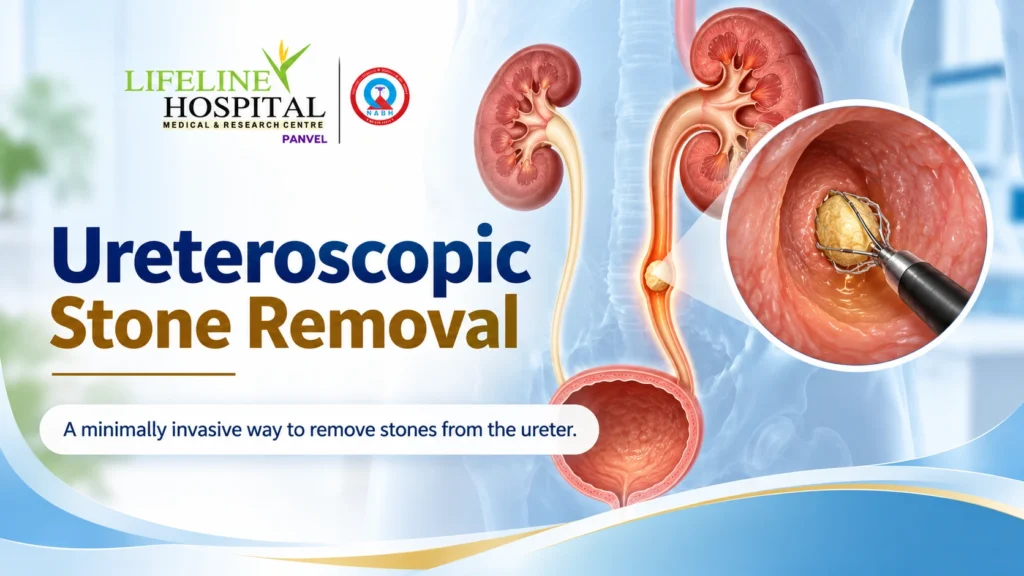
Blog Ureteroscopic Stone Removal: Procedure, Risks and Recovery Urinary stones can develop in the kidneys and move into the ureters, the narrow tubes that carry urine from the kidneys to the bladder. Depending on their size and location, these stones may cause pain, blood in the urine or difficulty passing urine. Some stones pass naturally, while others may require a medical procedure. Ureteroscopic stone removal is a minimally invasive procedure used to treat stones in the ureter and, in selected cases, the kidney. A doctor uses a thin instrument called a ureteroscope to locate the stone and remove it or break it into smaller pieces. The appropriate treatment depends on the patient’s condition and the findings of medical investigations. What Is Ureteroscopic Stone Removal? Ureteroscopic stone removal is a procedure in which a doctor passes a thin viewing instrument through the urethra and bladder into the ureter. The instrument has a camera that helps locate the stone without requiring an external surgical incision. Depending on the stone’s size and location, the doctor may remove it with a small retrieval device or use a laser to break it into smaller fragments. Some fragments are removed during the procedure, while others may pass naturally in the urine. The technique used depends on the individual case. When Is Ureteroscopy Recommended? A doctor may consider ureteroscopy when a stone is unlikely to pass naturally, causes persistent symptoms, obstructs urine flow or has not responded to an appropriate treatment approach. It may also be considered when other stone treatments are unsuitable. The decision depends on the stone’s size, location, number and characteristics, along with the patient’s medical history and overall health. Not every urinary stone requires surgery. Some can be managed with observation, pain relief and medical guidance. A urinary stone associated with infection and obstruction may require urgent medical attention. Fever, chills, severe pain or an inability to pass urine should not be ignored. What Preparation Is Needed Before Ureteroscopy? Preparation depends on the patient’s medical history and the type of anaesthesia planned. The doctor may recommend urine and blood tests, imaging and a review of current medicines. Patients should follow the medical team’s instructions about fasting and whether any medicines need adjustment. Inform the doctor about existing health conditions, allergies and medicines or supplements being taken. How Is the Ureteroscopic Stone Removal Procedure Performed? The procedure is generally performed under anaesthesia. The doctor guides the ureteroscope through the urinary passage to reach the stone. A laser may be used to break the stone into smaller fragments, which can then be removed or allowed to pass naturally, as appropriate. A temporary ureteral stent may be placed in some cases to help urine drain from the kidney into the bladder. Whether a stent is needed depends on factors such as swelling, the complexity of the procedure and urine drainage. The patient is monitored afterwards, and discharge arrangements depend on recovery and clinical assessment. Is Ureteroscopic Stone Removal Painful? Anaesthesia is used to prevent pain during the procedure. Some discomfort may occur afterwards, including mild burning during urination, frequent urination, blood in the urine or pain around the lower abdomen or side. A ureteral stent can sometimes cause urinary urgency or discomfort, particularly during urination. The severity and duration of symptoms vary. The treating doctor may recommend suitable pain relief and provide instructions for managing discomfort at home. What Are the Possible Risks? Ureteroscopy is commonly used to manage urinary stones, but it is not free of risks. Possible complications include urinary tract infection, bleeding, injury to the ureter, temporary swelling and residual stone fragments. Occasionally, further treatment may be necessary if the stone cannot be completely cleared in one procedure. The likelihood of complications depends on individual health factors and the complexity of the stone. Discuss the expected benefits, alternatives and potential risks with the treating doctor before deciding on treatment. For information about urinary stone evaluation and treatment options, consult a qualified medical practitioner. Make Appointment How Long Does Recovery Take? Recovery varies according to the procedure performed, the patient’s health and whether a stent has been inserted. Some patients return home on the same day, while others may need additional observation. Mild urinary discomfort or blood in the urine can occur for a short time after treatment. Patients should follow the prescribed medication schedule, drink fluids as advised and return to normal activities according to their doctor’s instructions. Strenuous activities may need to be avoided temporarily. What Should You Expect After the Procedure? After ureteroscopy, patients may experience temporary burning during urination, mild discomfort or some blood in the urine. These symptoms may settle as recovery progresses. Follow the prescribed medication and fluid-intake instructions, and attend any recommended follow-up appointments. If a ureteral stent has been placed, make sure its planned removal or replacement date is confirmed. Seek urgent medical attention for fever, chills, severe or increasing pain, heavy bleeding, repeated vomiting or an inability to pass urine. Can Urinary Stones Return After Treatment? Yes. Removing a stone does not necessarily prevent new stones from forming. The risk of recurrence depends on factors such as the type of stone, fluid intake, dietary habits, family history and certain medical conditions. A doctor may recommend stone analysis or additional investigations to assess the cause. Depending on the findings, preventive measures may include maintaining adequate fluid intake, adjusting dietary habits and treating underlying medical conditions. Dietary changes should be tailored to the type of stone and the patient’s health rather than following a restrictive diet without medical guidance. How Can You Reduce the Risk of Future Urinary Stones? Preventive measures depend on the type of stone and the factors that contributed to its formation. Drinking enough fluids, where medically appropriate, may help reduce the risk of certain stones. A doctor may also recommend dietary adjustments or further testing based on stone analysis and medical history. Avoid restrictive diets or supplements intended to prevent stones without seeking appropriate medical advice. What Follow-Up Care Is Needed? Follow-up