Health care with human touch

Frequently Asked Questions - Lifeline Hospital in Navi Mumbai

What does cardiac mean?

Cardiac means anything related to the heart. It refers to the heart, its functions, and its health. Any medical condition or treatment related to the heart is called cardiac. 

Common warning signs of heart disease include chest pain or discomfort, shortness of breath, unusual fatigue, irregular heartbeat, and dizziness. These symptoms should not be ignored. Consult a healthcare professional for proper evaluation and timely treatment.

Infertility can be caused by various factors, including hormonal imbalances, ovulation problems, blocked fallopian tubes, poor sperm quality, age-related factors, and certain medical conditions. Both male and female factors can contribute to infertility. Early diagnosis and proper medical guidance can help identify the cause and explore suitable treatment options.
General Medicine is a branch of healthcare that focuses on diagnosing, treating, and preventing various common illnesses and medical conditions in adults. It includes managing conditions such as fever, infections, diabetes, high blood pressure, and other health problems.

No, nephrology and dialysis are not the same. Nephrology is a medical specialty that deals with kidney health and diseases, while dialysis is a treatment that helps remove waste and excess fluids from the blood when the kidneys are not functioning properly.

A typical hemodialysis session takes around 3–5 hours, usually three times a week. The duration may vary depending on the patient’s kidney condition, treatment plan, and medical needs.

The first stage of dialysis involves assessing the patient’s kidney function and overall health. The doctor then prepares the patient for treatment, which may include placing a vascular access for hemodialysis or a catheter for peritoneal dialysis. 


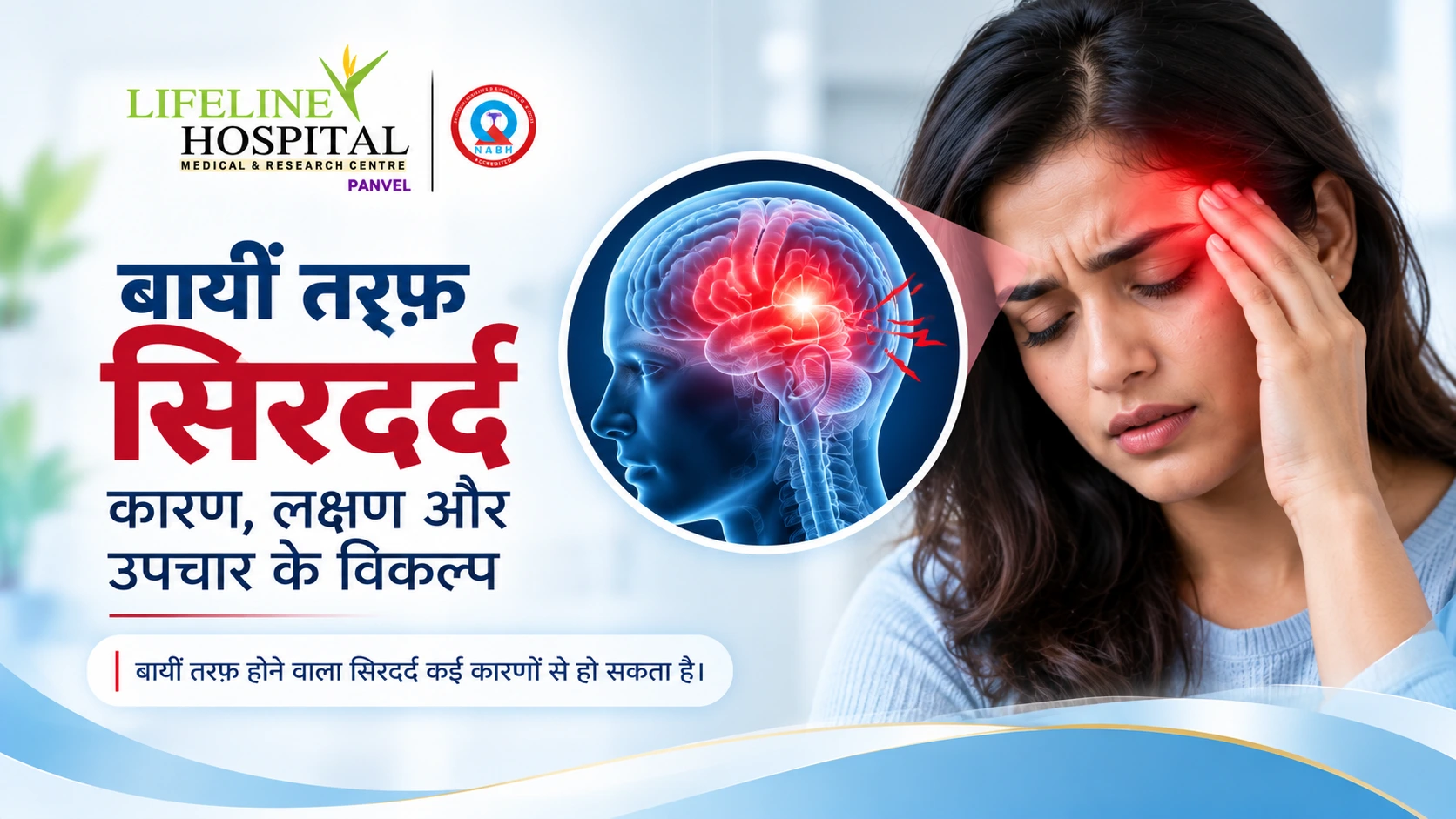
A neurologist is a doctor who specializes in diagnosing and treating disorders of the brain, spinal cord, and nervous system. They treat conditions such as migraines, epilepsy, stroke, Parkinson’s disease, and nerve-related problems.

Laparoscopic surgery usually causes less pain than traditional open surgery because it involves small incisions. Patients may experience mild abdominal pain, bloating, or shoulder discomfort for a few days after the procedure. Pain is generally manageable with prescribed medication and proper rest.

Recovery from laparoscopic surgery usually takes 1–2 weeks, depending on the type of procedure and the patient’s health. Most patients can resume light activities within a few days, while complete recovery may take longer. Always follow your doctor’s instructions for a safe recovery. 

Book An Appointment

Get In Touch

Get call back in 30 minutes

Get Call Back In 30 Min