
Pregnancy Care: Stages, Tests and Antenatal Check-ups
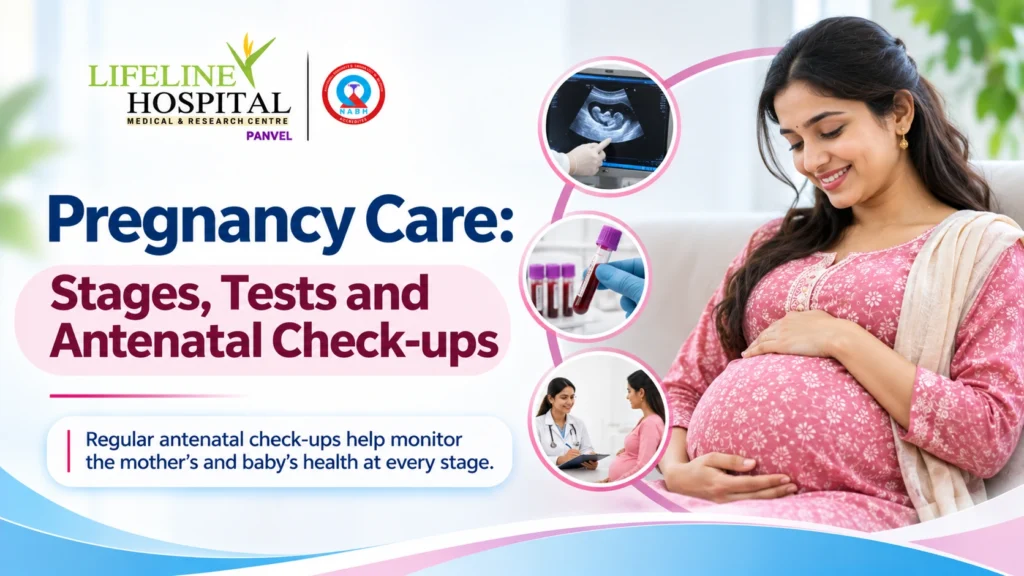
Pregnancy Care: Stages, Tests and Antenatal Check-ups Pregnancy is a significant stage in a woman’s life that requires appropriate medical care, regular health assessments and preparation for childbirth. During pregnancy, the mother’s body undergoes several physical and hormonal changes to support the development of the baby. Proper pregnancy care helps monitor these changes, assess fetal growth and identify potential complications that may require medical attention. At Lifeline Hospital Panvel, obstetrics and gynecology services address pregnancy-related healthcare needs through medical assessment, antenatal monitoring and guidance based on individual circumstances. Understanding the stages of pregnancy, recommended tests and the importance of regular antenatal check-ups can help expectant mothers make informed decisions throughout their pregnancy. What Is Pregnancy Care? Pregnancy care, also called antenatal or prenatal care, refers to medical supervision provided from early pregnancy until childbirth. It includes consultations, recommended investigations, monitoring of maternal health and assessment of the baby’s development. The purpose of antenatal care is to identify health concerns early, review existing medical conditions and guide expectant mothers through the changes associated with pregnancy. The frequency of appointments depends on the mother’s health, pregnancy stage and any complications or risk factors. During consultations, women can discuss nutrition, physical activity, supplements, medications, vaccination recommendations and preparations for delivery. The healthcare team may also recommend additional monitoring when a pregnancy requires closer supervision. Understanding the Three Stages of Pregnancy Pregnancy generally lasts around 40 weeks, calculated from the first day of the last menstrual period. It is divided into three trimesters, each involving different developmental changes and healthcare requirements. First Trimester: Weeks 1–12 The first trimester is the early stage of pregnancy, when the baby’s major organs and body structures begin developing. Hormonal changes may cause nausea, vomiting, fatigue, breast tenderness and frequent urination. These symptoms vary from woman to woman. An early antenatal consultation helps review medical history, confirm the pregnancy and estimate gestational age. Depending on the timing and clinical requirements, the healthcare professional may recommend blood tests, urine tests and an ultrasound examination. This stage is also important for reviewing existing health conditions and medications. Folic acid supplementation is generally recommended before conception and during early pregnancy, with the appropriate dose determined according to individual requirements. Heavy vaginal bleeding, severe abdominal pain, fainting or persistent vomiting that prevents adequate fluid intake requires prompt medical assessment. Second Trimester: Weeks 13–27 During the second trimester, some early pregnancy symptoms may improve, although every pregnancy is different. The baby continues growing, and fetal movements may become noticeable during this period. Antenatal consultations usually involve reviewing the mother’s health, monitoring blood pressure and assessing fetal growth when appropriate. An ultrasound examination to assess fetal anatomy is commonly offered around 18–22 weeks, depending on clinical guidance and individual circumstances. Screening for gestational diabetes is commonly performed between 24 and 28 weeks, although earlier testing may be recommended for some women. Blood tests may also be advised to assess anaemia or investigate other health concerns. Third Trimester: Week 28 Until Birth The third trimester focuses on monitoring the mother’s health, assessing the baby’s growth and preparing for delivery. Antenatal visits may become more frequent as the expected delivery date approaches. During this stage, healthcare professionals may assess fetal position, review symptoms and discuss the birth plan. Additional investigations or monitoring may be recommended if the mother has high blood pressure, diabetes, concerns about fetal growth or other medical conditions. Pregnant women should seek prompt medical assessment for heavy bleeding, severe headache with visual changes, difficulty breathing, severe abdominal pain or reduced fetal movement when movements are normally being monitored. Important Tests During Pregnancy Pregnancy tests help assess maternal health and identify certain conditions that may affect the pregnancy. The recommended investigations depend on gestational age, medical history, clinical findings and applicable screening guidelines. Blood Tests Blood tests may assess haemoglobin levels, blood group and Rh status. Screening for selected infections and other conditions may also be recommended. Additional testing may be necessary when medical history or initial results indicate a potential concern. Urine Tests Urine testing can help identify urinary tract infections and assess findings such as protein in the urine when clinically relevant. The healthcare professional determines the appropriate tests according to the patient’s symptoms and pregnancy-related needs. Ultrasound Scans Ultrasound examinations use sound waves to assess the pregnancy. Depending on the stage, an ultrasound may help estimate gestational age, assess fetal development, examine anatomy, evaluate placental location or monitor growth. Gestational Diabetes Screening Gestational diabetes is a condition involving elevated blood glucose first recognised during pregnancy. Screening is commonly recommended between 24 and 28 weeks, although some women may need earlier assessment. When gestational diabetes is diagnosed, management may include dietary guidance, physical activity, glucose monitoring and medication when required. Regular follow-up helps the healthcare team assess maternal health and determine whether additional monitoring is necessary. Why Are Regular Antenatal Check-ups Important? Regular antenatal check-ups allow healthcare professionals to follow the progress of pregnancy and identify concerns that may not produce obvious symptoms. These appointments provide opportunities to review test results, monitor blood pressure, assess fetal growth and discuss any new symptoms. They also help expectant mothers receive guidance about balanced nutrition, appropriate supplements, recommended vaccinations and preparation for childbirth. Women can discuss questions about daily activities, sleep, exercise and other changes affecting their well-being. The schedule of antenatal visits should be based on individual medical needs. Pregnancies involving certain health conditions or previous complications may require additional consultations and investigations. Consult your obstetrician regularly for pregnancy care and guidance tailored to your health needs. Make Appointment Healthy Habits During Pregnancy A balanced diet containing vegetables, fruits, whole grains and suitable sources of protein can help meet nutritional needs during pregnancy. Adequate hydration and appropriate physical activity, when medically suitable, also support general well-being. Healthcare professionals may recommend supplements such as folic acid, iron or calcium depending on the stage of pregnancy and individual requirements. Pregnant women should discuss medicines and supplements with their healthcare professional before starting or stopping them. Avoiding