

बायीं तरफ़ सिरदर्द: कारण, लक्षण और उपचार के विकल्प
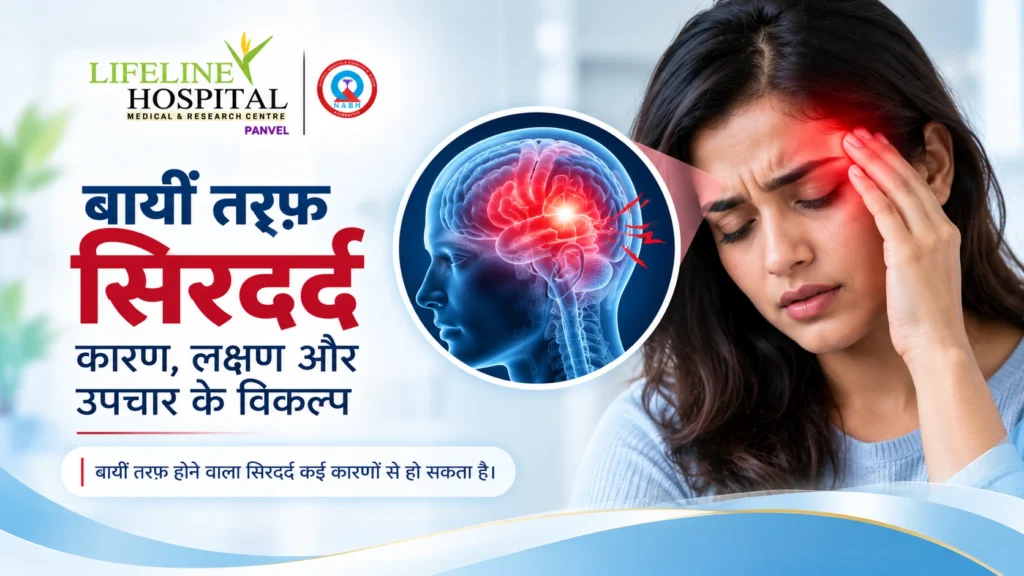
Blog बायीं तरफ़ सिरदर्द: कारण, लक्षण और उपचार के विकल्प सिर के बायीं तरफ़ दर्द होना एक आम समस्या है, लेकिन इसके पीछे कई अलग-अलग कारण हो सकते हैं। कुछ लोगों को हल्का दर्द महसूस होता है, जबकि कुछ को तेज़ धड़कन जैसा दर्द, आंख के आसपास दबाव या सिर में भारीपन महसूस हो सकता है। यह दर्द कुछ समय में ठीक हो सकता है या बार-बार परेशान कर सकता है। कई बार इसकी वजह तनाव, नींद की कमी या माइग्रेन जैसी समस्या होती है। वहीं, कुछ स्थितियों में सिरदर्द किसी गंभीर स्वास्थ्य समस्या का संकेत भी हो सकता है। इसलिए दर्द की तीव्रता, अवधि और उसके साथ दिखाई देने वाले अन्य लक्षणों पर ध्यान देना जरूरी है। सही कारण का पता चलने पर उचित उपचार चुनना आसान होता है। बायीं तरफ़ सिरदर्द होने के सामान्य कारण क्या हैं? सिर के एक तरफ़ दर्द होने के पीछे जीवनशैली से जुड़े कारणों से लेकर कुछ चिकित्सीय स्थितियां तक हो सकती हैं। दर्द के स्थान से ही हमेशा उसके सही कारण का पता नहीं चलता। इसके लिए अन्य लक्षणों और व्यक्ति की स्वास्थ्य संबंधी जानकारी को भी समझना जरूरी होता है। माइग्रेन माइग्रेन सिर के एक तरफ़ होने वाले दर्द का एक प्रमुख कारण है। इसमें अक्सर सिर के एक हिस्से में धड़कन जैसा मध्यम से तेज़ दर्द होता है। यह दर्द कुछ घंटों से लेकर कई दिनों तक रह सकता है। इसके साथ मतली, उल्टी, रोशनी या तेज़ आवाज़ से परेशानी भी हो सकती है। शारीरिक गतिविधि करने से दर्द बढ़ सकता है। हालांकि, हर व्यक्ति में माइग्रेन के लक्षण एक जैसे नहीं होते और कुछ लोगों को दोनों तरफ़ भी दर्द हो सकता है। तनाव और मांसपेशियों में खिंचाव मानसिक तनाव, चिंता, लंबे समय तक कंप्यूटर या मोबाइल का इस्तेमाल और गलत तरीके से बैठने के कारण गर्दन तथा कंधों की मांसपेशियों में खिंचाव हो सकता है। इससे सिर में दबाव या कसाव जैसा दर्द महसूस हो सकता है। तनाव से जुड़ा सिरदर्द आमतौर पर दोनों तरफ़ होता है, लेकिन कभी-कभी एक तरफ़ अधिक महसूस हो सकता है। पर्याप्त आराम न करना और लगातार काम करते रहना इस परेशानी को बढ़ा सकता है। साइनस या आंखों से जुड़ी समस्या साइनस में सूजन या संक्रमण होने पर माथे, गालों और आंखों के आसपास दबाव या दर्द महसूस हो सकता है। यदि यह परेशानी मुख्य रूप से बायीं तरफ़ हो, तो सिर के उस हिस्से में भी दर्द महसूस हो सकता है। नाक बंद होना, नाक बहना और चेहरे पर दबाव इसके साथ दिखाई दे सकते हैं। आंखों पर अधिक जोर पड़ने, चश्मे के गलत नंबर या लंबे समय तक स्क्रीन देखने से भी सिरदर्द हो सकता है। हालांकि, आंख में अचानक तेज़ दर्द, लालिमा या धुंधला दिखाई देना किसी गंभीर समस्या का संकेत हो सकता है और ऐसी स्थिति में तुरंत चिकित्सकीय सहायता लेनी चाहिए। इसके अलावा, नींद की कमी, भोजन देर से करना, शरीर में पानी की कमी और कैफीन की मात्रा में अचानक बदलाव भी सिरदर्द को बढ़ा सकते हैं। बायीं तरफ़ सिरदर्द के साथ कौन-कौन से लक्षण दिखाई दे सकते हैं? सिरदर्द के साथ दिखाई देने वाले लक्षण उसके संभावित कारण को समझने में मदद कर सकते हैं। हर व्यक्ति में लक्षण अलग-अलग हो सकते हैं। इसलिए दर्द के साथ होने वाले बदलावों पर ध्यान देना जरूरी है। सिरदर्द के साथ होने वाले सामान्य लक्षण बायीं तरफ़ सिरदर्द होने पर कुछ लोगों को सिर में भारीपन, दबाव, धड़कन जैसा दर्द या गर्दन में अकड़न महसूस हो सकती है। माइग्रेन होने पर मतली, उल्टी, रोशनी और आवाज़ के प्रति संवेदनशीलता भी हो सकती है। कुछ लोगों को थकान, चक्कर जैसा महसूस होना या ध्यान लगाने में परेशानी होती है। यदि सिरदर्द के साथ बुखार, गर्दन में अकड़न, लगातार उल्टी, देखने में परेशानी या शरीर के किसी हिस्से में कमजोरी हो, तो इसे सामान्य सिरदर्द मानकर नजरअंदाज नहीं करना चाहिए। दर्द के स्वरूप से क्या संकेत मिल सकता है? दर्द की प्रकृति उसके संभावित कारण के बारे में कुछ जानकारी दे सकती है। धड़कन जैसा दर्द माइग्रेन में देखा जा सकता है, जबकि सिर पर कसाव या दबाव जैसा दर्द तनाव से जुड़े सिरदर्द में हो सकता है। आंख के आसपास बहुत तेज़ दर्द, खासकर आंख से पानी आने या नाक बंद होने के साथ, क्लस्टर सिरदर्द जैसी स्थिति में दिखाई दे सकता है। हालांकि, केवल दर्द के स्वरूप या उसके स्थान के आधार पर किसी बीमारी की पुष्टि नहीं की जा सकती। सही आकलन के लिए डॉक्टर की सलाह जरूरी है। क्या बायीं तरफ़ सिरदर्द माइग्रेन का संकेत है? बायीं तरफ़ सिरदर्द माइग्रेन का संकेत हो सकता है, लेकिन हर बार इसका कारण माइग्रेन ही हो, यह जरूरी नहीं है। माइग्रेन एक न्यूरोलॉजिकल स्थिति है, जिसमें सिरदर्द के साथ कई अन्य लक्षण भी दिखाई दे सकते हैं। यदि दर्द बार-बार होता है, सामान्य कामकाज प्रभावित करता है या रोशनी और आवाज़ से परेशानी होती है, तो डॉक्टर से परामर्श लेना उचित है। माइग्रेन और सामान्य सिरदर्द में अंतर सामान्य तनाव संबंधी सिरदर्द में अक्सर सिर के दोनों तरफ़ दबाव या कसाव महसूस होता है। इसके विपरीत, माइग्रेन में दर्द अक्सर एक तरफ़ होता है और उसकी तीव्रता मध्यम से गंभीर हो सकती है। माइग्रेन के दौरान मतली, उल्टी और रोशनी या आवाज़ से परेशानी अधिक आम है। हालांकि, लक्षणों में समानता हो सकती है, इसलिए केवल इन अंतर के आधार पर स्वयं निदान नहीं करना चाहिए। माइग्रेन को बढ़ाने वाले कारण कुछ परिस्थितियां माइग्रेन के दौरे को बढ़ा सकती हैं। इनमें अनियमित नींद, भोजन छोड़ना, तनाव, शरीर में पानी की कमी, तेज़ रोशनी, तेज़ गंध और कुछ खाद्य पदार्थ शामिल हो सकते हैं। हार्मोनल बदलाव भी कुछ लोगों में माइग्रेन को प्रभावित करते हैं। हर व्यक्ति के ट्रिगर अलग हो सकते हैं। सिरदर्द की डायरी रखने से यह समझने में मदद मिल सकती है कि किन परिस्थितियों में दर्द अधिक होता है। बायीं तरफ़ सिरदर्द के कारणों की पहचान और सही उपचार के लिए समय पर चिकित्सकीय सलाह लें। Make Appointment बायीं तरफ़ सिरदर्द कब गंभीर हो सकता है? अधिकतर सिरदर्द गंभीर बीमारी के कारण नहीं होते, लेकिन कुछ लक्षण तत्काल चिकित्सा सहायता की जरूरत बताते हैं। विशेष
What Is Open Heart Surgery & When Is It Needed?

Blog What Is Open Heart Surgery & When Is It Needed? Open heart surgery is a major operation used to treat certain heart conditions when medication or less invasive procedures may not be sufficient. It can help address problems involving the heart’s arteries, valves or other structures. The type of surgery depends on the patient’s condition, overall health and medical test results. Knowing why this procedure is recommended, how it is performed and what recovery involves can help patients and their families prepare for discussions with their treating doctor. What Is Open Heart Surgery? Open heart surgery is an operation in which a surgeon opens the chest to access the heart and perform the required treatment. In many traditional procedures, the breastbone is opened to reach the heart. Depending on the operation, a heart-lung machine may be used to maintain blood circulation and oxygen supply while the surgeon works on the heart. This surgery may involve repairing or replacing heart valves, improving blood flow through blocked coronary arteries or correcting certain structural heart problems. Not every open heart operation requires the heart to be stopped, and some procedures can be performed while it continues beating. The surgical approach depends on the specific condition and treatment plan. When Is Open Heart Surgery Needed? Open heart surgery may be recommended when a heart condition requires surgical correction and other treatment options are unsuitable or insufficient. The decision is based on the severity of the condition, symptoms, investigation results and potential benefits and risks of surgery. Coronary Artery Disease Coronary artery disease occurs when the blood vessels supplying the heart become narrowed or blocked, often because of fatty deposits. Coronary artery bypass grafting (CABG) may be recommended in selected cases to create an alternative route for blood to reach the heart muscle. Heart Valve Problems Heart valves control the direction of blood flow through the heart. If a valve becomes significantly narrowed or fails to close properly, it can affect the heart’s functioning. Surgery may be required to repair or replace the affected valve, depending on the type and severity of the problem. Congenital Heart Defects Some people are born with structural abnormalities in the heart. Certain defects, such as particular holes between heart chambers or complex structural problems, may require surgical correction. The need and timing of surgery depend on the specific defect and its effect on heart function. Other Heart Conditions Open heart surgery may also be used for selected conditions involving the aorta, heart tumours or other structural abnormalities. However, not every heart condition requires open surgery. A specialist evaluates the available treatment options before recommending an appropriate procedure. Prioritise your heart health by discussing symptoms, diagnosis and appropriate treatment options with a qualified heart specialist. Make Appointment How Is Open Heart Surgery Performed? The process begins with a medical assessment, which may include blood tests, an electrocardiogram (ECG), an echocardiogram and other investigations based on the patient’s condition. These tests help the medical team evaluate heart function and plan the procedure. The operation is performed under general anaesthesia, so the patient is unconscious during surgery. In many traditional procedures, the surgeon opens the chest to access the heart. A heart-lung machine may be used when required. The surgeon then performs the planned repair, replacement or bypass procedure before closing the surgical incision. The duration of surgery varies according to its complexity and the patient’s medical condition. After the operation, the patient is monitored closely in a recovery area or intensive care unit before moving to a regular hospital room when clinically appropriate. What Are the Risks of Open Heart Surgery? Like other major operations, open heart surgery carries potential risks. These may include bleeding, infection, irregular heart rhythms, blood clots, stroke, kidney complications or reactions to anaesthesia. The risk varies depending on the type of surgery, age, existing medical conditions and overall health. The treating team assesses these factors before surgery and discusses the expected benefits, alternatives and possible complications with the patient. Following medical instructions before and after the procedure can support safe care, but no operation is entirely free of risk. How Long Does Recovery Take After Open Heart Surgery? Recovery differs from one patient to another. The hospital stay may last several days or longer, depending on the operation and progress after surgery. Recovery at home can take several weeks, while some patients may need a few months to regain strength and resume their usual activities. During recovery, patients should follow instructions regarding wound care, medication, physical activity and follow-up appointments. Cardiac rehabilitation may be recommended to support gradual improvement in physical fitness and heart health. Heavy lifting, driving and returning to work should be guided by the treating team rather than a fixed timeline. Patients should contact their medical team if they experience concerning symptoms during recovery. Severe chest pain, sudden breathlessness, fainting or signs of stroke require emergency medical attention. Is Open Heart Surgery Always Necessary for Heart Problems? No, open heart surgery is not necessary for every heart condition. Some problems can be managed with medication, lifestyle changes, catheter-based procedures or other less invasive treatments. For example, selected patients may be suitable for angioplasty or minimally invasive valve procedures, depending on their diagnosis and clinical circumstances. The appropriate treatment depends on the affected part of the heart, the severity of the condition and the patient’s overall health. A qualified medical team evaluates the available options and explains why a particular approach may be suitable. Conclusion Open heart surgery is used to treat selected heart conditions involving blocked arteries, damaged valves and structural abnormalities. The need for surgery depends on an individual’s diagnosis, medical assessment and available treatment options. Understanding the procedure, its potential risks and the recovery process helps patients make informed decisions with their treating team. FAQs Is open heart surgery a major operation? Yes. Open heart surgery is generally considered major surgery because it involves accessing the heart through the chest. The complexity, risks and recovery period depend on the
डेंगू के लक्षण

Blog डेंगू के लक्षण: शुरुआती संकेत, गंभीर लक्षण और कब डॉक्टर को दिखाएं डेंगू एक वायरल संक्रमण है, जो संक्रमित एडीज मच्छर के काटने से फैलता है। इसकी शुरुआत अक्सर तेज बुखार, सिरदर्द और शरीर में दर्द जैसे लक्षणों से होती है। समय पर लक्षणों की पहचान करना जरूरी है, क्योंकि कुछ मामलों में डेंगू गंभीर रूप ले सकता है। इस लेख में जानिए डेंगू के शुरुआती संकेत, गंभीर लक्षण, जांच और बचाव के जरूरी उपाय। डेंगू के शुरुआती लक्षण क्या होते हैं? डेंगू मच्छरों से फैलने वाला एक वायरल संक्रमण है, जो संक्रमित एडीज मच्छर के काटने से होता है। यह बीमारी अक्सर अचानक तेज बुखार के साथ शुरू होती है। शुरुआत में इसके लक्षण सामान्य वायरल बुखार जैसे लग सकते हैं, इसलिए कई बार लोग इन्हें पहचान नहीं पाते। हालांकि, कुछ लक्षण ऐसे होते हैं जिन पर ध्यान देना जरूरी है। डेंगू के शुरुआती लक्षणों में तेज बुखार, सिरदर्द, आंखों के पीछे दर्द, मांसपेशियों और जोड़ों में दर्द, थकान और मतली शामिल हो सकते हैं। कुछ लोगों को त्वचा पर लाल चकत्ते भी दिखाई देते हैं। हर व्यक्ति में लक्षण एक जैसे नहीं होते। बच्चों और पहले से किसी बीमारी से पीड़ित लोगों में लक्षणों पर विशेष ध्यान देना चाहिए। डेंगू के सामान्य लक्षण डेंगू होने पर शरीर में कई तरह के बदलाव महसूस हो सकते हैं। इसके सामान्य लक्षणों में शामिल हैं: अचानक तेज बुखार आना तेज सिरदर्द होना आंखों के पीछे दर्द महसूस होना मांसपेशियों और जोड़ों में दर्द होना शरीर में कमजोरी और थकान रहना जी मिचलाना या उल्टी होना भूख कम लगना त्वचा पर लाल चकत्ते दिखाई देना कुछ लोगों में हल्के लक्षण होते हैं, जबकि दूसरों को अधिक परेशानी हो सकती है। केवल इन लक्षणों के आधार पर डेंगू की पुष्टि नहीं की जा सकती। यदि तेज बुखार के साथ शरीर में दर्द या अन्य लक्षण दिखाई दें, तो डॉक्टर से सलाह लेना उचित है। डेंगू के लक्षण कितने दिन बाद दिखाई देते हैं? संक्रमित मच्छर के काटने के बाद डेंगू के लक्षण आमतौर पर 4 से 10 दिनों के भीतर दिखाई देने लगते हैं। कुछ लोगों में लक्षण हल्के हो सकते हैं, जबकि कुछ लोगों को तेज बुखार और शरीर में दर्द जैसी समस्याएं होती हैं। कई संक्रमित लोगों में स्पष्ट लक्षण दिखाई भी नहीं देते। लक्षण दिखाई देने के बाद बीमारी के दौरान शरीर की स्थिति पर नजर रखना जरूरी है। खासकर बुखार कम होने के समय यह मान लेना सही नहीं है कि बीमारी पूरी तरह ठीक हो गई है। कुछ मरीजों में इसी समय गंभीर चेतावनी संकेत सामने आ सकते हैं। दिन के अनुसार डेंगू के लक्षण कैसे बदल सकते हैं? डेंगू के लक्षण बीमारी के अलग-अलग चरणों में बदल सकते हैं। हर मरीज में इनका समय और तीव्रता समान नहीं होती, लेकिन सामान्य रूप से बीमारी को इस तरह समझा जा सकता है। शुरुआती दिनों में क्या लक्षण दिखाई देते हैं? बीमारी के शुरुआती चरण में अचानक बुखार, सिरदर्द, आंखों के पीछे दर्द, मांसपेशियों में दर्द और कमजोरी महसूस हो सकती है। कुछ मरीजों को मतली, उल्टी या त्वचा पर चकत्ते भी होते हैं। इस दौरान पर्याप्त आराम करना और डॉक्टर की सलाह के अनुसार जांच करवाना जरूरी है। बुखार कम होने के बाद क्या होता है? डेंगू में बुखार अक्सर कुछ दिनों तक रहता है और लगभग 2 से 7 दिनों में कम हो सकता है। लेकिन बुखार उतरने के बाद भी मरीज की स्थिति पर ध्यान देना जरूरी है। बीमारी का गंभीर चरण अक्सर बुखार कम होने के आसपास शुरू हो सकता है और अगले 24 से 48 घंटे महत्वपूर्ण होते हैं। इस दौरान पेट में तेज दर्द, लगातार उल्टी, नाक या मसूड़ों से खून आना, असामान्य सुस्ती या सांस लेने में परेशानी जैसे लक्षण दिखाई दें, तो तुरंत चिकित्सा सहायता लें। बुखार कम होना हमेशा ठीक होने का संकेत नहीं होता। डेंगू के गंभीर लक्षण कौन से हैं? कुछ मामलों में डेंगू गंभीर रूप ले सकता है। ऐसी स्थिति में शरीर से तरल पदार्थ का रिसाव, रक्तस्राव या अंगों के कामकाज में परेशानी हो सकती है। समय पर उपचार न मिलने पर यह स्थिति जानलेवा भी हो सकती है। किन लक्षणों को चेतावनी संकेत माना जाता है? डेंगू के कुछ लक्षणों को गंभीर चेतावनी संकेत माना जाता है। इनमें पेट में तेज दर्द, लगातार उल्टी, नाक या मसूड़ों से खून आना, उल्टी या मल में खून दिखाई देना, सांस लेने में परेशानी, अत्यधिक कमजोरी और बेचैनी शामिल हैं। मरीज की त्वचा ठंडी पड़ना, चक्कर आना या बेहोशी जैसी स्थिति भी गंभीर हो सकती है। गंभीर लक्षण दिखाई देने पर क्या करना चाहिए? इनमें से कोई भी चेतावनी संकेत दिखाई देने पर तुरंत अस्पताल जाएं। घर पर उपचार करके लक्षणों के ठीक होने का इंतजार न करें। मरीज को बिना डॉक्टर की सलाह के दवाएं न दें और चिकित्सा सहायता मिलने में देरी न करें। डेंगू के लक्षणों की पुष्टि कैसे की जाती है? डेंगू की पुष्टि के लिए डॉक्टर मरीज के लक्षणों, बीमारी की अवधि और शारीरिक जांच के आधार पर उचित रक्त जांच की सलाह दे सकते हैं। बीमारी के किस दिन जांच की जा रही है, इसके अनुसार जांच का प्रकार चुना जाता है। डेंगू के लक्षण दिखने पर सही जांच और उपचार के लिए लाइफलाइन अस्पताल से संपर्क करें। Make Appointment क्या केवल लक्षणों से डेंगू की पुष्टि हो सकती है? नहीं, केवल लक्षणों से डेंगू की पुष्टि नहीं की जा सकती। तेज बुखार, शरीर में दर्द और सिरदर्द मलेरिया, चिकनगुनिया तथा अन्य संक्रमणों में भी हो सकते हैं। इसलिए सही निदान के लिए डॉक्टर की सलाह और आवश्यक जांच महत्वपूर्ण हैं। डेंगू की जांच कब करवानी चाहिए? तेज बुखार के साथ डेंगू के संभावित लक्षण दिखाई देने पर डॉक्टर से संपर्क करें। बीमारी के शुरुआती दिनों में एनएस1 एंटीजन या पीसीआर जांच उपयोगी हो सकती है, जबकि बाद के चरण में एंटीबॉडी जांच की सलाह दी जा सकती है। जांच का सही समय और प्रकार डॉक्टर तय करते हैं। जरूरत पड़ने पर प्लेटलेट काउंट और हेमेटोक्रिट की भी जांच की जाती है। डेंगू के लक्षण होने पर घर पर क्या सावधानी रखें? डेंगू के हल्के मामलों में डॉक्टर की निगरानी
Ureteroscopic Stone Removal
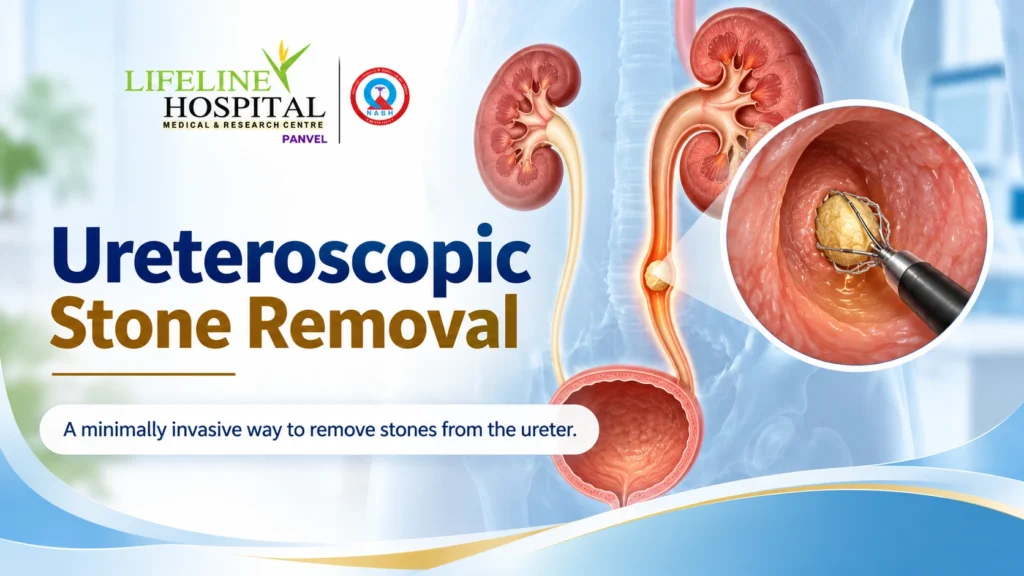
Blog Ureteroscopic Stone Removal: Procedure, Risks and Recovery Urinary stones can develop in the kidneys and move into the ureters, the narrow tubes that carry urine from the kidneys to the bladder. Depending on their size and location, these stones may cause pain, blood in the urine or difficulty passing urine. Some stones pass naturally, while others may require a medical procedure. Ureteroscopic stone removal is a minimally invasive procedure used to treat stones in the ureter and, in selected cases, the kidney. A doctor uses a thin instrument called a ureteroscope to locate the stone and remove it or break it into smaller pieces. The appropriate treatment depends on the patient’s condition and the findings of medical investigations. What Is Ureteroscopic Stone Removal? Ureteroscopic stone removal is a procedure in which a doctor passes a thin viewing instrument through the urethra and bladder into the ureter. The instrument has a camera that helps locate the stone without requiring an external surgical incision. Depending on the stone’s size and location, the doctor may remove it with a small retrieval device or use a laser to break it into smaller fragments. Some fragments are removed during the procedure, while others may pass naturally in the urine. The technique used depends on the individual case. When Is Ureteroscopy Recommended? A doctor may consider ureteroscopy when a stone is unlikely to pass naturally, causes persistent symptoms, obstructs urine flow or has not responded to an appropriate treatment approach. It may also be considered when other stone treatments are unsuitable. The decision depends on the stone’s size, location, number and characteristics, along with the patient’s medical history and overall health. Not every urinary stone requires surgery. Some can be managed with observation, pain relief and medical guidance. A urinary stone associated with infection and obstruction may require urgent medical attention. Fever, chills, severe pain or an inability to pass urine should not be ignored. What Preparation Is Needed Before Ureteroscopy? Preparation depends on the patient’s medical history and the type of anaesthesia planned. The doctor may recommend urine and blood tests, imaging and a review of current medicines. Patients should follow the medical team’s instructions about fasting and whether any medicines need adjustment. Inform the doctor about existing health conditions, allergies and medicines or supplements being taken. How Is the Ureteroscopic Stone Removal Procedure Performed? The procedure is generally performed under anaesthesia. The doctor guides the ureteroscope through the urinary passage to reach the stone. A laser may be used to break the stone into smaller fragments, which can then be removed or allowed to pass naturally, as appropriate. A temporary ureteral stent may be placed in some cases to help urine drain from the kidney into the bladder. Whether a stent is needed depends on factors such as swelling, the complexity of the procedure and urine drainage. The patient is monitored afterwards, and discharge arrangements depend on recovery and clinical assessment. Is Ureteroscopic Stone Removal Painful? Anaesthesia is used to prevent pain during the procedure. Some discomfort may occur afterwards, including mild burning during urination, frequent urination, blood in the urine or pain around the lower abdomen or side. A ureteral stent can sometimes cause urinary urgency or discomfort, particularly during urination. The severity and duration of symptoms vary. The treating doctor may recommend suitable pain relief and provide instructions for managing discomfort at home. What Are the Possible Risks? Ureteroscopy is commonly used to manage urinary stones, but it is not free of risks. Possible complications include urinary tract infection, bleeding, injury to the ureter, temporary swelling and residual stone fragments. Occasionally, further treatment may be necessary if the stone cannot be completely cleared in one procedure. The likelihood of complications depends on individual health factors and the complexity of the stone. Discuss the expected benefits, alternatives and potential risks with the treating doctor before deciding on treatment. For information about urinary stone evaluation and treatment options, consult a qualified medical practitioner. Make Appointment How Long Does Recovery Take? Recovery varies according to the procedure performed, the patient’s health and whether a stent has been inserted. Some patients return home on the same day, while others may need additional observation. Mild urinary discomfort or blood in the urine can occur for a short time after treatment. Patients should follow the prescribed medication schedule, drink fluids as advised and return to normal activities according to their doctor’s instructions. Strenuous activities may need to be avoided temporarily. What Should You Expect After the Procedure? After ureteroscopy, patients may experience temporary burning during urination, mild discomfort or some blood in the urine. These symptoms may settle as recovery progresses. Follow the prescribed medication and fluid-intake instructions, and attend any recommended follow-up appointments. If a ureteral stent has been placed, make sure its planned removal or replacement date is confirmed. Seek urgent medical attention for fever, chills, severe or increasing pain, heavy bleeding, repeated vomiting or an inability to pass urine. Can Urinary Stones Return After Treatment? Yes. Removing a stone does not necessarily prevent new stones from forming. The risk of recurrence depends on factors such as the type of stone, fluid intake, dietary habits, family history and certain medical conditions. A doctor may recommend stone analysis or additional investigations to assess the cause. Depending on the findings, preventive measures may include maintaining adequate fluid intake, adjusting dietary habits and treating underlying medical conditions. Dietary changes should be tailored to the type of stone and the patient’s health rather than following a restrictive diet without medical guidance. How Can You Reduce the Risk of Future Urinary Stones? Preventive measures depend on the type of stone and the factors that contributed to its formation. Drinking enough fluids, where medically appropriate, may help reduce the risk of certain stones. A doctor may also recommend dietary adjustments or further testing based on stone analysis and medical history. Avoid restrictive diets or supplements intended to prevent stones without seeking appropriate medical advice. What Follow-Up Care Is Needed? Follow-up
थायराइड के लक्षण, कारण और जांच

Blog थायराइड के लक्षण, कारण और जांच थायराइड शरीर में मौजूद एक छोटी-सी ग्रंथि है, लेकिन इसका असर शरीर के कई महत्वपूर्ण कार्यों पर पड़ता है। यह ग्रंथि ऐसे हार्मोन बनाती है, जो शरीर के मेटाबॉलिज्म, ऊर्जा, हृदय की धड़कन, शरीर के तापमान और कई अन्य प्रक्रियाओं को नियंत्रित करने में मदद करते हैं। जब थायराइड ग्रंथि पर्याप्त मात्रा में हार्मोन नहीं बनाती या जरूरत से ज्यादा हार्मोन बनाने लगती है, तो शरीर में कई तरह के बदलाव दिखाई दे सकते हैं। थायराइड की समस्या पुरुषों और महिलाओं दोनों को हो सकती है, लेकिन महिलाओं में इसके लक्षण पीरियड्स, हार्मोनल बदलाव और उपजाऊपन को भी प्रभावित कर सकते हैं। इसलिए शुरुआती लक्षणों को समझना और समय पर जांच करवाना जरूरी है। थायराइड के शुरुआती लक्षण क्या होते हैं? थायराइड के शुरुआती लक्षण हर व्यक्ति में अलग-अलग हो सकते हैं। यह इस बात पर भी निर्भर करता है कि थायराइड हार्मोन कम बन रहा है या ज्यादा। शुरुआत में लक्षण बहुत हल्के हो सकते हैं और कई बार इन्हें सामान्य थकान या तनाव समझ लिया जाता है। लगातार थकान महसूस होना, कमजोरी, वजन में अचानक बदलाव, ठंड या गर्मी ज्यादा लगना, त्वचा में बदलाव, बाल झड़ना, कब्ज, नींद में बदलाव और मूड में उतार-चढ़ाव थायराइड की समस्या के संभावित संकेत हो सकते हैं। कुछ लोगों में गर्दन के सामने सूजन या गांठ भी दिखाई दे सकती है। यदि ऐसे लक्षण लंबे समय तक बने रहें या एक साथ कई लक्षण दिखाई दें, तो डॉक्टर से सलाह लेकर थायराइड की जांच करवाना बेहतर होता है। महिलाओं में थायराइडके कौन से लक्षण दिखाई दे सकते हैं? महिलाओं में थायराइड की समस्या के लक्षण सामान्य लक्षणों के साथ-साथ हार्मोनल बदलाव के रूप में भी दिखाई दे सकते हैं। पीरियड्स का अनियमित होना, बहुत ज्यादा या कम ब्लीडिंग होना, पीरियड्स के बीच का अंतर बदलना और गर्भधारण करने में परेशानी इसके संभावित प्रभावों में शामिल हो सकते हैं। इसके अलावा वजन बढ़ना या कम होना, बालों का झड़ना, त्वचा का रूखा होना, अत्यधिक थकान, चिड़चिड़ापन और मूड में बदलाव भी हो सकते हैं। हालांकि, इन लक्षणों का कारण हमेशा थायराइड ही हो, ऐसा जरूरी नहीं है। इसलिए केवल लक्षणों के आधार पर खुद से निष्कर्ष निकालने के बजाय उचित जांच जरूरी है। हाइपोथायरायडिज्म के लक्षण हिंदी में क्या हैं? हाइपोथायरायडिज्म में थायराइड ग्रंथि पर्याप्त मात्रा में हार्मोन नहीं बना पाती। इससे शरीर की कई प्रक्रियाएं धीमी हो सकती हैं। इस स्थिति में व्यक्ति को लगातार थकान और सुस्ती महसूस हो सकती है। हाइपोथायरायडिज्म के सामान्य लक्षणों में वजन बढ़ना, ठंड ज्यादा लगना, कब्ज, त्वचा का रूखा होना, बाल झड़ना, चेहरे पर सूजन, मांसपेशियों या जोड़ों में दर्द और ध्यान लगाने में परेशानी शामिल हो सकती है। कुछ लोगों में दिल की धड़कन सामान्य से धीमी हो सकती है और मूड में बदलाव भी महसूस हो सकता है। महिलाओं में हाइपोथायरायडिज्मपीरियड्स को प्रभावित कर सकता है और कुछ मामलों में उपजाऊपन पर भी असर पड़ सकता है। हाइपरथायरायडिज्म के लक्षण हिंदी में क्या हैं? हाइपरथायरायडिज्म में शरीर जरूरत से ज्यादा थायराइड हार्मोन बनाने लगता है। इसके कारण शरीर की कई प्रक्रियाएं सामान्य से तेज हो सकती हैं। इस स्थिति में बिना किसी खास कारण के वजन कम होना, दिल की धड़कन तेज या अनियमित होना, ज्यादा पसीना आना, गर्मी सहन न होना, हाथों में कंपन, बेचैनी और नींद में परेशानी जैसे लक्षण हो सकते हैं। कुछ लोगों को बार-बार मल त्याग की समस्या या मांसपेशियों में कमजोरी भी महसूस हो सकती है। हाइपरथायरायडिज्म में भी महिलाओं के पीरियड्स हल्के या अनियमित हो सकते हैं। आंखों से जुड़े कुछ बदलाव भी विशेष प्रकार के हाइपरथायरायडिज्म में दिखाई दे सकते हैं। थायराइड से जुड़ी समस्या के सही मूल्यांकन और उपचार के लिए Lifeline Panvel से विशेषज्ञ सलाह लें। Make Appointment क्या बदलाव से पीरियड्स और प्रजनन क्षमता प्रभावित हो सकती है? हां, रेस्ट्रॉन्ट में शामिल हार्मोन से महिलाओं के मासिक धर्म और प्रजनन क्षमता प्रभावित हो सकती है। सबसे अधिक मात्रा में हार्मोन हार्मोन के संतुलन से जुड़े होते हैं। इसलिए होइनथायरायडिज्म या हाइपरथायरायडिज्म की स्थिति में स्टार्टअप्स की स्थिति बहुत अधिक या बहुत कम हो सकती है। अंडकोष की समस्या कुछ महिलाओं में ओव्यूलेशन को भी प्रभावित कर सकती है, जिससे अंडकोष में गड़बड़ी हो सकती है। गर्भावस्था की योजना बना रही महिलाओं के लिए उपचार का सही आकलन और आवश्यकता होना महत्वपूर्ण है। अगर लंबे समय से होटल्स या ग्रुप में परेशानी हो रही है, तो डॉक्टर से परामर्श लेकर अन्य जांचों की जानकारी शामिल है। थायराइडकी जांच कैसे की जाती है? खून की जांच की शुरुआत आमतौर पर ब्लड टेस्ट से होती है। डॉक्टर परख और स्वास्थ्य स्थिति के आधार पर जांच परीक्षण की सलाह दे सकते हैं। सबसे सामान्य जांच में टीएसएच (थायराइड स्टिमुलेटिंग हार्मोन) और आवश्यकता के अनुसार फ्री टी4 शामिल होते हैं। T3 में कुछ अपवित्रता की जांच भी की जा सकती है। अगर डॉक्टर को ऑटोइम्यून बीमारी का संदेह हो, तो कुछ ताजाआंटीबॉडी टेस्ट भी कराए जा सकते हैं। गर्दन में सूजन या पेट की समस्या होने पर डॉक्टर शारीरिक जांच के साथ अल्ट्रासाउंड अल्ट्रासाउंड जांच की सलाह दे सकते हैं। किसकी जांच की आवश्यकता है, यह व्यक्ति के लक्षण और चिकित्सा स्थिति पर निर्भर करता है। क्या लक्षण होने पर डॉक्टर को कब दिखाना चाहिए? यदि थकान, वजन में लगातार बदलाव, बालों में बदलाव, हृदय की दृष्टि में बदलाव, लक्षण दिल की दृष्टि तेज होना, अत्यधिक ठंड या गर्मी लगना जैसे लंबे समय तक बने रहते हैं, तो डॉक्टर से सलाह लेनी चाहिए। विशेष रूप से महिलाओं को होटलों में लगातार जमा होना, समूह में परेशानी होना या गर्भावस्था की योजना बनाना, इस दौरान जब किसी समस्या का संदेह हो तो डॉक्टर से जांच के बारे में बात करनी चाहिए। गर्दन में नई आंत या सूजन, बहुत तेज या उल्टी दृष्टि, सांस लेने में तकलीफ या अन्य अचानक गंभीर लक्षण दिखाई देने पर शीघ्र चिकित्सा सहायता लेना आवश्यक है। Lifeline Panvel को क्यों चुनें? प्रजनन क्षमता से जुड़ी समस्याओं में सही कारण का पता लगाना और उसके अनुसार उपचार की योजना बनाना महत्वपूर्ण है। आप किसी भी तरह से प्रभावित हो सकते हैं, इसलिए फर्टिलिटी इवैल्यूएशन के दौरान डॉक्टर
Comparison of Endoscopy vs Colonoscopy
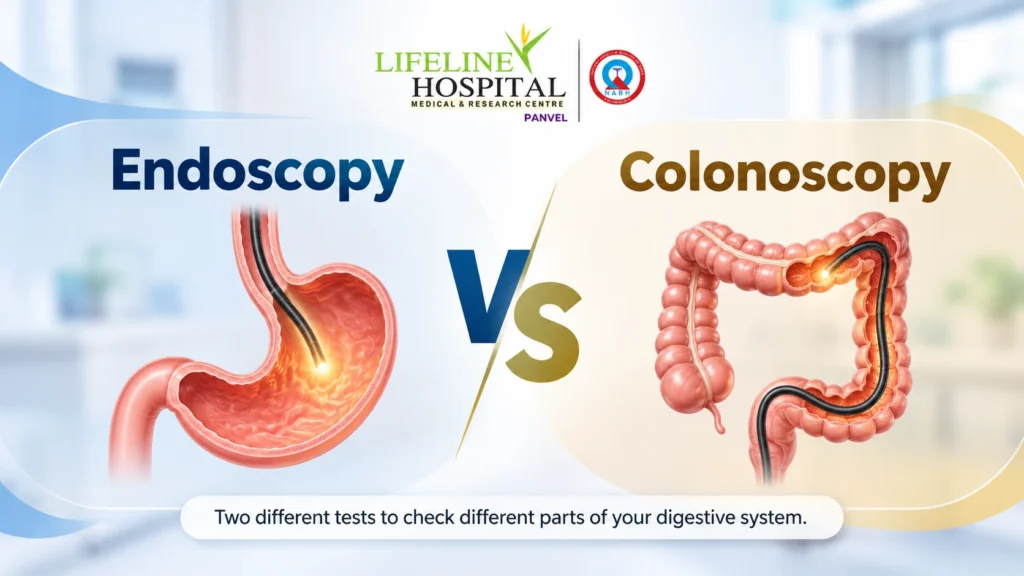
Comparison of Endoscopy vs Colonoscopy Doctors rely on both procedures to look inside the digestive system, but they’re checking very different territory. An endoscopy looks at the upper tract esophagus, stomach, and duodenum using a flexible camera passed through the mouth. It’s typically ordered for acid reflux, heartburn, trouble swallowing, vomiting, or upper abdominal pain. A colonoscopy goes the other direction, examining the rectum and colon through a camera inserted via the anus, and it’s the go-to for blood in the stool, chronic constipation, persistent diarrhea, or unexplained changes in bowel habits. Prep differs too; endoscopy just needs a few hours of fasting, while colonoscopy demands a full liquid-diet bowel prep the day before. Both can involve sedation and allow biopsies when something looks off, and both are usually same-day procedures. Features Endoscopy Colonoscopy Examines Esophagus, stomach, duodenum Rectum and entire colon Camera enters through Mouth Anus Main Purpose Diagnose upper digestive disorders Diagnose lower digestive disorders Common Symptoms Heartburn, acid reflux, vomiting, swallowing difficulty, upper abdominal pain Blood in stool, chronic constipation, diarrhea, abdominal pain, bowel habit changes Preparation Fasting for 6–8 hours Complete bowel cleansing and liquid diet Sedation Usually mild sedation Usually sedation for comfort Procedure Time 10–20 minutes 20–45 minutes Biopsy Possible? Yes Yes Polyp Removal Rarely Commonly performed Cancer Screening Esophageal and stomach cancer evaluation Colon cancer screening and prevention Recovery Same day Same day after observation Experience Quality Health Care Under One Roof Make Appointment
सामाजिक चिंता क्या है?

Blog सामाजिक चिंता क्या है? सामाजिक परिस्थितियों में थोड़ा घबराना या संकोच महसूस करना सामान्य बात है। किसी नए व्यक्ति से मिलने, सबके सामने बोलने या किसी महत्वपूर्ण कार्यक्रम में शामिल होने से पहले कई लोगों को तनाव हो सकता है। लेकिन जब लोगों के सामने जाने, बातचीत करने या अपनी बात रखने का डर इतना बढ़ जाए कि व्यक्ति सामाजिक परिस्थितियों से बचने लगे और इसका असर उसके रोजमर्रा के जीवन पर पड़ने लगे, तो इसे सामाजिक चिंता (Social Anxiety) कहा जा सकता है। यह केवल शर्मीलापन नहीं है, बल्कि एक ऐसी स्थिति हो सकती है जिसमें व्यक्ति को दूसरों के सामने खुद को लेकर लगातार चिंता रहती है। सही समय पर समझ और उपचार मिलने से इसे काफी हद तक नियंत्रित किया जा सकता है। सामाजिक चिंता क्या होती है? सामाजिक चिंता एक ऐसी मानसिक स्वास्थ्य स्थिति है जिसमें व्यक्ति को सामाजिक या प्रदर्शन से जुड़ी परिस्थितियों में अत्यधिक डर, घबराहट या असहजता महसूस हो सकती है। व्यक्ति को चिंता रहती है कि दूसरे लोग उसे जज करेंगे, उसकी गलतियां निकालेंगे, उसका मजाक उड़ाएंगे या उसके व्यवहार को नकारात्मक रूप से देखेंगे। यह डर कभी-कभी स्थिति की वास्तविकता से कहीं अधिक बड़ा महसूस होता है। सामाजिक चिंता केवल बड़ी भीड़ या सार्वजनिक मंच तक सीमित नहीं होती। कुछ लोगों को किसी अनजान व्यक्ति से बात करने, फोन पर बातचीत करने, मीटिंग में अपनी राय देने, किसी से मदद मांगने या दूसरों के सामने खाना खाने जैसी सामान्य परिस्थितियों में भी परेशानी हो सकती है। व्यक्ति को पता हो सकता है कि उसका डर जरूरत से ज्यादा है, फिर भी वह उसे नियंत्रित नहीं कर पाता। सामाजिक चिंता के मुख्य लक्षण क्या हैं? सामाजिक चिंता के लक्षण व्यक्ति के अनुसार अलग-अलग हो सकते हैं। भावनात्मक रूप से व्यक्ति को लोगों के सामने शर्मिंदा होने, गलती करने या आलोचना का सामना करने का डर रह सकता है। वह सामाजिक कार्यक्रमों से पहले ही बहुत अधिक सोचने लगता है और बार-बार यह विचार कर सकता है कि वहां क्या होगा या दूसरे उसके बारे में क्या सोचेंगे। इसके साथ शारीरिक लक्षण भी दिखाई दे सकते हैं। जैसे तेज धड़कन, पसीना आना, चेहरा लाल होना, हाथ कांपना, आवाज में कंपन, सांस लेने में परेशानी, पेट में असहजता या चक्कर जैसा महसूस होना। कुछ लोग ऐसी परिस्थितियों से पूरी तरह बचने लगते हैं। लंबे समय तक ऐसा होने पर आत्मविश्वास भी प्रभावित हो सकता है। क्या सामाजिक चिंता में लोगों से मिलने से डर लगता है? हां, सामाजिक चिंता में लोगों से मिलने या उनके साथ बातचीत करने को लेकर डर या अत्यधिक चिंता हो सकती है। व्यक्ति को लग सकता है कि वह बातचीत ठीक से नहीं कर पाएगा या सामने वाला उसके बारे में गलत राय बना लेगा। इसी वजह से वह किसी पार्टी, सामाजिक कार्यक्रम, स्कूल, कॉलेज या ऑफिस की मीटिंग में जाने से बच सकता है। हालांकि, हर व्यक्ति में इसका अनुभव एक जैसा नहीं होता। किसी को केवल अनजान लोगों के सामने परेशानी हो सकती है, जबकि किसी अन्य व्यक्ति को परिचित लोगों के सामने भी अपनी बात रखने में कठिनाई हो सकती है। इसलिए केवल लोगों से मिलने में झिझक होने के आधार पर सामाजिक चिंता का निष्कर्ष नहीं निकालना चाहिए। सामाजिक चिंता के कारण क्या हो सकते हैं? सामाजिक चिंता का कोई एक निश्चित कारण नहीं होता। इसके पीछे आनुवंशिक प्रवृत्ति, मस्तिष्क में होने वाली कुछ प्रक्रियाएं, व्यक्तित्व और जीवन के अनुभव जैसे कई कारक भूमिका निभा सकते हैं। बचपन या किशोरावस्था में लगातार आलोचना, मजाक या नकारात्मक सामाजिक अनुभव भी कुछ लोगों में सामाजिक परिस्थितियों को लेकर डर बढ़ा सकते हैं। इसके अलावा कम आत्मविश्वास, सामाजिक कौशल को लेकर असुरक्षा या लगातार नकारात्मक सोच भी समस्या को बढ़ा सकती है। कुछ मामलों में परिवार का वातावरण और सामाजिक परिस्थितियां भी प्रभाव डाल सकती हैं। जरूरी नहीं कि सामाजिक चिंता वाले हर व्यक्ति के जीवन में कोई एक खास घटना हुई हो। सामाजिक चिंता का रोजमर्रा की जिंदगी पर क्या असर पड़ता है? सामाजिक चिंता का असर व्यक्ति की पढ़ाई, नौकरी, रिश्तों और व्यक्तिगत जीवन पर पड़ सकता है। उदाहरण के लिए, कोई व्यक्ति मीटिंग में अपनी बात रखने से बच सकता है, नए लोगों से संपर्क बनाने में कठिनाई महसूस कर सकता है या किसी कार्यक्रम में जाने का निमंत्रण मिलने पर उसे टाल सकता है। धीरे-धीरे सामाजिक गतिविधियों से दूरी बढ़ने पर अकेलापन और आत्मविश्वास की कमी महसूस हो सकती है। कुछ लोग अपनी क्षमता के अनुसार अवसरों का लाभ भी नहीं उठा पाते, क्योंकि उन्हें दूसरों की प्रतिक्रिया का डर रहता है। इसलिए अगर सामाजिक चिंता लगातार बनी हुई है और जीवन के महत्वपूर्ण हिस्सों को प्रभावित कर रही है, तो इसे नजरअंदाज नहीं करना चाहिए। क्या सामाजिक चिंता और शर्मीलापन एक ही चीज है? नहीं, सामाजिक चिंता और शर्मीलापन एक जैसी चीजें नहीं हैं। शर्मीला व्यक्ति किसी नए व्यक्ति या परिस्थिति में शुरुआत में संकोच कर सकता है, लेकिन धीरे-धीरे सहज हो जाने के बाद सामान्य रूप से बातचीत कर सकता है। जरूरी नहीं कि शर्मीलापन व्यक्ति के जीवन में बड़ी परेशानी पैदा करे। इसके विपरीत, सामाजिक चिंता में डर और चिंता अधिक तीव्र हो सकती है और व्यक्ति जानबूझकर सामाजिक परिस्थितियों से बचने लग सकता है। जब यह डर पढ़ाई, नौकरी, रिश्तों या रोजमर्रा के कामों में बाधा डालने लगे, तब विशेषज्ञ से सलाह लेना उपयोगी होता है। सामाजिक चिंता के लिए Lifeline Panvel से परामर्श लें। Make Appointment सामाजिक चिंता को कम करने के लिए क्या किया जा सकता है? सामाजिक चिंता का उपचार व्यक्ति के लक्षणों, उनकी गंभीरता और दैनिक जीवन पर पड़ रहे प्रभाव के आधार पर किया जाता है। मनोचिकित्सा (Psychotherapy) उपचार का एक महत्वपूर्ण हिस्सा हो सकती है। इसमें कॉग्निटिव बिहेवियरल थेरेपी यानी सीबीटी (CBT) का उपयोग किया जाता है, जिससे व्यक्ति अपनी नकारात्मक सोच को पहचानना और उसे अधिक संतुलित तरीके से देखना सीख सकता है। कुछ मामलों में डॉक्टर दवाओं की सलाह भी दे सकते हैं। दवा का चुनाव व्यक्ति की स्थिति और अन्य स्वास्थ्य संबंधी कारकों को ध्यान में रखकर किया जाता है। इसलिए बिना डॉक्टर की सलाह के कोई दवा शुरू या बंद नहीं करनी चाहिए। कई बार थेरेपी, जीवनशैली में
Memory Disorder: Symptoms, Causes, Diagnosis and Treatment

Blog Memory Disorder: Symptoms, Causes, Diagnosis and Treatment Forgetting a name occasionally or misplacing your keys from time to time is usually not a reason to panic. However, repeated forgetfulness that becomes more frequent or starts affecting everyday activities deserves attention. A memory disorder can affect a person’s ability to remember information, learn new things, communicate, make decisions or complete familiar tasks. Memory problems can have many causes, and not every case is related to dementia or Alzheimer’s disease. Recognising changes early can help identify whether the problem is related to ageing, medication, another medical condition or a neurological disorder. Proper evaluation can also help determine whether treatment or ongoing monitoring is needed. What Is a Memory Disorder? A memory disorder refers to a condition in which memory or other thinking abilities are affected enough to cause concern or interfere with normal activities. The problem may involve difficulty remembering recent conversations, learning new information, recalling familiar details or keeping track of appointments and daily responsibilities. Memory problems can occur on their own, as in some cases of mild cognitive impairment, or alongside changes in thinking, language, behaviour and problem-solving abilities. Dementia is a broader term for a group of symptoms that affect cognitive and social abilities and interfere with daily life. What Causes Memory Problems? Memory changes can have many possible causes. Ageing can bring some mild forgetfulness, but significant or progressive changes should not automatically be considered a normal part of getting older. Medical conditions, certain medicines, depression, sleep problems, head injuries and neurological conditions can all contribute to memory difficulties. Age-Related Changes As people get older, they may take longer to recall information or occasionally forget names, dates or where they placed something. These changes can be normal when they do not interfere significantly with everyday life. More serious concerns arise when a person repeatedly forgets important information or struggles with activities they previously handled independently. Neurological Conditions Conditions such as Alzheimer’s disease, vascular dementia, Lewy body dementia and frontotemporal disorders can affect memory and other cognitive abilities. Symptoms vary depending on the condition and the areas of the brain affected. Other Health Factors Memory can also be affected by certain medicines, depression, sleep disturbances, infections, head injuries and other medical problems. Some causes may be treatable, which is one reason a proper medical assessment is important rather than assuming that memory loss is simply due to ageing. Consult Lifeline Panvel for timely evaluation and personalised care for memory concerns. Make Appointment What Are the Common Symptoms? The signs can vary from person to person. Early changes may include frequently forgetting recently learned information, repeating the same conversations, misplacing items or having difficulty recalling familiar names and words. As the problem progresses, some individuals may struggle with planning, managing finances, following instructions, navigating familiar places or completing everyday tasks. Changes in judgement, communication, personality or behaviour may also occur with certain neurological conditions. A useful distinction is whether forgetfulness is occasional or whether it is becoming frequent enough to affect independence. For example, occasionally forgetting an appointment may happen to anyone, while repeatedly missing appointments despite using reminders may warrant medical evaluation. When Should You See a Doctor for Memory Loss? Medical evaluation is appropriate when memory changes are persistent, worsening or interfering with daily activities. It is also important when family members notice significant changes in a person’s behaviour, thinking or ability to manage routine tasks. Sudden confusion or sudden memory loss requires prompt medical attention, particularly when it occurs with weakness, speech difficulties, severe headache, loss of consciousness or other sudden neurological symptoms. A sudden change can have causes that need urgent assessment. How Is a Memory Disorder Diagnosed? Diagnosis usually begins with a detailed medical history. A doctor may discuss when the symptoms started, how they have changed and whether they affect everyday activities. Information from a family member or caregiver can also be useful because the person experiencing memory problems may not notice every change. Cognitive Assessment Memory, attention, language, reasoning and problem-solving may be assessed using structured cognitive tests. These assessments can help identify areas that are affected and provide a baseline for future monitoring. Medical and Laboratory Evaluation Blood or urine investigations may be recommended to look for medical conditions that could contribute to cognitive symptoms. Medication history, sleep, mood and other health factors may also be reviewed. Brain Imaging Depending on the symptoms and clinical findings, doctors may recommend brain imaging such as CT or MRI. These investigations can help identify structural changes or rule out certain other causes of memory and thinking problems. Can Memory Disorders Be Treated? Treatment depends on the underlying cause. If memory problems are linked to a treatable medical condition, medication effect, sleep problem or another reversible factor, addressing that cause may improve symptoms. For conditions such as Alzheimer’s disease and other forms of dementia, treatment may include medicines for appropriate patients, management of related symptoms and supportive strategies that help maintain daily functioning. Treatment plans are individualised because different conditions and stages require different approaches. Lifestyle habits can also support overall brain and physical health. Managing conditions such as high blood pressure and diabetes, staying physically active, maintaining social connections, getting adequate sleep and reviewing medicines with a healthcare professional can be useful parts of healthy ageing. How Can Families Support Someone With Memory Problems? Family support can make everyday life easier for someone experiencing memory difficulties. Keeping important items in consistent places, using calendars or reminders and maintaining a familiar daily routine can reduce confusion. Communication also matters. Speaking calmly, giving one instruction at a time and allowing enough time for the person to respond can make conversations less stressful. If symptoms progress, families may also need to discuss safety, medication management, financial responsibilities and future care arrangements. Why Choose Lifeline Panvel for Memory Care? Lifeline Panvel provides healthcare services with a focus on patient-centred evaluation and coordinated medical care. Memory concerns can have different underlying causes, so a detailed assessment is important
What to Eat in Dengue

Blog What to Eat in Dengue: Foods and Fluids for Recovery Dengue can cause fever, weakness, body aches, nausea and reduced appetite, making it difficult to eat normally. During recovery, the body needs adequate fluids, calories and nutrients, especially when fever or vomiting has caused fluid loss. If you are wondering what to eat in dengue, focus on foods that are easy to digest, provide energy and help maintain hydration. There is no specific food that cures dengue. Medical care, adequate rest, monitoring and sufficient fluid intake are important parts of recovery. The World Health Organization and CDC recommend drinking plenty of fluids and watching carefully for warning signs of severe dengue. Why Is Diet Important During Dengue? Dengue can reduce appetite while fever and sweating may increase the body’s fluid requirements. Nausea or vomiting can make eating and drinking more difficult. A suitable diet can help provide energy when the body is recovering and can make it easier to maintain regular fluid intake. Hydration is particularly important. Water, oral rehydration solution, electrolyte-containing drinks and other suitable fluids can help replace fluid losses. WHO guidance also includes fruit juice and other fluids containing electrolytes and sugar as options for oral intake. People with diabetes or other conditions affecting fluid or sugar balance may need individual advice from their doctor. What to Eat in Dengue for Better Nutrition? The best approach is to choose simple, nutritious foods that are comfortable to eat. There is no need to follow an extremely restrictive diet unless a healthcare professional has recommended one for another medical condition. Soft and Easily Digestible Foods When appetite is low, soft foods can be easier to tolerate. Khichdi, rice, dal, lightly cooked vegetables, porridge, oats and soft homemade meals can provide carbohydrates and some protein without being too heavy. Small meals taken several times during the day may be more comfortable than trying to eat a large meal at once, particularly when nausea is present. Protein-Rich Foods Protein supports normal tissue maintenance and recovery. Depending on appetite and tolerance, options such as dal, lentils, curd, paneer, eggs or other familiar protein-rich foods can be included. The exact amount of protein should be adjusted to a person’s overall health. People with kidney disease or other medical conditions may require specific dietary recommendations. Fruits and Vegetables Fresh fruits and cooked vegetables can provide vitamins, minerals and other nutrients. Banana, apple, orange, papaya, melon and other fruits can be included according to individual tolerance. There is no strong evidence that one particular fruit can increase platelet counts or cure dengue. Instead, the focus should be on maintaining an overall nutritious diet and adequate fluid intake. Which Drinks Are Suitable During Dengue? Fluids are an important part of dengue care, particularly when fever, sweating or vomiting contributes to fluid loss. Water can be included throughout the day, while oral rehydration solution and electrolyte-containing fluids may also be useful. Coconut water, soups, diluted fruit juices and other suitable fluids can be included if they are tolerated. WHO guidance specifically recommends oral fluids such as ORS, fruit juice and other electrolyte-containing drinks for appropriate patients receiving home care. The amount of fluid required is not identical for everyone. People with kidney, heart or other medical conditions may have specific fluid restrictions, so they should follow their healthcare provider’s advice rather than increasing fluid intake on their own. Consult Lifeline Panvel for personalised guidance on dengue care, hydration and recovery. Make Appointment What Foods Should Be Limited During Dengue? There is no universal list of foods that every person with dengue must completely avoid. However, very oily, spicy or heavily processed foods may be difficult to tolerate when there is nausea, vomiting or poor appetite. Alcohol should be avoided during illness, particularly when the person is taking medicines or is dehydrated. Excessively sugary drinks are also not ideal as the main source of hydration. A varied diet with suitable fluids is generally more useful than relying on a single drink or food. It is also important to be careful with medicines used for fever and pain. WHO and CDC advise using paracetamol or acetaminophen when appropriate and avoiding aspirin and ibuprofen because they can increase the risk of bleeding. Is Papaya Leaf Juice Good for Dengue? Papaya leaf preparations are sometimes promoted as a way to increase platelet counts during dengue. However, they should not be considered a substitute for medical treatment, monitoring or adequate hydration. Evidence about their clinical benefit remains limited, and taking concentrated preparations without medical advice may not be appropriate for everyone. A person’s platelet count also does not tell the whole story about the severity of dengue. Doctors consider symptoms, vital signs, fluid status, blood results and warning signs when assessing the illness. How Can You Plan Meals During Dengue? A practical meal pattern can be simple. Start the day with a light breakfast such as oats, porridge or another easily tolerated food along with appropriate fluids. Lunch can include rice or roti with dal and cooked vegetables. A small snack such as fruit or curd can be taken if tolerated, followed by a light dinner. If nausea is present, smaller portions may be easier than full meals. The priority is not to force large amounts of food but to maintain reasonable fluid intake and provide nutrition as appetite returns. Rest is also important during recovery. Most people with dengue recover within one to two weeks, although tiredness can continue for several weeks after the infection. When Should You Seek Medical Care During Dengue? Diet and hydration are supportive measures and should not replace medical evaluation. Dengue can become severe, particularly around the time the fever starts to settle. Warning signs include severe abdominal pain, persistent vomiting, bleeding from the nose or gums, blood in vomit or stool, extreme weakness, restlessness or other signs of deterioration. If a person cannot drink enough fluids, has significantly reduced urine output, develops breathing difficulty or shows signs of severe dengue, urgent medical attention
बाईं तरफ सीने में दर्द
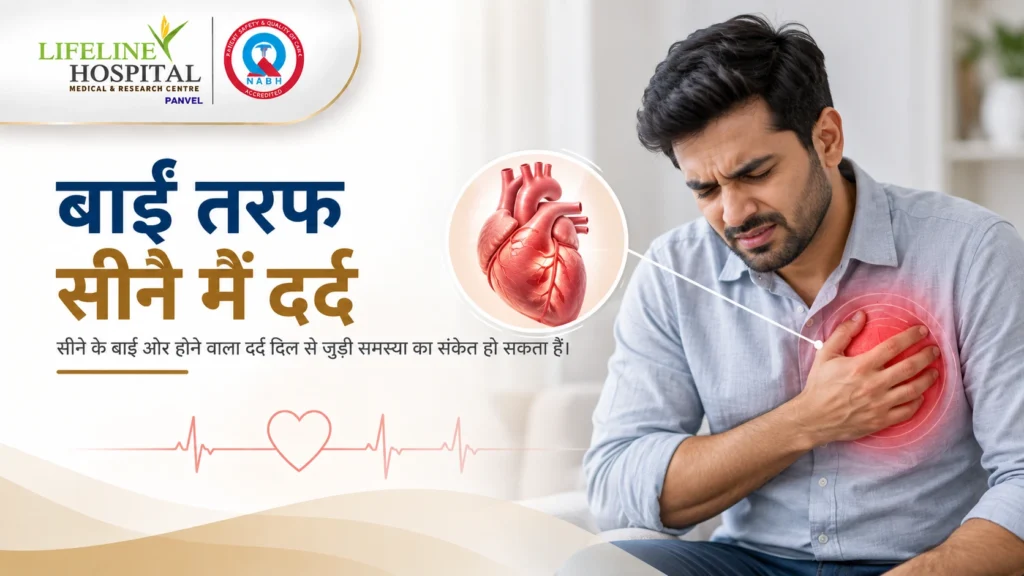
Blog बाईं तरफ सीने में दर्द के कारण और इलाज बाईं तरफ सीने में दर्द होने पर कई लोगों को सबसे पहले हार्ट अटैक या हृदय से जुड़ी समस्या की चिंता होती है। हालांकि, हर बार इसका कारण हृदय की बीमारी नहीं होता। मांसपेशियों में खिंचाव, गैस, एसिडिटी, फेफड़ों से जुड़ी समस्या या चिंता और तनाव जैसी कई स्थितियां भी बाईं तरफ सीने में दर्द का कारण बन सकती हैं। फिर भी, अचानक या तेज सीने में दर्द को नजरअंदाज नहीं करना चाहिए, क्योंकि कुछ मामलों में यह गंभीर हृदय संबंधी समस्या का संकेत हो सकता है। बाईं तरफ सीने में दर्द के मुख्य कारण क्या हैं? बाईं तरफ सीने में दर्द के कई कारण हो सकते हैं। हृदय से जुड़ी समस्याओं में एंजाइना या हार्ट अटैक प्रमुख कारण हैं। इनके अलावा छाती की मांसपेशियों में खिंचाव, पसलियों के आसपास सूजन या चोट, गैस और एसिडिटी भी दर्द पैदा कर सकती है। कुछ लोगों में फेफड़ों से जुड़ी समस्या, संक्रमण या सांस लेने में परेशानी के कारण भी सीने में दर्द महसूस हो सकता है। यदि दर्द शरीर की स्थिति बदलने, हाथ हिलाने या उस जगह दबाव देने से बढ़ता है, तो मांसपेशियों या छाती की दीवार से जुड़ा कारण हो सकता है। दूसरी ओर, दबाव, भारीपन या जकड़न जैसा दर्द विशेष रूप से शारीरिक मेहनत के दौरान हो और आराम करने पर कम हो, तो हृदय से जुड़ी समस्या की संभावना को जांचना जरूरी है। क्या बाईं तरफ सीने में दर्द हमेशा हृदय की समस्या का संकेत है? नहीं, बाईं तरफ सीने में दर्द हमेशा हृदय की समस्या का संकेत नहीं होता। गैस, एसिडिटी, मांसपेशियों में खिंचाव, पसलियों की समस्या और तनाव जैसी स्थितियां भी इसी क्षेत्र में दर्द पैदा कर सकती हैं। इसलिए केवल दर्द की जगह देखकर उसके कारण का पता नहीं लगाया जा सकता। हालांकि, यह मान लेना भी सही नहीं है कि बाईं तरफ का दर्द सिर्फ गैस के कारण है। हृदय से जुड़ा दर्द हर व्यक्ति में एक जैसा नहीं होता और कभी-कभी यह हल्का या असामान्य भी हो सकता है। इसलिए दर्द अचानक शुरू हुआ हो, लगातार बना रहे या उसके साथ सांस फूलना, पसीना, कमजोरी या चक्कर जैसे लक्षण हों, तो तुरंत चिकित्सकीय सहायता लेना जरूरी है। हृदय से जुड़े सीने के दर्द की पहचान कैसे हो सकती है? हृदय से जुड़ा सीने का दर्द अक्सर दबाव, जकड़न, भारीपन या सीने में कुछ दबने जैसा महसूस हो सकता है। यह दर्द बाएं या दोनों हाथों, कंधे, पीठ, गर्दन, जबड़े या ऊपरी पेट तक फैल सकता है। इसके साथ सांस फूलना, ठंडा पसीना, मतली, चक्कर या अचानक कमजोरी भी हो सकती है। कुछ मामलों में दर्द चलने, सीढ़ियां चढ़ने या शारीरिक मेहनत करने पर बढ़ सकता है। लेकिन केवल लक्षणों के आधार पर यह तय करना सुरक्षित नहीं है कि दर्द हृदय से संबंधित है या नहीं। खासकर मधुमेह, हाई ब्लड प्रेशर, उच्च कोलेस्ट्रॉल, धूम्रपान या पहले से हृदय रोग का इतिहास होने पर जांच में देरी नहीं करनी चाहिए। गैस और हृदय के दर्द में क्या अंतर हो सकता है? गैस या एसिडिटी के कारण होने वाला दर्द अक्सर पेट के ऊपरी हिस्से या सीने में जलन, खट्टी डकार, पेट फूलने या खाने के बाद भारीपन के साथ महसूस हो सकता है। शरीर की स्थिति बदलने या गैस निकलने के बाद कुछ लोगों को राहत मिल सकती है। हृदय से जुड़ा दर्द आमतौर पर दबाव, जकड़न या भारीपन जैसा हो सकता है और यह हाथ, कंधे, पीठ, गर्दन या जबड़े तक फैल सकता है। लेकिन इन दोनों के लक्षण एक-दूसरे से मिल सकते हैं। इसलिए केवल यह सोचकर कि दर्द गैस का है, गंभीर या नए सीने के दर्द को नजरअंदाज नहीं करना चाहिए। बाईं तरफ सीने में दर्द के साथ कौन से लक्षण गंभीर हो सकते हैं? सीने में दर्द के साथ सांस लेने में परेशानी, अत्यधिक पसीना, चक्कर आना, बेहोशी जैसा महसूस होना, अचानक कमजोरी, मतली या उल्टी जैसे लक्षण गंभीर हो सकते हैं। दर्द हाथ, कंधे, पीठ, गर्दन या जबड़े तक फैलना भी चेतावनी का संकेत हो सकता है। यदि दर्द अचानक बहुत तेज हो, लगातार बना रहे या व्यक्ति को सांस लेने में काफी परेशानी हो रही हो, तो इसे आपात स्थिति मानकर तुरंत चिकित्सा सहायता लेनी चाहिए। महिलाओं, बुजुर्गों और मधुमेह वाले लोगों में हृदय संबंधी समस्या कभी-कभी सीने के दर्द के बजाय सांस फूलने, कमजोरी या असामान्य थकान जैसे लक्षणों के साथ भी सामने आ सकती है। सीने में दर्द को नजरअंदाज न करें सही जांच और समय पर उपचार के लिए Lifeline Hospital Panvel से संपर्क करें। Make Appointment सीने में दर्द होने पर तुरंत अस्पताल कब जाना चाहिए? यदि सीने में नया, अचानक या लगातार दर्द हो और उसके साथ सांस फूलना, ठंडा पसीना, चक्कर, बेहोशी, मतली या हाथ, जबड़े, पीठ अथवा कंधे तक दर्द फैल रहा हो, तो तुरंत अस्पताल की आपातकालीन सेवा लेनी चाहिए। ऐसे समय पर घर पर गैस की दवा लेकर दर्द कम होने का इंतजार करना उचित नहीं है। अचानक होने वाले सीने के दर्द में समय बहुत महत्वपूर्ण हो सकता है। अमेरिकन हार्ट एसोसिएशन के अनुसार, तीव्र सीने के दर्द में गंभीर और जानलेवा कारणों की जल्द पहचान या उन्हें बाहर करना जरूरी है। बाईं ओर सीने में दर्द की जांच कैसे की जाती है? सीने में दर्द की जांच करते समय डॉक्टर सबसे पहले दर्द की प्रकृति, शुरुआत, अवधि, स्थान और उसके साथ मौजूद अन्य लक्षणों के बारे में जानकारी लेते हैं। मरीज का ब्लड प्रेशर, नाड़ी, सांस लेने की गति और ऑक्सीजन स्तर भी देखा जा सकता है। हृदय संबंधी समस्या की आशंका होने पर इलेक्ट्रोकार्डियोग्राम यानी इलेक्ट्रोकार्डियोग्राफी (ईसीजी) किया जा सकता है। जरूरत के अनुसार रक्त जांच, विशेष रूप से हाई-सेंसिटिविटी कार्डियक ट्रोपोनिन, हृदय की स्थिति जानने में उपयोगी हो सकता है। स्थिति के आधार पर डॉक्टर इकोकार्डियोग्राफी, ट्रेडमिल टेस्ट, सीटी स्कैन, कोरोनरी एंजियोग्राफी या अन्य जांचों की सलाह दे सकते हैं। कौन-सी जांच आवश्यक है, यह मरीज के लक्षण और जोखिम के आधार पर तय की जाती है। बाईं तरफ सीने में दर्द का इलाज कैसे किया जाता है? इलाज पूरी तरह दर्द के कारण पर निर्भर करता है। यदि कारण गैस या