
Coronary Angiography Test
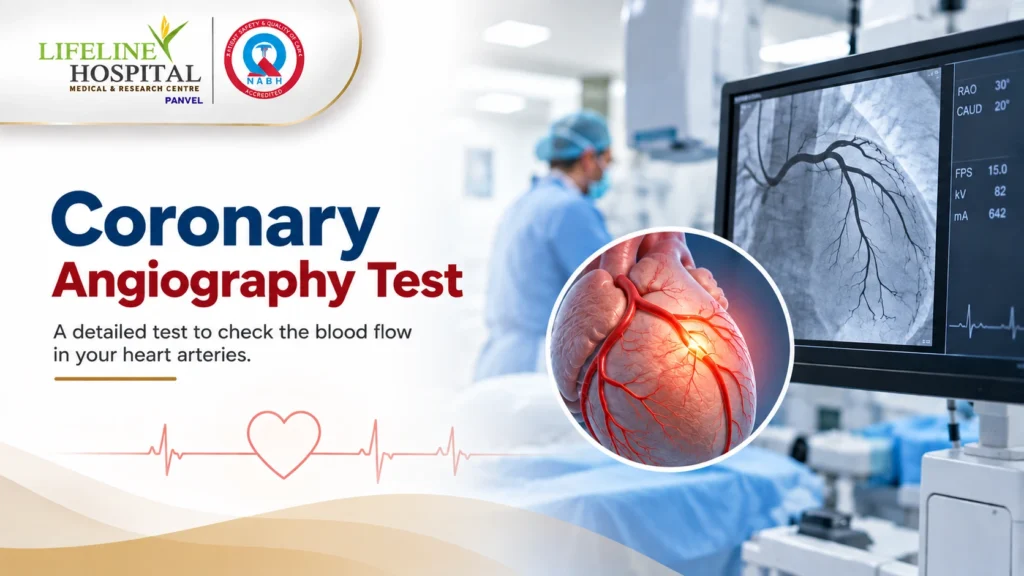
Blog Coronary Angiography Test The heart needs a steady supply of blood and oxygen to function properly. When the coronary arteries become narrowed or blocked, blood flow to the heart muscle can be affected. A coronary angiography test is a specialised imaging procedure used to check the coronary arteries for narrowing or blockages. It can provide important information that helps doctors decide whether medicines, angioplasty, stenting or another treatment may be appropriate. What Is a Coronary Angiography Test? Coronary angiography is a procedure that uses X-rays and a contrast agent to create images of the coronary arteries. During the procedure, a thin flexible tube called a catheter is carefully guided through an artery, usually from the wrist or groin, towards the heart. Contrast material is then introduced through the catheter so that the coronary arteries can be seen clearly on X-ray images. The images can show whether an artery is narrowed or blocked and can help doctors assess the location and extent of the problem. This information is particularly useful when planning further cardiac treatment. Why Is Coronary Angiography Recommended? A doctor may recommend coronary angiography when there is a concern about reduced blood flow to the heart or when other cardiac evaluations suggest a possible problem with the coronary arteries. It may be considered in people with certain symptoms, suspected coronary artery disease or particular heart-related emergencies. Persistent Chest Discomfort Chest discomfort, especially when it occurs with physical activity or is associated with breathlessness, sweating or other concerning symptoms, may require cardiac evaluation. Depending on the clinical situation, angiography can provide detailed information about the coronary arteries. Abnormal Cardiac Test Results If tests such as an ECG, stress evaluation or other cardiac investigations indicate a possible problem with blood flow to the heart, a cardiologist may recommend further assessment. The choice of investigation depends on the individual’s symptoms, medical history and previous results. Suspected or Known Coronary Artery Disease When coronary artery disease is suspected or already diagnosed, angiography can help determine the location and severity of arterial narrowing. The findings can then be considered when planning appropriate treatment. How Is Coronary Angiography Performed? The procedure is generally carried out in a cardiac catheterisation laboratory. You are usually awake, although medication may be provided to help you relax. The skin around the catheter insertion site is cleaned and a local anaesthetic is used to numb the area. A catheter is then inserted into an artery, commonly through the wrist or groin, and guided towards the heart. Contrast material is injected through the catheter while X-ray images are taken. You may experience some pressure at the insertion site and a brief warm or flushed sensation when the contrast material enters the bloodstream. The procedure itself may take around 30 to 50 minutes, although the overall time at the hospital can be longer depending on preparation, recovery and whether additional treatment is required. How Should You Prepare for Coronary Angiography? Preparation depends on your health condition and the hospital’s instructions. Before the procedure, your healthcare team may review your medical history, medicines, allergies and previous reactions to contrast material. Blood tests or other assessments may also be performed when appropriate. You should tell your doctor if you have kidney problems, diabetes, allergies to contrast material or are taking blood-thinning medicines. Do not stop or change prescribed medicines unless your healthcare team specifically advises you to do so. You may also be instructed to avoid food and drinks for a certain period before the procedure. The exact instructions can vary, so it is important to follow the guidance provided by your treating team. Is Coronary Angiography Painful? Most patients remain awake during the procedure and receive local anaesthesia at the catheter insertion site. You may feel a small prick when the area is numbed and some pressure when the catheter is inserted, but the catheter itself should not normally cause significant pain. A brief warm sensation can occur when the contrast material is injected. Some people may experience a temporary feeling of flushing, an urge to urinate or mild nausea. These sensations generally pass quickly. Schedule a cardiac consultation with Lifeline Panvel for personalised guidance on your heart health. Make Appointment What Are the Risks of Coronary Angiography? Coronary angiography is generally considered a safe procedure, but like any invasive procedure, it carries some risks. Minor effects can include bruising, soreness or a small collection of blood around the catheter insertion site. There can also be reactions to the contrast material. More serious complications, such as blood-vessel injury, kidney problems, heart attack or stroke, are possible but uncommon. The individual risk can vary depending on overall health and existing medical conditions. Your doctor should discuss the expected benefits and risks before the procedure. What Happens After the Procedure? After the catheter is removed, pressure is applied to the insertion site to reduce the chance of bleeding. You may need to remain in a recovery area for observation, particularly if the catheter was inserted through the groin. Many patients can return home on the same day, although some may need to stay longer depending on their condition and the procedure performed. Mild bruising or soreness around the insertion site can occur for a few days. Your healthcare team will provide specific instructions regarding activity, wound care, medicines and when you can return to normal activities. What Can the Results Show? The images can show whether the coronary arteries are normal, narrowed or blocked. They can also provide information about the location and extent of narrowing. The findings help the cardiology team decide what treatment may be suitable. If significant narrowing is identified, treatment may include medicines, lifestyle changes, angioplasty with stent placement or, in some situations, coronary artery bypass surgery. Not every blockage requires an immediate procedure; the treatment decision depends on the overall clinical picture and blood-flow findings. Coronary Angiography vs CT Coronary Angiography Traditional coronary angiography involves guiding a catheter into an artery and injecting contrast material while X-ray images
हाई रक्तचाप के कारण, लक्षण, इलाज और बचाव
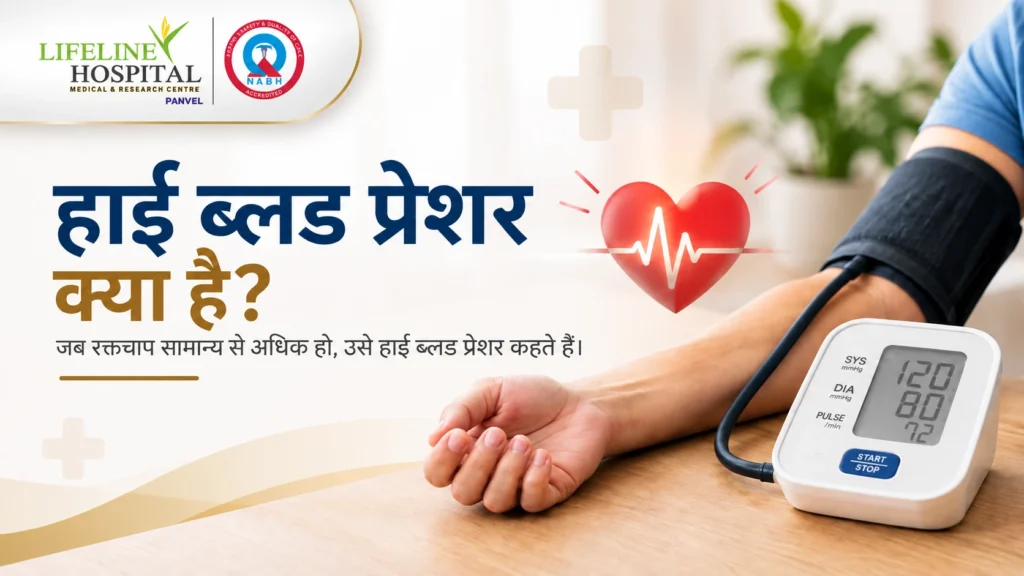
Blog हाई रक्तचाप के कारण, लक्षण, इलाज और बचाव आजकल हाई ब्लड प्रेशर यानी हाई रक्तचाप की समस्या केवल उम्रदराज लोगों तक सीमित नहीं रही है। बदलती जीवनशैली, काम का तनाव, शारीरिक गतिविधि की कमी, खान-पान की गलत आदतें और बढ़ता वजन जैसे कई कारणों से कम उम्र के लोगों में भी ब्लड प्रेशर बढ़ने की समस्या देखी जा रही है। कई बार व्यक्ति को लंबे समय तक किसी तरह की परेशानी महसूस नहीं होती और जांच के दौरान अचानक पता चलता है कि उसका ब्लड प्रेशर सामान्य से अधिक है। इसी वजह से हाई ब्लड प्रेशर को कई बार ‘साइलेंट’ समस्या भी कहा जाता है। अगर ब्लड प्रेशर लगातार बढ़ा हुआ रहे और उसे नियंत्रित न किया जाए, तो इसका असर हृदय, मस्तिष्क, किडनी और आंखों सहित शरीर के कई महत्वपूर्ण अंगों पर पड़ सकता है। अच्छी बात यह है कि नियमित जांच, संतुलित आहार, व्यायाम, तनाव पर नियंत्रण और डॉक्टर की सलाह के अनुसार उपचार लेने से ब्लड प्रेशर को काफी हद तक नियंत्रित रखा जा सकता है। हाई रक्तचाप क्या है? हाई रक्तचाप ऐसी स्थिति है जिसमें रक्त शरीर की धमनियों की दीवारों पर सामान्य से अधिक दबाव डालता है। ब्लड प्रेशर की जांच में दो आंकड़े देखे जाते हैं। पहला सिस्टोलिक ब्लड प्रेशर होता है, जो उस समय का दबाव बताता है जब हृदय रक्त को पंप करता है, जबकि दूसरा डायस्टोलिक ब्लड प्रेशर होता है, जो हृदय के आराम करने के समय का दबाव बताता है। ब्लड प्रेशर का स्तर उम्र, स्वास्थ्य और अन्य परिस्थितियों के अनुसार अलग-अलग हो सकता है, इसलिए लगातार बढ़े हुए रीडिंग मिलने पर डॉक्टर से सलाह लेना जरूरी है। हाई ब्लड प्रेशर के मुख्य कारण क्या हैं? हाई ब्लड प्रेशर के पीछे कई कारण हो सकते हैं। अधिक नमक का सेवन, शरीर का बढ़ता वजन, शारीरिक गतिविधि की कमी, धूम्रपान, शराब का सेवन, लंबे समय तक रहने वाला तनाव और पर्याप्त नींद न लेना इसके जोखिम को बढ़ा सकते हैं। परिवार में हाई ब्लड प्रेशर का इतिहास होने पर भी इसका खतरा बढ़ सकता है। कुछ लोगों में किडनी की बीमारी, हार्मोन से जुड़ी समस्याएं, स्लीप एपनिया या कुछ दवाओं के कारण भी ब्लड प्रेशर बढ़ सकता है। कई मामलों में इसका कोई एक स्पष्ट कारण नहीं मिलता और समय के साथ अलग-अलग जोखिम कारक मिलकर ब्लड प्रेशर बढ़ाने में भूमिका निभाते हैं। क्या तनाव से ब्लड प्रेशर बढ़ सकता है? तनाव के दौरान शरीर में कुछ हार्मोन और रासायनिक बदलाव होते हैं, जिनकी वजह से हृदय की धड़कन तेज हो सकती है और कुछ समय के लिए ब्लड प्रेशर बढ़ सकता है। बार-बार होने वाला या लंबे समय तक रहने वाला तनाव व्यक्ति की जीवनशैली को भी प्रभावित कर सकता है, जैसे नींद खराब होना, ज्यादा खाना या शारीरिक गतिविधि कम होना। इसलिए तनाव को नियंत्रित करना ब्लड प्रेशर मैनेजमेंट का एक महत्वपूर्ण हिस्सा है। हालांकि, हर व्यक्ति में तनाव का प्रभाव एक जैसा नहीं होता। यदि ब्लड प्रेशर बार-बार बढ़ा हुआ आ रहा है, तो केवल तनाव को इसका कारण मानने के बजाय उचित जांच और डॉक्टर की सलाह लेना जरूरी है। हाई ब्लड प्रेशर के लक्षण क्या होते हैं? हाई ब्लड प्रेशर कई बार बिना किसी स्पष्ट लक्षण के भी हो सकता है। कुछ लोगों में सिरदर्द, चक्कर आना, धुंधला दिखाई देना, थकान या बेचैनी जैसी शिकायतें हो सकती हैं, लेकिन इन लक्षणों के आधार पर अकेले हाई ब्लड प्रेशर की पुष्टि नहीं की जा सकती। ब्लड प्रेशर का सही पता लगाने के लिए इसकी जांच करना जरूरी है। बहुत अधिक बढ़े हुए ब्लड प्रेशर के साथ तेज सिरदर्द, सांस लेने में परेशानी, सीने में दर्द, देखने में बदलाव, कमजोरी या बोलने में परेशानी जैसे गंभीर लक्षण दिखाई दें, तो तुरंत चिकित्सा सहायता लेना चाहिए। हाई रक्तचाप की जांच कैसे की जाती है? ब्लड प्रेशर की जांच सामान्यतः ब्लड प्रेशर मॉनिटर की मदद से की जाती है। जांच के दौरान व्यक्ति को कुछ मिनट शांत बैठने के बाद उचित स्थिति में बैठाकर रक्तचाप मापा जाता है। कई बार एक ही रीडिंग के आधार पर निष्कर्ष निकालने के बजाय अलग-अलग समय पर कई रीडिंग लेने की सलाह दी जाती है। कुछ मामलों में डॉक्टर घर पर ब्लड प्रेशर मॉनिटर करने या एंबुलेटरी ब्लड प्रेशर मॉनिटरिंग की सलाह दे सकते हैं। इससे दिन और रात के दौरान ब्लड प्रेशर में होने वाले बदलावों को समझने में मदद मिल सकती है। ब्लड प्रेशर की जांच कितनी बार करनी चाहिए? ब्लड प्रेशर की जांच कितनी बार करनी चाहिए, यह व्यक्ति की उम्र, स्वास्थ्य, पहले की रीडिंग और अन्य जोखिम कारकों पर निर्भर करता है। जिन लोगों का ब्लड प्रेशर सामान्य रहता है, वे नियमित स्वास्थ्य जांच के दौरान इसकी जांच करा सकते हैं। वहीं जिन लोगों को पहले से हाई ब्लड प्रेशर है, उन्हें डॉक्टर द्वारा बताए गए अंतराल पर घर या क्लिनिक में ब्लड प्रेशर मॉनिटर करना चाहिए। यदि घर पर ब्लड प्रेशर मापा जाता है, तो सही तकनीक और उचित उपकरण का इस्तेमाल करना भी उतना ही जरूरी है। हाई ब्लड प्रेशर का इलाज कैसे किया जाता है? हाई ब्लड प्रेशर का इलाज व्यक्ति की स्थिति के अनुसार किया जाता है। कुछ लोगों में जीवनशैली में बदलाव से ब्लड प्रेशर को नियंत्रित करने में मदद मिल सकती है, जबकि कुछ लोगों को दवाओं की आवश्यकता पड़ सकती है। डॉक्टर ब्लड प्रेशर का स्तर, उम्र, अन्य स्वास्थ्य समस्याएं और हृदय संबंधी जोखिम जैसे कई कारकों को ध्यान में रखकर उपचार तय करते हैं। अगर डॉक्टर ने ब्लड प्रेशर की दवा शुरू की है, तो उसे निर्धारित समय और मात्रा में लेना जरूरी है। दवा लेने के बाद ब्लड प्रेशर सामान्य आने पर भी उसे अपने आप बंद नहीं करना चाहिए। दवा में किसी भी तरह का बदलाव डॉक्टर की सलाह से ही किया जाना चाहिए। अपने रक्तचाप की नियमित जांच कराएं और उचित चिकित्सा सलाह के लिए Lifeline Panvel से संपर्क करें। Make Appointment हाई ब्लड प्रेशर में खान-पान कैसा होना चाहिए? हाई ब्लड प्रेशर को नियंत्रित रखने के लिए संतुलित और पौष्टिक आहार लेना महत्वपूर्ण है। भोजन में नमक की मात्रा कम रखना, ताजे फल और सब्जियां शामिल करना, साबुत अनाज, दालें और अन्य पौष्टिक खाद्य पदार्थों को
Comparison of Stroke vs Brain Hemorrhage
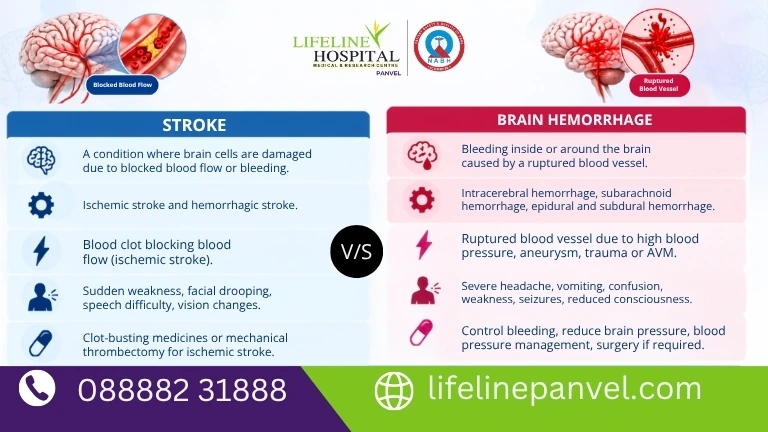
Comparison of Heart Attack & Cardiac Arrest These two get confused a lot, and understandably so they overlap, but they’re not identical. A stroke is what happens when brain cells lose their blood supply, either from a blocked artery (ischemic stroke) or from bleeding (hemorrhagic stroke). A brain hemorrhage refers specifically to that second scenario bleeding in or around the brain from a ruptured vessel. So every spontaneous brain hemorrhage counts as a hemorrhagic stroke, but not every stroke involves bleeding; in fact, ischemic strokes are far more common. Symptom-wise, both can bring sudden weakness, slurred speech, vision trouble, confusion, or loss of consciousness though a hemorrhage more often announces itself with a severe, sudden headache and vomiting. A CT scan or MRI is essential to tell them apart quickly, since treatment differs. The good news: managing blood pressure and diabetes, quitting smoking, staying active, and treating vascular issues early can meaningfully lower the risk of both. Features Stroke Brain Hemorrhage Definition A condition where brain cells are damaged due to blocked blood flow or bleeding Bleeding inside or around the brain caused by a ruptured blood vessel Is It a Disease? Yes, stroke is a medical condition It is a type of brain bleeding that may lead to a hemorrhagic stroke Main Types Ischemic stroke and hemorrhagic stroke Intracerebral hemorrhage, subarachnoid hemorrhage, epidural, and subdural hemorrhage Most Common Cause Blood clot blocking blood flow (ischemic stroke) Ruptured blood vessel due to high blood pressure, aneurysm, trauma, or AVM Blood Flow Blocked or interrupted Bleeding leaks into brain tissue, increasing pressure Percentage of Cases About 80–87% ischemic, 13–20% hemorrhagic Represents the hemorrhagic type of stroke when spontaneous bleeding occurs Symptoms Sudden weakness, facial drooping, speech difficulty, vision changes Severe headache, vomiting, confusion, weakness, seizures, reduced consciousness Emergency ? Yes Yes Diagnosis CT scan, MRI, neurological examination, blood tests CT scan is usually the first test, followed by MRI or angiography if needed Initial Treatment Clot-busting medicines or mechanical thrombectomy for ischemic stroke Control bleeding, reduce brain pressure, blood pressure management, surgery if required Surgery Needed? Sometimes More commonly required depending on bleeding severity Recovery Depends on brain damage and treatment timing Often longer due to bleeding and brain swelling Prevention Control BP, diabetes, cholesterol, quit smoking, exercise Control high blood pressure, manage aneurysms, avoid uncontrolled blood thinners, healthy lifestyle Experience Quality Health Care Under One Roof Make Appointment
Heat Therapy in Physiotherapy

Blog Heat Therapy in Physiotherapy: Benefits, Uses, Methods and Safety Muscle stiffness, joint discomfort and restricted movement can make everyday activities difficult. Physiotherapy uses several techniques to manage these problems, and therapeutic heat is one option that may be included when appropriate. Heat therapy in physiotherapy involves applying controlled warmth to a specific area to improve comfort and prepare the body for movement or exercise. Heat is generally used as part of a complete physiotherapy programme rather than as the only treatment. Depending on the condition, a physiotherapist may combine it with stretching, strengthening exercises, manual therapy and mobility training. What Is Heat Therapy in Physiotherapy? Heat therapy, also called thermotherapy, involves applying warmth to the body for therapeutic purposes. Physiotherapists may use methods such as hot packs, warm water therapy, heating pads or other controlled heating techniques. The warmth can increase the temperature of tissues in the treated area. This may help muscles relax and make movement feel more comfortable. Heat can also be useful before certain physiotherapy exercises when stiffness is limiting movement. The treatment should be controlled carefully. Excessive heat or prolonged exposure can cause burns or other skin and tissue injuries, so the method and duration should be selected according to the person’s condition. How Does Heat Therapy Work? When heat is applied to an area, it can increase local tissue temperature and cause blood vessels to widen. This increased circulation may contribute to relaxation and comfort in the treated region. Heat can also influence the sensation of pain. Warmth may reduce muscle tension and make stiff areas feel more flexible, allowing some patients to move more comfortably during their rehabilitation session. The effects are temporary and vary from person to person. Heat does not directly repair every underlying cause of pain, so it is usually combined with exercises and other treatments designed to address the condition itself. What Conditions Can Benefit From Heat Therapy? Muscle Stiffness Tight or stiff muscles can restrict movement and make exercise uncomfortable. A physiotherapist may use controlled heat before stretching or movement exercises to help the area feel more relaxed. Chronic Muscle and Joint Pain Some long-term musculoskeletal conditions involve persistent stiffness and discomfort. Heat may provide temporary relief and make daily movement or therapeutic exercise easier for selected patients. Back and Neck Discomfort Muscle tightness around the back and neck can contribute to discomfort and restricted movement. When appropriate, therapeutic warmth may be included alongside posture correction, mobility exercises and strengthening. Joint Stiffness Stiff joints can make activities such as walking, bending or getting up from a chair more difficult. Heat may help improve comfort before movement-based therapy in certain conditions. What Are the Benefits of Heat Therapy? One of the main benefits is temporary relief from muscle discomfort and stiffness. Warmth can help relax tense muscles and make movement more comfortable. Heat may also be useful before physiotherapy exercises. If stiffness is making a joint or muscle difficult to move, warming the area can help prepare it for stretching, mobility work or other prescribed exercises. Another benefit is that heat therapy is non-invasive and can be incorporated into many rehabilitation programmes. Depending on the patient’s condition, a physiotherapist may use it before or during other therapeutic techniques. However, heat is not appropriate for every injury or condition. The timing of treatment matters, particularly when swelling or an acute injury is present. What Are the Different Methods of Heat Therapy? Hot Packs Hot packs are commonly used in physiotherapy. They provide controlled warmth to a targeted area and are generally placed with suitable protective layers between the pack and skin. Heating Pads Heating pads can provide localized warmth and may be used in clinical settings or at home when recommended by a healthcare professional. Temperature and duration should be carefully controlled. Warm Water Therapy Warm water can provide both heat and gentle resistance. In selected rehabilitation programmes, aquatic therapy may make movement easier while reducing the load placed on certain joints. Paraffin Wax Therapy Warm paraffin wax may be used for certain hand and foot conditions. The controlled warmth can help improve comfort and flexibility in appropriate cases. How Long Should Heat Therapy Be Used? The appropriate treatment time depends on the method, treatment area, skin sensitivity and medical condition. More heat or a longer application does not necessarily provide greater benefit. A physiotherapist determines the appropriate temperature and duration based on the patient’s needs. When using heat at home, follow the instructions provided by the healthcare professional or manufacturer. Heat should never be hot enough to cause pain, burning or significant skin redness. If these symptoms occur, the heat source should be removed immediately. Get personalized physiotherapy care at Lifeline Hospital Panvel and take a confident step toward better movement. Make Appointment Heat Therapy Before or After Exercise? Heat is often considered before exercise when stiffness or muscle tightness is limiting movement. Warming the area may make stretching and therapeutic exercises more comfortable. After exercise, the appropriate recovery technique depends on the person’s condition. Some situations may benefit from cold therapy, while others may respond better to warmth. The choice should be based on the type of injury, symptoms and physiotherapist’s recommendation. Using heat automatically after every exercise session is not necessary and may not be appropriate for acute injuries accompanied by significant swelling. Is Heat Therapy Safe? Heat therapy is generally safe when used correctly, but it should not be applied at excessively high temperatures or for prolonged periods. A protective layer may be required between a hot pack and the skin to reduce the risk of burns. Extra caution is needed for people who have reduced sensation, circulation problems or difficulty recognizing excessive heat. In such situations, professional guidance is particularly important. Avoid sleeping with a heating pad or leaving a heat source on an area for an extended period. Always follow the recommended treatment instructions. Heat Therapy vs Cryotherapy Heat and cold therapy have different roles in physiotherapy. Heat is commonly used to help
Cryotherapy in Physiotherapy
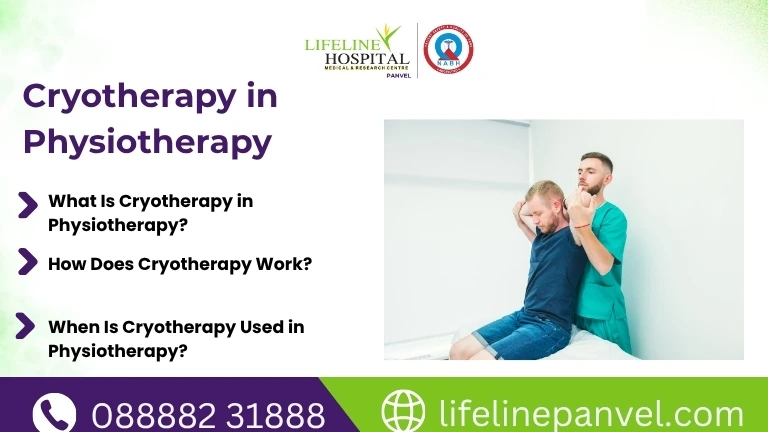
Blog Cryotherapy in Physiotherapy: Benefits, Uses, Procedure and Safety Pain, swelling and stiffness are common after sports injuries, surgery or certain musculoskeletal conditions. Physiotherapy may use different techniques to support recovery, and cold therapy is one option that can be included when appropriate. Cryotherapy in physiotherapy involves applying controlled cold to a specific area of the body to help manage pain and swelling. Cold therapy is generally used as part of a broader physiotherapy programme rather than as a standalone treatment. A physiotherapist may combine it with exercises, mobility work, manual therapy and other techniques according to the person’s condition and stage of recovery. What Is Cryotherapy in Physiotherapy? Cryotherapy means the therapeutic use of cold. In physiotherapy, cold may be applied to an injured or painful area using an ice pack, cold pack, frozen gel pack, cold compression device or another method selected by the physiotherapist. Cooling the affected area can temporarily reduce pain and may help control swelling following certain acute injuries. The method, duration and intensity of cold application should be selected according to the condition, treatment area and individual tolerance. The aim is not simply to make the area extremely cold. Controlled application is important because excessive or prolonged exposure can potentially damage the skin and underlying tissues. How Does Cryotherapy Work? When cold is applied to the skin, the temperature of the underlying tissues decreases. This can reduce nerve conduction and temporarily decrease the sensation of pain in the treated area. Cold exposure can also cause blood vessels near the skin to constrict. This physiological response can influence local blood flow and may be useful when managing acute swelling as part of an overall rehabilitation plan. As the area warms again after treatment, normal circulation gradually returns. The exac When Is Cryotherapy Used in Physiotherapy? Sports Injuries Cold therapy may be used after certain sports injuries, particularly when pain and swelling are present. It can be included alongside appropriate rehabilitation exercises to help the person progress through recovery. Muscle Strains and Sprains Sprains and strains can cause pain, tenderness and swelling. A physiotherapist may consider cold therapy during the early management of some injuries, depending on the nature and severity of the injury. Post-Surgical Rehabilitation After certain orthopaedic procedures, swelling and discomfort can interfere with movement and exercise. Cold therapy may sometimes be included in rehabilitation to help manage these symptoms when medically appropriate. Joint Pain and Inflammation Some joint conditions can involve pain and swelling. Depending on the diagnosis, cold therapy may provide temporary symptom relief and make movement or therapeutic exercises more comfortable. What Are the Benefits of Cryotherapy? One of the main benefits is temporary pain relief. Cooling the treatment area can reduce the sensation of pain, which may make it easier for a person to participate in prescribed physiotherapy exercises. It may also help manage swelling associated with certain acute injuries. Reducing discomfort can support movement and allow rehabilitation to continue more comfortably. Another advantage is that cold therapy is relatively simple and non-invasive. Depending on the treatment plan, it may be performed in a physiotherapy clinic or, with appropriate instructions, used at home. However, cold therapy does not repair damaged tissue by itself. Its role is primarily to manage symptoms and support participation in a broader rehabilitation programme. What Happens During a Cryotherapy Session? The physiotherapist first assesses the affected area and determines whether cold therapy is appropriate. They may consider the injury, swelling, pain level, skin condition, circulation and other relevant factors. A suitable cold pack or therapeutic cooling method is then applied to the treatment area, usually with a protective layer between the cold source and skin. The treatment duration depends on the method and individual circumstances. During treatment, the sensation may change from cold to tingling or mild numbness. The physiotherapist monitors the person’s response and removes the cold source when the planned treatment period is complete. If the skin becomes excessively painful, very pale, blotchy or otherwise abnormal, treatment should be stopped and the area assessed. How Long Should Cryotherapy Be Used? There is no single duration that is appropriate for everyone. Treatment time depends on the body part, method used, severity of symptoms and the physiotherapist’s assessment. Longer or more intense exposure is not necessarily more effective. Excessive cold exposure can cause skin injury, including cold burns or tissue damage. For this reason, patients should follow the specific instructions given by their physiotherapist rather than applying ice directly to the skin for an extended period. Start your recovery with personalized physiotherapy care at Lifeline Hospital Panvel. Make Appointment Is Cryotherapy Safe for Everyone? Cold therapy is suitable for many people when appropriately applied, but it is not appropriate in every situation. People with certain circulation problems, reduced sensation, cold hypersensitivity or specific medical conditions may need to avoid it or use it only under medical guidance. Cold should never be applied directly to bare skin for prolonged periods. A barrier such as a cloth or towel may be used according to the treatment method recommended by the healthcare professional. If you have an existing medical condition or are unsure whether cold therapy is appropriate, discuss it with your physiotherapist or doctor before using it. Cryotherapy vs Heat Therapy Cold and heat have different therapeutic uses. Cold therapy is commonly considered when pain and swelling are associated with certain acute injuries, while heat may be used in some situations to help relax muscles and improve comfort. The choice depends on the condition and stage of recovery. Using heat when swelling needs to be controlled or applying cold when heat is more appropriate may not provide the intended benefit. A physiotherapist can determine which approach fits the rehabilitation plan and whether alternating treatments is appropriate. Can Cryotherapy Be Combined With Exercise? Yes. Cryotherapy can be incorporated into a wider physiotherapy programme. For example, temporary pain relief may make it easier for a patient to perform prescribed movements or exercises. However, cold therapy should not replace rehabilitation
यूरोलॉजिस्ट कौन होता है और क्या इलाज करता है?

Blog यूरोलॉजिस्ट कौन होता है और क्या इलाज करता है? अगर आपको बार-बार पेशाब आने, पेशाब करते समय दर्द या जलन होने, पेशाब में खून आने या किडनी और पेशाब से जुड़ी किसी समस्या का सामना करना पड़ रहा है, तो आपके मन में यह सवाल आ सकता है कि किस डॉक्टर से सलाह लेनी चाहिए। ऐसी समस्याओं के इलाज के लिए Urologist से संपर्क किया जा सकता है। यूरोलॉजिस्ट मूत्र प्रणाली (Urinary System) और पुरुषों की प्रजनन प्रणाली से जुड़ी समस्याओं के विशेषज्ञ डॉक्टर होते हैं। इस ब्लॉग में जानते हैं कि Urologist Meaning in Hindi क्या है, यूरोलॉजिस्ट किन अंगों और बीमारियों का इलाज करते हैं, उन्हें कब दिखाना चाहिए और यूरोलॉजिस्ट तथा नेफ्रोलॉजिस्ट में क्या अंतर होता है। Urologist Meaning in Hindi क्या है? Urologist Meaning in Hindi का अर्थ है मूत्र रोग विशेषज्ञ। यूरोलॉजिस्ट ऐसे डॉक्टर होते हैं जो किडनी, मूत्रवाहिनी (Ureter), मूत्राशय (Bladder), मूत्रमार्ग (Urethra) और पुरुषों के प्रजनन अंगों से जुड़ी बीमारियों की जांच और इलाज करते हैं। यूरोलॉजिस्ट बनने के लिए मेडिकल की पढ़ाई के बाद यूरोलॉजी में विशेष प्रशिक्षण लिया जाता है। ये डॉक्टर केवल दवाओं से इलाज ही नहीं करते, बल्कि आवश्यकता पड़ने पर विभिन्न प्रक्रियाएं और सर्जरी भी कर सकते हैं। यूरोलॉजिस्ट पुरुषों और महिलाओं दोनों में यूरिनरी सिस्टम से जुड़ी समस्याओं का इलाज करते हैं। बच्चों में मूत्र संबंधी समस्याओं के लिए विशेष रूप से प्रशिक्षित Pediatric Urologist की आवश्यकता हो सकती है। Urologist किन अंगों का इलाज करता है? यूरोलॉजिस्ट मुख्य रूप से शरीर के उन अंगों से जुड़ी समस्याओं का इलाज करते हैं जो पेशाब बनाने, जमा करने और शरीर से बाहर निकालने की प्रक्रिया में शामिल होते हैं। इनमें किडनी, मूत्रवाहिनी, मूत्राशय और मूत्रमार्ग शामिल हैं। पुरुषों में यूरोलॉजिस्ट प्रोस्टेट, अंडकोष (Testicles), लिंग और पुरुष प्रजनन प्रणाली से जुड़े कुछ रोगों का भी इलाज करते हैं। उदाहरण के लिए, बढ़ा हुआ प्रोस्टेट, प्रोस्टेट से जुड़ी कुछ समस्याएं, अंडकोष में दर्द या सूजन और पुरुषों में कुछ यौन एवं प्रजनन संबंधी समस्याओं के लिए यूरोलॉजिस्ट से सलाह ली जा सकती है। Urologist कौन-कौन सी बीमारियों का इलाज करता है? यूरोलॉजिस्ट कई तरह की मूत्र संबंधी और पुरुष प्रजनन प्रणाली से जुड़ी समस्याओं का इलाज करते हैं। किडनी स्टोन (Kidney Stone) यूरोलॉजिस्ट के पास आने वाली आम समस्याओं में से एक है। किडनी या यूरिनरी ट्रैक्ट में बने पत्थर के कारण तेज दर्द, पेशाब में खून या पेशाब करते समय परेशानी हो सकती है। इसके अलावा यूरोलॉजिस्ट Urinary Tract Infection (UTI), पेशाब रुकने या पेशाब करने में कठिनाई, बार-बार पेशाब आना, पेशाब में खून आना और मूत्राशय से जुड़ी समस्याओं का इलाज कर सकते हैं। पुरुषों में Benign Prostatic Hyperplasia (BPH) यानी प्रोस्टेट का बढ़ना भी यूरोलॉजिस्ट द्वारा देखा जाता है। कुछ मामलों में यूरोलॉजिस्ट Urinary Incontinence यानी पेशाब पर नियंत्रण न रहना, बार-बार होने वाली मूत्र संबंधी समस्याएं, मूत्रमार्ग में संकुचन और यूरिनरी सिस्टम में रुकावट का भी इलाज करते हैं। इसके अलावा किडनी, ब्लैडर, प्रोस्टेट और पुरुष प्रजनन प्रणाली के कुछ कैंसर के लिए भी यूरोलॉजिस्ट जांच और उपचार की सलाह दे सकते हैं। Urologist को कब दिखाना चाहिए? हर बार पेशाब से जुड़ी छोटी समस्या होने पर यूरोलॉजिस्ट की आवश्यकता नहीं होती। लेकिन अगर समस्या बार-बार हो रही है, लंबे समय से बनी हुई है या उसके साथ गंभीर लक्षण दिखाई दे रहे हैं, तो विशेषज्ञ से सलाह लेना जरूरी हो सकता है। पेशाब में खून आना, पेशाब करते समय लगातार दर्द या जलन, पेशाब करने में कठिनाई, पेशाब रुक जाना, बार-बार UTI होना, बार-बार या अचानक पेशाब की तेज इच्छा होना और किडनी स्टोन के कारण दर्द जैसे लक्षण होने पर यूरोलॉजिस्ट से संपर्क किया जा सकता है। पुरुषों में पेशाब की धार कमजोर होना, पेशाब शुरू करने में परेशानी, रात में बार-बार पेशाब के लिए उठना या ब्लैडर पूरी तरह खाली न होने जैसा महसूस होना प्रोस्टेट से जुड़ी समस्या का संकेत हो सकता है। ऐसे लक्षणों को लंबे समय तक नजरअंदाज करने के बजाय डॉक्टर से जांच करवाना बेहतर होता है। General Medicine से जुड़ी किसी भी समस्या के लिए आज ही Lifeline Hospital Panvel में विशेषज्ञ डॉक्टर से परामर्श लें। Make Appointment Urologist कौन-कौन सी जांच करवा सकता है? आपकी समस्या और लक्षणों के आधार पर यूरोलॉजिस्ट अलग-अलग जांच की सलाह दे सकते हैं। शुरुआत में डॉक्टर आपके लक्षणों, मेडिकल हिस्ट्री और पहले से चल रही दवाओं के बारे में जानकारी लेते हैं। इसके बाद आवश्यकता के अनुसार Urine Test और Blood Test करवाए जा सकते हैं। किडनी या मूत्र प्रणाली की स्थिति देखने के लिए Ultrasound, CT Scan या MRI जैसी इमेजिंग जांच की जरूरत पड़ सकती है। किडनी स्टोन का पता लगाने या उसकी स्थिति समझने के लिए कुछ मामलों में CT Scan उपयोगी हो सकता है। पुरुषों में प्रोस्टेट से जुड़ी समस्या की जांच के लिए डॉक्टर PSA Test जैसी जांच की सलाह दे सकते हैं। पेशाब के प्रवाह और ब्लैडर के कामकाज को समझने के लिए Uroflowmetry या अन्य विशेष जांच भी की जा सकती हैं। हर मरीज के लिए सभी जांच जरूरी नहीं होतीं। डॉक्टर लक्षणों और स्थिति के अनुसार उचित जांच का चुनाव करते हैं। Urologist और Nephrologist में क्या अंतर है? Urologist और Nephrologist दोनों किडनी से जुड़ी समस्याओं को देखते हैं, लेकिन दोनों की विशेषज्ञता अलग होती है। Nephrologist किडनी की कार्यक्षमता और किडनी की ऐसी बीमारियों के इलाज पर ध्यान देते हैं जिनसे किडनी के काम करने की क्षमता प्रभावित हो सकती है। किडनी फेल्योर, कुछ प्रकार की किडनी संबंधी सूजन और लंबे समय से चली आ रही किडनी की बीमारी जैसी स्थितियों में नेफ्रोलॉजिस्ट की आवश्यकता हो सकती है। वहीं Urologist मूत्र प्रणाली से जुड़े अंगों की संरचना और उनसे संबंधित समस्याओं का इलाज करते हैं। इनमें किडनी स्टोन, यूरिनरी ट्रैक्ट में रुकावट, ब्लैडर की समस्याएं, प्रोस्टेट की बीमारी और कई ऐसी स्थितियां शामिल हैं जिनमें प्रक्रिया या सर्जरी की आवश्यकता पड़ सकती है। किस विशेषज्ञ से मिलना चाहिए, यह आपकी समस्या के प्रकार पर निर्भर करता है। कई बार किडनी से जुड़ी जटिल स्थिति में Urologist और Nephrologist दोनों की सलाह की जरूरत हो सकती है। Urologist से मिलने से पहले क्या जानकारी तैयार रखें? यूरोलॉजिस्ट से मिलने से
जनरल मेडिसिन क्या है, इलाज और डॉक्टर से कब मिलें?
Blog जनरल मेडिसिन क्या है, इलाज और डॉक्टर से कब मिलें? General Medicine चिकित्सा की एक महत्वपूर्ण शाखा है, जिसमें वयस्कों में होने वाली कई सामान्य और लंबे समय तक चलने वाली स्वास्थ्य समस्याओं की जांच और उपचार किया जाता है। बुखार, सर्दी-जुकाम और संक्रमण जैसी सामान्य परेशानियों से लेकर डायबिटीज और हाई ब्लड प्रेशर जैसी बीमारियों तक General Physician मरीज की स्थिति का मूल्यांकन कर सकते हैं। सही समय पर डॉक्टर से सलाह लेने से बीमारी के कारण को समझने और उचित उपचार शुरू करने में मदद मिल सकती है। इस लेख में General Medicine, इसके इलाज, जरूरी जांच और General Physician से कब मिलना चाहिए, इसकी पूरी जानकारी आसान भाषा में समझेंगे। General Medicine क्या है? General Medicine चिकित्सा की वह शाखा है जिसमें वयस्कों में होने वाली कई तरह की सामान्य, अचानक होने वाली और लंबे समय तक चलने वाली बीमारियों की पहचान, जांच और इलाज किया जाता है। इसे हिंदी में सामान्य चिकित्सा भी कहा जा सकता है। जब किसी व्यक्ति को स्वास्थ्य से जुड़ी कोई ऐसी समस्या होती है जिसके लिए तुरंत किसी विशेष Specialist Doctor की जरूरत स्पष्ट नहीं होती, तो वह General Physician से सलाह ले सकता है। General Medicine का उद्देश्य केवल बीमारी के लक्षणों को कम करना नहीं, बल्कि समस्या के कारण को समझना और मरीज के संपूर्ण स्वास्थ्य का मूल्यांकन करना भी होता है। General Physician मरीज की मेडिकल हिस्ट्री, लक्षण और जांच रिपोर्ट को ध्यान में रखकर उपचार की सलाह देते हैं। जरूरत पड़ने पर वे मरीज को संबंधित Specialist के पास भी भेज सकते हैं। General Medicine में किन बीमारियों का इलाज किया जाता है? General Medicine का दायरा काफी व्यापक है। इसमें बुखार, सर्दी-जुकाम, खांसी, गले में दर्द, सिरदर्द, कमजोरी, शरीर में दर्द, संक्रमण और पाचन से जुड़ी कई सामान्य समस्याओं का इलाज किया जा सकता है। इसके अलावा डायबिटीज, हाई ब्लड प्रेशर, थायरॉइड से जुड़ी समस्याएं और कोलेस्ट्रॉल जैसी लंबे समय तक चलने वाली बीमारियों की निगरानी भी General Physician कर सकते हैं। सामान्य और अचानक होने वाली समस्याएं अचानक होने वाली स्वास्थ्य समस्याओं में वायरल फीवर, सर्दी-जुकाम, खांसी, गले में संक्रमण, शरीर में दर्द, उल्टी-दस्त, पेट की सामान्य समस्या या अचानक कमजोरी जैसी परेशानियां शामिल हो सकती हैं। इन समस्याओं में डॉक्टर मरीज के लक्षणों और स्वास्थ्य स्थिति की जांच करके उचित इलाज की सलाह देते हैं। हर बुखार या दर्द का कारण एक जैसा नहीं होता। इसलिए बिना डॉक्टर की सलाह के बार-बार दवा लेना उचित नहीं है। यदि लक्षण लगातार बने रहें, बढ़ते जाएं या बहुत अधिक परेशानी हो, तो General Physician से परामर्श लेना जरूरी हो सकता है। लंबे समय तक चलने वाली बीमारियां कुछ बीमारियों को लंबे समय तक नियमित देखभाल और निगरानी की जरूरत होती है। डायबिटीज, हाई ब्लड प्रेशर, हाई कोलेस्ट्रॉल और कुछ थायरॉइड संबंधी समस्याएं इसके उदाहरण हैं। General Medicine में इन स्थितियों की नियमित जांच, दवाओं की समीक्षा और जीवनशैली में जरूरी बदलावों के बारे में सलाह दी जा सकती है। ऐसी बीमारियों में केवल दवा लेना ही पर्याप्त नहीं होता। खान-पान, शारीरिक गतिविधि, नींद और नियमित स्वास्थ्य जांच भी महत्वपूर्ण भूमिका निभाते हैं। डॉक्टर मरीज की स्थिति के अनुसार उपचार और फॉलो-अप की योजना बना सकते हैं। General Physician से कब मिलना चाहिए? स्वास्थ्य में लगातार बदलाव महसूस होने पर General Physician से सलाह लेना उपयोगी हो सकता है। बार-बार बुखार आना, लगातार थकान या कमजोरी रहना, लंबे समय तक खांसी होना, बार-बार सिरदर्द होना, वजन में अचानक बदलाव, चक्कर आना या पाचन संबंधी समस्या बने रहना ऐसे लक्षण हैं जिनकी जांच जरूरी हो सकती है। इसके अलावा यदि पहले से डायबिटीज या हाई ब्लड प्रेशर जैसी कोई बीमारी है, तो नियमित जांच के लिए भी General Physician से संपर्क किया जा सकता है। कुछ लक्षण गंभीर स्थिति का संकेत भी हो सकते हैं। जैसे सीने में तेज दर्द, सांस लेने में बहुत कठिनाई, बेहोशी, अचानक शरीर के किसी हिस्से में कमजोरी या बोलने में परेशानी होने पर तुरंत चिकित्सा सहायता लेना जरूरी है। General Medicine में कौन-कौन से टेस्ट किए जा सकते हैं? मरीज की समस्या के अनुसार अलग-अलग जांच की जरूरत पड़ सकती है। डॉक्टर सबसे पहले मेडिकल हिस्ट्री और शारीरिक जांच के आधार पर तय करते हैं कि कौन-सा टेस्ट आवश्यक है। सामान्य जांचों में कम्प्लीट ब्लड काउंट (सीबीसी), ब्लड शुगर, लिपिड प्रोफाइल, लिवर फंक्शन टेस्ट, किडनी फंक्शन टेस्ट और थायरॉइड फंक्शन टेस्ट शामिल हो सकते हैं। कुछ स्थितियों में यूरिन टेस्ट, ईसीजी, चेस्ट एक्स-रे और अल्ट्रासाउंड या अन्य इमेजिंग टेस्ट्स की सलाह भी दी जा सकती है। हर मरीज के लिए सभी टेस्ट जरूरी नहीं होते। अनावश्यक जांच कराने के बजाय डॉक्टर की सलाह के अनुसार ही टेस्ट करवाना बेहतर होता है। General Medicine से जुड़ी किसी भी समस्या के लिए आज ही Lifeline Hospital Panvel में विशेषज्ञ डॉक्टर से परामर्श लें। Make Appointment General Medicine में इलाज कैसे किया जाता है? General Medicine में उपचार मरीज की बीमारी, उम्र, लक्षण, मेडिकल हिस्ट्री और जांच रिपोर्ट के आधार पर तय किया जाता है। सामान्य संक्रमण या अन्य समस्याओं में डॉक्टर दवाओं के साथ आराम, पर्याप्त पानी पीने और खान-पान से जुड़ी सलाह दे सकते हैं। किसी बीमारी के लिए दवा की जरूरत होने पर उसकी सही मात्रा और अवधि डॉक्टर तय करते हैं। लंबे समय तक चलने वाली बीमारियों में नियमित फॉलो-अप महत्वपूर्ण होता है। डॉक्टर समय-समय पर दवाओं की प्रभावशीलता, जांच रिपोर्ट और स्वास्थ्य में हुए बदलावों की समीक्षा कर सकते हैं। यदि किसी मरीज को ऐसी समस्या हो जिसके लिए विशेष चिकित्सा की जरूरत है, तो जनरल फिजिशियन उसे संबंधित स्पेशलिट डॉक्टर के पास रेफर कर सकते हैं। General Medicine और General Physician में क्या अंतर है? General Medicine एक चिकित्सा शाखा है, जबकि General Physician वह डॉक्टर होता है जो इस क्षेत्र में मरीजों की जांच और उपचार करता है। आसान शब्दों में कहें तो General Medicine इलाज का medical field है और General Physician उस क्षेत्र में चिकित्सा सेवा देने वाला डॉक्टर है। General Physician कई सामान्य स्वास्थ्य समस्याओं की शुरुआती जांच कर सकते हैं और मरीज की स्थिति के अनुसार आगे की चिकित्सा तय कर सकते हैं। यदि समस्या किसी विशेष अंग या बीमारी से संबंधित
फिजियोथेरेपी का अर्थ
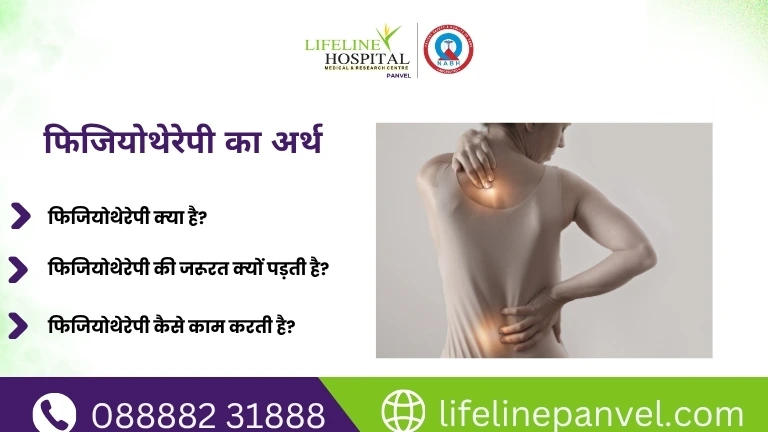
Blog फिजियोथेरेपी का अर्थ फिजियोथेरेपी एक ऐसी उपचार पद्धति है, जो शरीर की गति, मांसपेशियों की ताकत और शारीरिक कार्यक्षमता को बेहतर बनाने में मदद करती है। चोट, सर्जरी, जोड़ों के दर्द या किसी बीमारी के कारण चलने-फिरने में परेशानी होने पर फिजियोथेरेपी उपयोगी हो सकती है। इसमें व्यक्ति की समस्या के अनुसार व्यायाम, मैनुअल थेरेपी और अन्य तकनीकों का उपयोग किया जाता है। फिजियोथेरेपी क्या है? फिजियोथेरेपी का अर्थ है शरीर की शारीरिक क्षमता और गतिविधियों को बेहतर बनाने के लिए विशेष उपचार और व्यायाम का उपयोग करना। इसका उद्देश्य केवल दर्द कम करना ही नहीं, बल्कि मांसपेशियों और जोड़ों की कार्यक्षमता को सुधारना, शरीर की गति बढ़ाना और रोजमर्रा के काम आसानी से करने में मदद करना है। फिजियोथेरेपी को आसान भाषा में समझें आसान भाषा में कहें तो फिजियोथेरेपी शरीर को सही तरीके से फिर से काम करने में मदद करने वाली चिकित्सा पद्धति है। किसी चोट या बीमारी के बाद शरीर का कोई हिस्सा कमजोर या कम गतिशील हो सकता है। ऐसे समय में फिजियोथेरेपिस्ट मरीज की स्थिति का आकलन करके उसके लिए उचित व्यायाम और उपचार की योजना बनाते हैं। फिजियोथेरेपी की जरूरत क्यों पड़ती है? चोट, सर्जरी, लंबे समय तक आराम करने, गलत पोस्चर या मांसपेशियों और जोड़ों से जुड़ी समस्या के कारण शरीर की सामान्य गतिविधियां प्रभावित हो सकती हैं। फिजियोथेरेपी के माध्यम से प्रभावित हिस्से की ताकत, लचीलापन और मूवमेंट को धीरे-धीरे बेहतर करने में मदद मिल सकती है। कई मामलों में यह दर्द और अकड़न को नियंत्रित करने तथा दोबारा समस्या होने के जोखिम को कम करने के लिए भी उपचार का हिस्सा बनती है। किन समस्याओं में फिजियोथेरेपी मदद करती है? फिजियोथेरेपी का उपयोग कमर और गर्दन के दर्द, घुटने या कंधे के दर्द, फ्रोजन शोल्डर, गठिया, खेलों के दौरान लगी चोट, मांसपेशियों में खिंचाव और मोच जैसी समस्याओं में किया जा सकता है। इसके अलावा स्ट्रोक, नसों से जुड़ी कुछ समस्याओं और घुटना या कूल्हा बदलने जैसी सर्जरी के बाद रिहैबिलिटेशन में भी इसकी महत्वपूर्ण भूमिका हो सकती है। फिजियोथेरेपी कैसे काम करती है? फिजियोथेरेपी व्यक्ति की समस्या और शारीरिक क्षमता के अनुसार काम करती है। सबसे पहले फिजियोथेरेपिस्ट दर्द, शरीर की गतिविधि, मांसपेशियों की ताकत, लचीलापन और संतुलन का आकलन करते हैं। इसके बाद समस्या के अनुसार उपचार और व्यायाम चुने जाते हैं। नियमित थेरेपी और घर पर बताए गए व्यायामों का पालन करने से धीरे-धीरे शरीर की कार्यक्षमता में सुधार लाने में मदद मिल सकती है। फिजियोथेरेपी उपचार की प्रक्रिया फिजियोथेरेपी की शुरुआत मरीज की मेडिकल हिस्ट्री और वर्तमान समस्या को समझने से होती है। इसके बाद प्रभावित हिस्से की जांच की जाती है और उपचार का लक्ष्य तय किया जाता है। उपचार में स्ट्रेचिंग, स्ट्रेंथनिंग एक्सरसाइज, मैनुअल थेरेपी, पोस्चर सुधार और आवश्यकता के अनुसार इलेक्ट्रोथेरेपी जैसी तकनीकों का उपयोग किया जा सकता है। उपचार के दौरान मरीज की प्रगति को देखते हुए एक्सरसाइज और थेरेपी की तीव्रता में बदलाव किया जाता है। फिजियोथेरेपी के प्रकार फिजियोथेरेपी को मरीज की समस्या के आधार पर अलग-अलग क्षेत्रों में बांटा जा सकता है। ऑर्थोपेडिक फिजियोथेरेपी का उपयोग हड्डियों, मांसपेशियों और जोड़ों से जुड़ी समस्याओं में किया जाता है। न्यूरोलॉजिकल फिजियोथेरेपी स्ट्रोक, पार्किंसन जैसी न्यूरोलॉजिकल स्थितियों में रिहैबिलिटेशन के लिए उपयोगी हो सकती है। इसके अलावा स्पोर्ट्स फिजियोथेरेपी खिलाड़ियों की चोट और उनकी रिकवरी पर केंद्रित होती है। सर्जरी के बाद की फिजियोथेरेपी का उद्देश्य शरीर की ताकत और गतिशीलता को दोबारा बेहतर करना होता है। फिजियोथेरेपी उपचार की प्रक्रिया फिजियोथेरेपी को मरीज की समस्या के आधार पर अलग-अलग क्षेत्रों में बांटा जा सकता है। ऑर्थोपेडिक फिजियोथेरेपी का उपयोग हड्डियों, मांसपेशियों और जोड़ों से जुड़ी समस्याओं में किया जाता है। न्यूरोलॉजिकल फिजियोथेरेपी स्ट्रोक, पार्किंसन जैसी न्यूरोलॉजिकल स्थितियों में रिहैबिलिटेशन के लिए उपयोगी हो सकती है। इसके अलावा स्पोर्ट्स फिजियोथेरेपी खिलाड़ियों की चोट और उनकी रिकवरी पर केंद्रित होती है। सर्जरी के बाद की फिजियोथेरेपी का उद्देश्य शरीर की ताकत और गतिशीलता को दोबारा बेहतर करना होता है। अलग-अलग समस्याओं के लिए फिजियोथेरेपी के विकल्प कमर या गर्दन के दर्द में विशेष स्ट्रेचिंग और स्ट्रेंथनिंग एक्सरसाइज दी जा सकती हैं। घुटने की समस्या में मांसपेशियों को मजबूत करने वाले व्यायाम उपयोगी हो सकते हैं। कंधे की समस्या में रेंज ऑफ मोशन बढ़ाने पर ध्यान दिया जाता है। वहीं सर्जरी या फ्रैक्चर के बाद धीरे-धीरे मूवमेंट, ताकत और दैनिक गतिविधियों को सामान्य करने के लिए रिहैबिलिटेशन किया जाता है। फिजियोथेरेपी के फायदे फिजियोथेरेपी का प्रमुख लाभ शरीर की गतिशीलता और कार्यक्षमता में सुधार करना है। यह दर्द, मांसपेशियों की कमजोरी और जोड़ों की अकड़न को नियंत्रित करने में मदद कर सकती है। चोट या सर्जरी के बाद सही तरीके से रिहैबिलिटेशन करने से व्यक्ति धीरे-धीरे अपनी सामान्य गतिविधियों की ओर लौट सकता है। कुछ स्थितियों में उचित फिजियोथेरेपी सर्जरी की आवश्यकता को टालने या कम करने वाली उपचार योजना का हिस्सा भी बन सकती है, लेकिन इसका निर्णय समस्या के कारण और गंभीरता के आधार पर डॉक्टर करते हैं। बेहतर रिकवरी के लिए आज ही Lifeline Hospital में फिजियोथेरेपी विशेषज्ञ से सलाह लें। Make Appointment फिजियोथेरेपी से शरीर को कैसे लाभ मिलता है? नियमित और सही तरीके से किए गए व्यायाम मांसपेशियों की ताकत और जोड़ों की गतिशीलता को बेहतर बनाने में मदद कर सकते हैं। इससे चलने, उठने-बैठने और रोजमर्रा के दूसरे काम करने में आसानी हो सकती है। फिजियोथेरेपिस्ट मरीज को शरीर की सही मुद्रा और सुरक्षित तरीके से गतिविधियां करने के बारे में भी समझाते हैं। फिजियोथेरेपी में कौन-कौन सी तकनीकों का उपयोग किया जाता है? समस्या के अनुसार फिजियोथेरेपी में कई तकनीकों का इस्तेमाल किया जा सकता है। इनमें एक्सरसाइज थेरेपी, स्ट्रेचिंग, मैनुअल थेरेपी, पोस्चर करेक्शन और मोबिलाइजेशन शामिल हो सकते हैं। कुछ मामलों में अल्ट्रासाउंड थेरेपी, TENS, IFT, हीट थेरेपी और क्रायोथेरेपी जैसी तकनीकों का भी उपयोग किया जाता है। आधुनिक फिजियोथेरेपी उपचार विधियां आधुनिक फिजियोथेरेपी में मरीज की समस्या के अनुसार व्यक्तिगत उपचार योजना तैयार करने पर जोर दिया जाता है। केवल मशीन आधारित उपचार के बजाय एक्सरसाइज, मैनुअल तकनीक, शिक्षा और रिहैबिलिटेशन को मिलाकर उपचार किया जा सकता है। इससे मरीज को अपनी समस्या को समझने और रिकवरी के दौरान सक्रिय भूमिका निभाने में मदद मिलती है। फिजियोथेरेपी की जरूरत किन लोगों को होती
Ultrasound Therapy in Physiotherapy
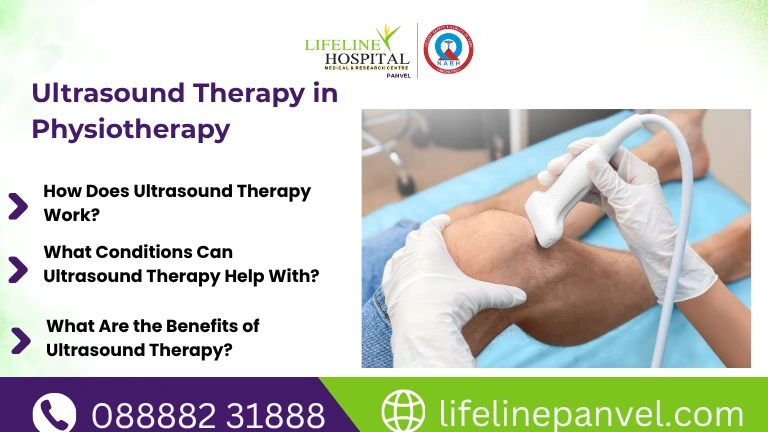
Blog Ultrasound Therapy in Physiotherapy Ultrasound therapy in physiotherapy is a treatment technique that uses high-frequency sound waves to support the healing of muscles, tendons, ligaments, and other soft tissues. Unlike diagnostic ultrasound, which is used to create images inside the body, therapeutic ultrasound is mainly used as part of physiotherapy treatment to help manage pain, stiffness, and certain soft-tissue conditions. During treatment, a physiotherapist applies a small amount of gel to the affected area and gently moves an ultrasound device over the skin. The sound waves travel into the tissues and may produce mild thermal and mechanical effects. The treatment is generally comfortable and does not involve needles or surgery. How Does Ultrasound Therapy Work? Therapeutic ultrasound uses sound waves at frequencies that are higher than the range humans can hear. These waves are delivered through a handheld device and transferred into the body through ultrasound gel. Depending on the treatment settings, the therapy may produce gentle heating in deeper tissues. This can help improve local circulation, reduce muscle stiffness, and make tissues more flexible before stretching or other physiotherapy techniques. Non-thermal effects may also create small mechanical movements within the tissues, which are thought to support cellular activity and tissue repair. The physiotherapist chooses the intensity, frequency, treatment duration, and technique according to the condition being treated. Ultrasound is usually not used alone; it may be combined with exercises, stretching, manual therapy, or other rehabilitation techniques. What Conditions Can Ultrasound Therapy Help With? Ultrasound treatment may be considered for selected soft-tissue and musculoskeletal conditions. It can be used as part of rehabilitation for muscle strains, tendon problems, ligament injuries, joint stiffness, and certain conditions involving inflammation or restricted movement. For example, someone recovering from a soft-tissue injury may experience pain and stiffness that make movement difficult. A physiotherapist may use ultrasound as one component of treatment before therapeutic exercises or stretching. It may also be considered for conditions affecting areas such as the shoulder, elbow, wrist, knee, ankle, or other parts of the body. However, its suitability depends on the diagnosis, stage of healing, and individual symptoms. Not every injury requires ultrasound therapy. What Are the Benefits of Ultrasound Therapy? One of the main reasons therapeutic ultrasound is included in physiotherapy is to complement other rehabilitation techniques. It may help reduce discomfort and stiffness in some patients, allowing them to participate more comfortably in exercises and movement-based therapy. The gentle heating effect can increase tissue extensibility, which may be useful when tight soft tissues are limiting movement. Improved tissue flexibility can make stretching and mobility exercises easier when appropriately prescribed. Another potential benefit is that treatment is non-invasive and generally well tolerated. A typical session does not require injections, incisions, or medication. The physiotherapist can also adjust the treatment settings according to the patient’s condition and treatment goals. However, results vary depending on the underlying problem. Ultrasound should be viewed as one part of a complete physiotherapy programme rather than a standalone solution for every type of pain. What Happens During an Ultrasound Therapy Session? Before treatment begins, the physiotherapist assesses the affected area and reviews your symptoms, movement, and medical history. This helps determine whether therapeutic ultrasound is appropriate. During the session, the skin over the treatment area is exposed and ultrasound gel is applied. The physiotherapist places the ultrasound head against the skin and moves it continuously over the selected area using controlled movements. You may feel a slight warmth or gentle pressure, although many people do not feel the sound waves themselves. The treatment should not cause significant pain. If you experience discomfort, burning, or unusual sensations, tell the physiotherapist immediately so the settings can be adjusted or treatment can be stopped. The session is usually relatively brief, and ultrasound may be followed by stretching, strengthening exercises, joint mobilisation, or other physiotherapy techniques based on your condition. Is Ultrasound Therapy Safe? When used appropriately by a trained physiotherapist, therapeutic ultrasound is generally considered a low-risk treatment. The device settings and treatment area need to be selected carefully to avoid unnecessary exposure or tissue heating. It is important to tell your physiotherapist about any relevant medical conditions, implanted devices, recent procedures, or other health concerns before treatment. Ultrasound may not be appropriate over certain areas or in particular circumstances. For this reason, treatment should be based on a professional assessment rather than using ultrasound simply because an area is painful. Schedule a physiotherapy assessment at Lifeline Panvel to discuss the right treatment approach for your condition. Make Appointment When Should Ultrasound Therapy Be Avoided? Therapeutic ultrasound is not suitable for every person or every body area. Physiotherapists may avoid using it over areas with certain implanted electronic devices, directly over the eyes or reproductive organs, over some areas of active infection, or over areas where treatment could pose a risk. It may also be avoided over certain tumors or areas of impaired sensation, depending on the individual situation. Special consideration may be required during pregnancy and for people with specific medical conditions. A proper assessment is therefore important before starting treatment. Your physiotherapist can determine whether ultrasound is appropriate or whether another treatment would be more suitable. Ultrasound Therapy vs Other Physiotherapy Treatments Ultrasound is only one option available in physiotherapy. Depending on the problem, treatment may include therapeutic exercises, manual therapy, stretching, strengthening, posture correction, balance training, heat or cold therapy, or other modalities. For many musculoskeletal conditions, exercise and active rehabilitation are important parts of recovery. Ultrasound may be used alongside these approaches when the physiotherapist believes it can provide additional support. The most suitable treatment depends on the cause of pain, severity of symptoms, physical limitations, stage of healing, and overall treatment goals. How Many Ultrasound Therapy Sessions Are Needed? There is no fixed number of sessions that works for everyone. The required treatment depends on the condition being treated and how the body responds to rehabilitation. Some patients may receive ultrasound for a limited period, while others may not need it
Heart attack vs Cardiac arrest
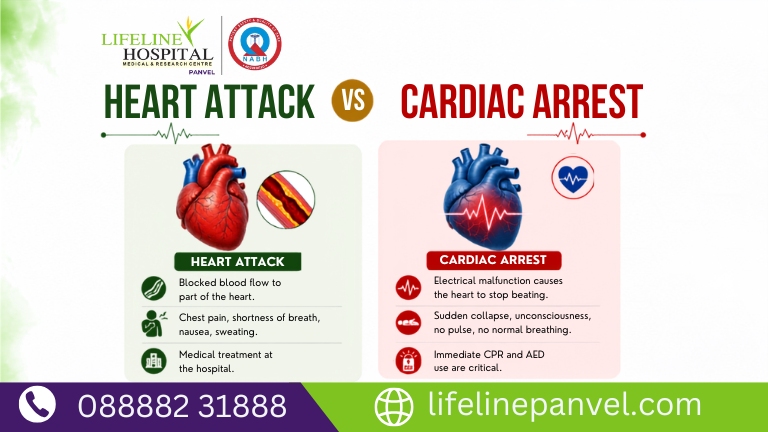
Comparison of Heart Attack & Cardiac Arrest People often use these two terms interchangeably, but they’re not the same thing at all. A heart attack happens when a blood clot or plaque buildup blocks the flow of blood to part of the heart muscle. The heart usually keeps beating, and the person is often conscious though they may feel chest pain, shortness of breath, sweating, nausea, or pain radiating into the arm or jaw. Cardiac arrest is a different beast entirely. It’s an electrical malfunction that causes the heart to stop pumping altogether, leading to sudden collapse, unconsciousness, no pulse, and breathing that’s either abnormal or absent. Here’s the connection worth remembering: a serious heart attack can sometimes trigger the rhythm disturbance that leads to cardiac arrest. Both are emergencies, no question. But cardiac arrest is the one where every second counts ,CPR and an AED, if one’s nearby, can be the difference between life and death. Features Heart Attack Cardiac Arrest Medical Definition Blocked blood flow damages the heart muscle The heart suddenly stops beating effectively Main Problem Circulation (blocked artery) Electrical malfunction of the heart Cause Coronary artery blockage due to plaque or clot Abnormal heart rhythm (arrhythmia), ventricular fibrillation, severe heart disease Does the Heart Beat? Usually yes No, or not effectively Is the Person Conscious? Usually awake initially Usually unconscious within seconds Pulse Usually present No pulse Breathing Usually breathing, may be short of breath No normal breathing or only gasping Common Symptoms Chest pain, sweating, nausea, arm pain, jaw pain Sudden collapse, unconsciousness, no pulse Emergency Response Call emergency services immediately and reach a hospital Call emergency services immediately, begin CPR and use an AED if available Treatment Angioplasty, stent, clot-dissolving medicines, medications CPR, defibrillation (AED), advanced cardiac life support Can One Cause the Other? Yes. A severe heart attack can trigger cardiac arrest. Cardiac arrest is sometimes the result of a heart attack. Survival Depends On How quickly blood flow is restored How quickly CPR and defibrillation begin Experience Quality Health Care Under One Roof Make Appointment