

Nephrology Meaning

Blog Nephrology Meaning: A Complete Guide to Kidney Health and Care The kidneys are among the most important organs in the human body. They work continuously to remove waste products, balance fluids, regulate blood pressure, maintain electrolyte levels, and produce hormones that support overall health. When the kidneys stop functioning properly, it can affect multiple organs and lead to serious health complications if left untreated. Many people search for Nephrology meaning after being referred to a nephrologist or receiving abnormal kidney test results. Knowing what nephrology involves can help patients make informed decisions about their health and seek medical care at the right time. Nephrology is not only concerned with kidney failure but also focuses on preventing, diagnosing, and managing a wide range of kidney-related conditions. At Lifeline Hospital Panvel, the Nephrology department offers comprehensive care for patients experiencing kidney disorders. From early diagnosis and preventive care to advanced treatments such as dialysis, the department provides personalized treatment plans aimed at preserving kidney function and improving quality of life. What Is Nephrology? The Nephrology meaning refers to the branch of medicine that deals with the health of the kidneys. It focuses on identifying, diagnosing, treating, and preventing diseases that affect kidney function. Since the kidneys play a vital role in filtering waste and maintaining the body’s internal balance, even minor kidney problems can have a significant impact on overall health. Nephrology also involves the management of conditions that indirectly affect the kidneys, such as diabetes, high blood pressure, autoimmune disorders, and electrolyte imbalances. A specialist in this field is known as a nephrologist, who is trained to evaluate kidney function, interpret diagnostic tests, recommend appropriate treatments, and monitor patients with both acute and chronic kidney diseases. The goal of nephrology is not only to treat kidney diseases but also to slow disease progression, reduce complications, and help patients maintain the best possible kidney function for as long as possible. What Does a Nephrologist Do? A nephrologist is a medical doctor who specializes in diagnosing and managing diseases affecting the kidneys. Their work begins with identifying the underlying cause of kidney problems through a detailed medical history, physical examination, blood tests, urine tests, and imaging studies. Based on the diagnosis, they prepare a personalized treatment plan that addresses both the kidney condition and any related health issues. Nephrologists manage patients with chronic kidney disease, acute kidney injury, diabetic kidney disease, hypertension-related kidney damage, glomerular diseases, inherited kidney disorders, and electrolyte abnormalities. They also supervise dialysis treatments for patients with advanced kidney failure and work closely with transplant teams for patients who require kidney transplantation. Because kidney diseases are often linked with diabetes, heart disease, and high blood pressure, nephrologists frequently collaborate with physicians, cardiologists, endocrinologists, dietitians, and other specialists to provide complete patient care. Common Conditions Treated in Nephrology Nephrology covers a broad range of kidney disorders that may develop suddenly or gradually over several years. Some conditions are temporary and reversible, while others require lifelong monitoring and treatment. One of the most common conditions managed by nephrologists is Chronic Kidney Disease (CKD). This condition develops gradually and causes a slow decline in kidney function. Diabetes and high blood pressure are the leading causes of CKD, and early diagnosis plays an important role in slowing disease progression. Another important condition is Acute Kidney Injury (AKI), which occurs suddenly due to severe dehydration, infections, medications, reduced blood flow to the kidneys, or major surgery. Unlike chronic kidney disease, acute kidney injury can often be reversed if treated promptly. Nephrologists also treat glomerulonephritis, an inflammatory condition affecting the filtering units of the kidneys. If left untreated, it may permanently damage kidney tissue. Patients with diabetic kidney disease require regular monitoring because persistently high blood sugar levels gradually damage the small blood vessels inside the kidneys. Similarly, uncontrolled high blood pressure can lead to hypertensive kidney disease, making blood pressure control an essential part of kidney care. Although kidney stones are commonly treated by urologists, nephrologists often evaluate patients who develop recurrent kidney stones. They identify metabolic abnormalities and recommend lifestyle modifications to reduce the risk of future stone formation. Inherited conditions such as polycystic kidney disease are also managed within nephrology. This disorder causes multiple cysts to develop inside the kidneys, eventually affecting their normal function. Signs and Symptoms That May Indicate Kidney Disease Kidney diseases are often called “silent diseases” because they may not produce noticeable symptoms during the early stages. Many people continue their daily routine without realizing that their kidney function is gradually declining. By the time symptoms become obvious, significant damage may already have occurred. Some individuals experience swelling around the feet, ankles, legs, or face due to fluid retention. Others may notice changes in urination, such as frequent urination at night, reduced urine output, blood in the urine, or foamy urine caused by protein leakage. Persistent tiredness, weakness, nausea, poor appetite, muscle cramps, difficulty concentrating, and shortness of breath may also indicate reduced kidney function. High blood pressure that remains difficult to control despite medication can sometimes be an early sign of kidney disease. These symptoms may occur due to several medical conditions, but they should never be ignored. Early evaluation allows appropriate treatment before kidney damage progresses further. Who Is More Likely to Develop Kidney Disease? Kidney disease can affect anyone, but certain individuals have a significantly higher risk. People living with diabetes are among the most vulnerable because elevated blood sugar levels gradually damage the kidneys over time. Similarly, uncontrolled high blood pressure places continuous stress on the kidneys and may eventually reduce their filtering capacity. Individuals with obesity, heart disease, autoimmune disorders, recurrent kidney infections, or a family history of kidney disease are also more likely to develop kidney-related problems. Older adults naturally experience a gradual decline in kidney function, making routine health check-ups increasingly important with age. Long-term use of certain pain-relieving medications without medical supervision can also affect kidney health. Smoking further increases the risk by damaging blood vessels and reducing blood
प्रसूति एवं स्त्री रोग विशेषज्ञ (Obstetrics and Gynecology): महिलाओं के स्वास्थ्य की संपूर्ण जानकारी

Blog प्रसूति एवं स्त्री रोग विशेषज्ञ (Obstetrics and Gynecology): महिलाओं के स्वास्थ्य की संपूर्ण जानकारी महिलाओं का स्वास्थ्य जीवन के हर चरण में अलग-अलग आवश्यकताओं से जुड़ा होता है। किशोरावस्था, विवाह, गर्भावस्था, प्रसव और रजोनिवृत्ति तक हर अवस्था में शरीर में कई बदलाव होते हैं, जिनकी सही देखभाल जरूरी होती है। ऐसे में प्रसूति एवं स्त्री रोग (Obstetrics and Gynecology) विभाग महिलाओं को संपूर्ण स्वास्थ्य सेवाएं प्रदान करता है। यह केवल गर्भावस्था और प्रसव तक सीमित नहीं है, बल्कि महिलाओं के प्रजनन स्वास्थ्य, हार्मोनल समस्याओं और विभिन्न स्त्री रोगों के निदान एवं उपचार में भी महत्वपूर्ण भूमिका निभाता है। प्रसूति एवं स्त्री रोग (Obstetrics and Gynecology) क्या है? प्रसूति एवं स्त्री रोग चिकित्सा विज्ञान की वह शाखा है जो महिलाओं के प्रजनन स्वास्थ्य, गर्भावस्था, प्रसव और प्रसव के बाद की देखभाल से संबंधित होती है। इसमें दो अलग-अलग लेकिन एक-दूसरे से जुड़े हुए क्षेत्र शामिल होते हैं—प्रसूति (Obstetrics) और स्त्री रोग (Gynecology)। यह विभाग महिलाओं के स्वास्थ्य को समग्र रूप से समझते हुए किशोरावस्था से लेकर वृद्धावस्था तक आवश्यक चिकित्सा सेवाएं प्रदान करता है। मासिक धर्म की अनियमितता, बांझपन, गर्भाशय से जुड़ी समस्याएं, संक्रमण, हार्मोनल असंतुलन, गर्भावस्था की निगरानी और सुरक्षित प्रसव जैसी अनेक स्थितियों का उपचार इसी विभाग के अंतर्गत किया जाता है। प्रसूति (Obstetrics) और स्त्री रोग (Gynecology) में क्या अंतर है? हालांकि दोनों विषय महिलाओं के स्वास्थ्य से जुड़े हैं, लेकिन इनका कार्यक्षेत्र अलग-अलग होता है। प्रसूति (Obstetrics) मुख्य रूप से गर्भधारण, गर्भावस्था, भ्रूण के विकास, प्रसव और प्रसव के बाद मां एवं शिशु की देखभाल पर केंद्रित होता है। इसमें गर्भावस्था के दौरान नियमित जांच, अल्ट्रासाउंड, प्रसव की योजना और हाई-रिस्क प्रेग्नेंसी का प्रबंधन शामिल होता है। वहीं स्त्री रोग (Gynecology) महिलाओं के प्रजनन अंगों से संबंधित बीमारियों के निदान और उपचार पर केंद्रित होता है। इसमें मासिक धर्म संबंधी समस्याएं, ओवरी की बीमारी, गर्भाशय की गांठें, पीसीओएस, संक्रमण, एंडोमेट्रियोसिस, रजोनिवृत्ति से जुड़ी समस्याएं और अन्य स्त्री रोगों का इलाज किया जाता है। आज अधिकांश विशेषज्ञ दोनों क्षेत्रों में प्रशिक्षित होते हैं, इसलिए एक ही डॉक्टर महिलाओं को गर्भावस्था और स्त्री रोग दोनों से संबंधित उपचार प्रदान कर सकते हैं। स्त्री रोग विशेषज्ञ (Gynecologist) किन समस्याओं का इलाज करते हैं? स्त्री रोग विशेषज्ञ महिलाओं की कई सामान्य और जटिल स्वास्थ्य समस्याओं का निदान और उपचार करते हैं। यदि किसी महिला को मासिक धर्म अनियमित होना, अत्यधिक रक्तस्राव, पीरियड्स के दौरान असहनीय दर्द, बार-बार संक्रमण, सफेद पानी की समस्या, पेल्विक दर्द या हार्मोनल असंतुलन जैसी परेशानी हो, तो गायनेकोलॉजिस्ट से परामर्श लेना चाहिए। इसके अलावा पीसीओएस, गर्भाशय की गांठ (फाइब्रॉइड), ओवरी में सिस्ट, एंडोमेट्रियोसिस, बांझपन, रजोनिवृत्ति से जुड़ी समस्याएं, गर्भाशय ग्रीवा (सर्विक्स) की जांच तथा महिलाओं में होने वाले कुछ कैंसर की शुरुआती पहचान भी स्त्री रोग विशेषज्ञ द्वारा की जाती है। साइटिका के लक्षण क्या हैं? साइटिका के लक्षण हर व्यक्ति में एक जैसे नहीं होते। कुछ लोगों को केवल हल्का दर्द महसूस होता है, जबकि कुछ मरीजों में दर्द काफी गंभीर हो सकता है। सबसे प्रमुख लक्षण कमर के निचले हिस्से से शुरू होकर कूल्हों और एक पैर में नीचे की ओर फैलने वाला दर्द है। कई मरीज इस दर्द को जलन, बिजली के झटके या चुभन जैसा बताते हैं। लंबे समय तक बैठने या खड़े रहने पर यह दर्द अधिक बढ़ सकता है। इसके अलावा पैरों में झनझनाहट, सुन्नपन, मांसपेशियों में कमजोरी, चलने में कठिनाई और पैर उठाने में परेशानी भी दिखाई दे सकती है। कुछ मामलों में मरीज को ऐसा महसूस होता है कि पैर में ताकत कम हो गई है या पैर अचानक जवाब दे रहा है। यदि दर्द के साथ पेशाब या मल पर नियंत्रण कम हो जाए या पैरों में तेजी से कमजोरी बढ़ने लगे, तो यह गंभीर स्थिति हो सकती है और तुरंत डॉक्टर से संपर्क करना चाहिए। समय पर जांच और उपचार कराने से कई गंभीर बीमारियों को शुरुआती अवस्था में ही नियंत्रित किया जा सकता है। लगातार सिरदर्द या न्यूरोलॉजिकल लक्षणों को नज़रअंदाज़ न करें—आज ही विशेषज्ञ से परामर्श लें। Make Appointment प्रसूति एवं स्त्री रोग विशेषज्ञ से कब मिलना चाहिए? अक्सर महिलाएं केवल गर्भावस्था के दौरान ही डॉक्टर से मिलने की सोचती हैं, जबकि कई अन्य परिस्थितियों में भी विशेषज्ञ की सलाह लेना जरूरी होता है। यदि मासिक धर्म कई महीनों तक अनियमित रहे, अत्यधिक दर्द या रक्तस्राव हो, बार-बार संक्रमण हो, गर्भधारण में कठिनाई आ रही हो, पेल्विक दर्द लगातार बना रहे, रजोनिवृत्ति के बाद रक्तस्राव हो या गर्भावस्था का संदेह हो, तो तुरंत प्रसूति एवं स्त्री रोग विशेषज्ञ से संपर्क करना चाहिए। इसके अलावा विवाह से पहले, गर्भधारण की योजना बनाते समय और 40 वर्ष की आयु के बाद नियमित स्वास्थ्य जांच कराना भी महिलाओं के लिए लाभदायक माना जाता है। गर्भावस्था के दौरान नियमित जांच क्यों जरूरी है? गर्भावस्था के दौरान नियमित जांच मां और शिशु दोनों के स्वास्थ्य की सुरक्षा के लिए आवश्यक होती है। इन जांचों के माध्यम से डॉक्टर भ्रूण के विकास, रक्तचाप, रक्त की जांच, शुगर लेवल, वजन और अन्य महत्वपूर्ण पहलुओं की निगरानी करते हैं। समय-समय पर किए जाने वाले अल्ट्रासाउंड से शिशु के विकास का सही आकलन किया जाता है। यदि किसी प्रकार की जटिलता, जैसे हाई ब्लड प्रेशर, गर्भकालीन मधुमेह, एनीमिया या भ्रूण के विकास में समस्या दिखाई देती है, तो उसका समय रहते उपचार शुरू किया जा सकता है। नियमित प्रसवपूर्व जांच सुरक्षित गर्भावस्था और स्वस्थ शिशु के जन्म की संभावना को बढ़ाने में महत्वपूर्ण भूमिका निभाती है। महिलाओं की सामान्य स्त्री रोग संबंधी समस्याएं कौन-सी हैं? महिलाओं में कई प्रकार की स्त्री रोग संबंधी समस्याएं देखने को मिलती हैं। इनमें मासिक धर्म की अनियमितता, पीसीओएस, योनि संक्रमण, यूरिनरी ट्रैक्ट इंफेक्शन, एंडोमेट्रियोसिस, गर्भाशय की गांठें, ओवरी में सिस्ट, हार्मोनल असंतुलन और बांझपन प्रमुख हैं। इसके अलावा कई महिलाओं को रजोनिवृत्ति के दौरान हॉट फ्लैश, नींद की समस्या, मूड में बदलाव और हड्डियों की कमजोरी जैसी परेशानियों का भी सामना करना पड़ता है। इन समस्याओं को सामान्य मानकर नजरअंदाज करना उचित नहीं है। समय पर जांच कराने से बीमारी का सही कारण पता चलता है और उपचार अधिक प्रभावी हो सकता है। प्रसूति एवं स्त्री रोग विभाग में कौन-कौन सी सेवाएं उपलब्ध होती हैं? प्रसूति एवं स्त्री रोग विभाग महिलाओं के स्वास्थ्य की विभिन्न आवश्यकताओं
What Is the Success Rate of Radiation Therapy?

Blog What Is the Success Rate of Radiation Therapy? Radiation therapy is one of the most effective treatments used in modern cancer care. It has helped millions of patients worldwide by destroying cancer cells, shrinking tumors, relieving symptoms, and reducing the chances of cancer returning. For many individuals and their families, one of the first concerns after a diagnosis is what is the success rate of radiation therapy and how it can improve treatment outcomes. The answer is not the same for every patient because the success of radiation therapy depends on several medical factors, including the type of cancer, its stage, the location of the tumor, the patient’s overall health, and whether radiation is combined with surgery, chemotherapy, immunotherapy, or targeted therapy. In many cases, radiation therapy plays a major role in curing cancer, while in others it helps control the disease and improve quality of life. At Lifeline Hospital Panvel, radiation therapy is planned with a patient-focused approach, using advanced treatment techniques that aim to maximize effectiveness while protecting healthy tissues. How Radiation Therapy Works Radiation therapy uses carefully controlled high-energy rays or particles to damage the DNA inside cancer cells. Unlike healthy cells, cancer cells have a limited ability to repair this damage. As a result, they stop growing, lose the ability to divide, and gradually die. Over time, the body naturally removes these damaged cells. Radiation treatment may be delivered from outside the body using external beam radiation therapy or from inside the body through internal radiation therapy, also known as brachytherapy. Treatment depends on the type, size and location of the cancer. Because treatment is precisely planned using imaging and advanced technology, radiation can target cancer cells while reducing exposure to nearby healthy tissues. What Determines the Success Rate of Radiation Therapy? Many patients ask what is the success rate of radiation therapy because they want a realistic idea of treatment outcomes. Rather than having one fixed percentage, success is measured based on the treatment goal and the patient’s individual condition. Type of Cancer Different cancers respond differently to radiation. Cancers such as prostate cancer, breast cancer, cervical cancer, head and neck cancers, Hodgkin lymphoma, and certain skin cancers often respond very well to radiation therapy. Some cancers are highly sensitive to radiation, while others may require a combination of treatments. Stage of Cancer Early-stage cancers generally have higher treatment success rates because the disease is confined to a smaller area. Radiation therapy may completely eliminate localized tumors or significantly reduce the risk of recurrence after surgery. Advanced cancers may require radiation to shrink tumors, slow disease progression, relieve symptoms, or improve overall comfort rather than achieve a complete cure. Tumor Location The position of the tumor affects how effectively radiation can be delivered.Better treatment results and less damage to surrounding organs are more likely when the tumors are situated in locations where the radiation can be directed accurately. Overall Health of the Patient A patient’s age, nutrition, immune function, existing medical conditions, and ability to tolerate treatment all influence the overall effectiveness of radiation therapy. Combination with Other Treatments Radiation therapy is frequently combined with surgery, chemotherapy, hormone therapy, immunotherapy, or targeted therapy. These combined approaches often improve treatment success, especially for cancers that require multiple treatment methods. Success Rates in Different Types of Cancer The success of radiation therapy varies depending on the specific cancer being treated. For early-stage breast cancer, radiation therapy after breast-conserving surgery significantly lowers the chance of cancer returning while maintaining excellent long-term survival. In prostate cancer, radiation therapy provides very high local control rates, especially when the disease is detected early. Many patients remain cancer-free for years after treatment. Head and neck cancers often respond well when radiation is combined with chemotherapy, preserving important functions such as speaking and swallowing while effectively treating the cancer. For cervical cancer, radiation therapy combined with chemotherapy has become a standard treatment that improves survival rates for many women. Lung cancer outcomes depend on the cancer stage. Early-stage lung cancers may be treated successfully with highly focused radiation techniques, while advanced stages often benefit from radiation as part of a comprehensive treatment plan. In brain tumors, radiation therapy helps control tumor growth, reduce symptoms, and improve long-term outcomes for selected patients. Blood cancers such as Hodgkin lymphoma also respond well to carefully planned radiation therapy, particularly when combined with chemotherapy. When Radiation Therapy Is Used to Cure Cancer Radiation therapy is considered curative in many situations. It may be used as the primary treatment when surgery is not required or cannot be performed. It is also commonly given after surgery to destroy microscopic cancer cells that may remain and reduce the risk of recurrence. In some cancers, radiation therapy is delivered before surgery to shrink the tumor, making surgery easier and more effective. Curative treatment usually involves multiple sessions delivered over several weeks according to a carefully planned schedule H2: When Radiation Therapy Is Used for Symptom Relief. Not every patient receives radiation with the goal of curing cancer. In advanced stages, radiation therapy is often used as palliative treatment to improve quality of life. It can reduce pain caused by bone metastases, relieve pressure on nerves, shrink tumors causing breathing difficulties, reduce bleeding, and improve swallowing in patients with cancers affecting the food pipe or throat. Even when complete cure is not possible, radiation therapy often provides significant symptom relief and helps patients remain more comfortable during treatment. Modern Technology Has Improved Radiation Therapy Outcomes. Radiation therapy has changed significantly over the past few decades. Modern equipment allows highly accurate treatment planning and delivery. Advanced imaging techniques help specialists identify the exact location of tumors before every treatment session. Technologies such as Image-Guided Radiation Therapy (IGRT), Intensity-Modulated Radiation Therapy (IMRT), Volumetric Modulated Arc Therapy (VMAT), and Stereotactic Body Radiation Therapy (SBRT) enable radiation beams to match the shape of the tumor more precisely. These advances increase treatment accuracy, reduce unnecessary radiation exposure to healthy tissues, lower side effects, and improve
साइटिका का इलाज: कारण, लक्षण, उपचार और बचाव की पूरी जानकारी

Blog साइटिका का इलाज: कारण, लक्षण, उपचार और बचाव की पूरी जानकारी कमर से शुरू होकर कूल्हों और पैरों तक फैलने वाला तेज दर्द कई बार सामान्य कमर दर्द नहीं, बल्कि साइटिका की समस्या हो सकती है। यह स्थिति व्यक्ति की रोजमर्रा की गतिविधियों, चलने-फिरने और बैठने तक को प्रभावित कर सकती है। समय रहते सही पहचान और उपचार मिलने पर अधिकांश मरीजों को काफी राहत मिल सकती है। आइए जानते हैं कि साइटिका क्या है, इसके कारण, लक्षण, इलाज और बचाव के तरीके क्या हैं। साइटिका क्या है? साइटिका (Sciatica) कोई अलग बीमारी नहीं, बल्कि एक ऐसी स्थिति है जिसमें शरीर की सबसे लंबी नस, यानी साइटिक नर्व, प्रभावित हो जाती है। यह नस कमर के निचले हिस्से से शुरू होकर कूल्हों, जांघों और पैरों तक जाती है। जब किसी कारण से इस नस पर दबाव पड़ता है या उसमें सूजन आ जाती है, तो व्यक्ति को कमर से पैर तक फैलने वाला दर्द महसूस होता है। साइटिका का दर्द एक पैर में अधिक महसूस होना सामान्य बात है, हालांकि कुछ मामलों में दोनों पैरों में भी परेशानी हो सकती है। दर्द हल्का भी हो सकता है और इतना तेज भी कि व्यक्ति का उठना-बैठना, चलना या लंबे समय तक खड़ा रहना मुश्किल हो जाए। आजकल लंबे समय तक बैठकर काम करना, गलत पॉश्चर, बढ़ता वजन और शारीरिक गतिविधि की कमी के कारण यह समस्या पहले की तुलना में अधिक देखने को मिल रही है। अच्छी बात यह है कि अधिकांश मामलों में सही उपचार, फिजियोथेरेपी और जीवनशैली में बदलाव से साइटिका को नियंत्रित किया जा सकता है। साइटिका का मुख्य कारण क्या है? साइटिका का सबसे सामान्य कारण रीढ़ की हड्डी के बीच मौजूद डिस्क का अपनी जगह से खिसक जाना, जिसे स्लिप डिस्क या हर्निएटेड डिस्क कहा जाता है। जब डिस्क बाहर की ओर उभर जाती है, तो वह साइटिक नर्व पर दबाव डालती है और दर्द शुरू हो जाता है। इसके अलावा उम्र बढ़ने के साथ रीढ़ की हड्डी में होने वाले घिसाव, स्पाइनल स्टेनोसिस (रीढ़ की नली का संकरा होना), हड्डियों में अतिरिक्त वृद्धि (बोन स्पर), चोट, दुर्घटना या रीढ़ से जुड़ी अन्य समस्याएं भी साइटिका का कारण बन सकती हैं। कुछ लोगों में लंबे समय तक गलत तरीके से बैठना, बार-बार भारी वजन उठाना, लगातार वाहन चलाना, मोटापा और शारीरिक गतिविधि की कमी भी इस समस्या का जोखिम बढ़ा देती है। मधुमेह जैसी बीमारियां नसों को प्रभावित करके साइटिका की संभावना बढ़ा सकती हैं। साइटिका और सामान्य कमर दर्द में क्या अंतर है? सामान्य कमर दर्द और साइटिका को कई लोग एक ही समस्या समझ लेते हैं, जबकि दोनों में स्पष्ट अंतर होता है। सामान्य कमर दर्द आमतौर पर केवल कमर तक सीमित रहता है और आराम करने, दवा लेने या हल्की एक्सरसाइज से जल्दी ठीक हो सकता है। वहीं साइटिका में दर्द केवल कमर तक सीमित नहीं रहता। यह कमर से शुरू होकर कूल्हों, जांघ, पिंडली और कभी-कभी पैर की उंगलियों तक फैल जाता है। कई मरीजों को दर्द के साथ झनझनाहट, सुन्नपन या पैरों में कमजोरी भी महसूस होती है। सामान्य कमर दर्द में नस प्रभावित नहीं होती, जबकि साइटिका में साइटिक नर्व पर दबाव होने के कारण दर्द का स्वरूप अलग होता है। बैठने, छींकने, खांसने या लंबे समय तक एक ही स्थिति में रहने पर साइटिका का दर्द बढ़ सकता है। साइटिका के लक्षण क्या हैं? साइटिका के लक्षण हर व्यक्ति में एक जैसे नहीं होते। कुछ लोगों को केवल हल्का दर्द महसूस होता है, जबकि कुछ मरीजों में दर्द काफी गंभीर हो सकता है। सबसे प्रमुख लक्षण कमर के निचले हिस्से से शुरू होकर कूल्हों और एक पैर में नीचे की ओर फैलने वाला दर्द है। कई मरीज इस दर्द को जलन, बिजली के झटके या चुभन जैसा बताते हैं। लंबे समय तक बैठने या खड़े रहने पर यह दर्द अधिक बढ़ सकता है। इसके अलावा पैरों में झनझनाहट, सुन्नपन, मांसपेशियों में कमजोरी, चलने में कठिनाई और पैर उठाने में परेशानी भी दिखाई दे सकती है। कुछ मामलों में मरीज को ऐसा महसूस होता है कि पैर में ताकत कम हो गई है या पैर अचानक जवाब दे रहा है। यदि दर्द के साथ पेशाब या मल पर नियंत्रण कम हो जाए या पैरों में तेजी से कमजोरी बढ़ने लगे, तो यह गंभीर स्थिति हो सकती है और तुरंत डॉक्टर से संपर्क करना चाहिए। लगातार सिरदर्द या न्यूरोलॉजिकल लक्षणों को नज़रअंदाज़ न करें—आज ही विशेषज्ञ से परामर्श लें। Make Appointment साइटिका का दर्द कहाँ होता है? साइटिका का दर्द आमतौर पर कमर के निचले हिस्से से शुरू होता है और कूल्हों के पीछे की ओर जाता हुआ जांघ, पिंडली और पैर तक पहुंच सकता है। अधिकतर मामलों में यह दर्द शरीर के केवल एक तरफ होता है। कुछ मरीजों को केवल जांघ तक दर्द महसूस होता है, जबकि कुछ में यह एड़ी या पैर की उंगलियों तक भी पहुंच सकता है। दर्द के साथ जलन, झनझनाहट या सुन्नपन भी हो सकता है। बैठने, आगे झुकने, भारी सामान उठाने या अचानक उठने पर दर्द बढ़ सकता है। वहीं चलने या सही तरीके से स्ट्रेचिंग करने पर कुछ लोगों को राहत भी मिलती है। साइटिका का इलाज कैसे किया जाता है? साइटिका का इलाज उसके कारण और दर्द की गंभीरता पर निर्भर करता है। अधिकांश मरीजों में शुरुआत दवाओं, आराम, फिजियोथेरेपी और जीवनशैली में बदलाव से की जाती है। दर्द और सूजन कम करने के लिए डॉक्टर दर्द निवारक दवाएं, मांसपेशियों को आराम देने वाली दवाएं या आवश्यकता अनुसार अन्य दवाएं लिख सकते हैं। इनके साथ नियमित फिजियोथेरेपी करवाना काफी लाभदायक माना जाता है। फिजियोथेरेपिस्ट मरीज की स्थिति के अनुसार ऐसी एक्सरसाइज करवाते हैं जो रीढ़ की हड्डी को मजबूत बनाती हैं और नस पर पड़ने वाले दबाव को कम करने में मदद करती हैं। यदि लंबे समय तक दवा और फिजियोथेरेपी से आराम न मिले या नस पर दबाव बहुत अधिक हो, तो डॉक्टर स्टेरॉयड इंजेक्शन या सर्जरी की सलाह भी दे सकते हैं। हालांकि हर मरीज को ऑपरेशन की आवश्यकता नहीं होती। क्या साइटिका बिना ऑपरेशन के ठीक हो सकता है? हाँ, अधिकांश मामलों में साइटिका बिना ऑपरेशन के ही ठीक हो सकता है। यदि समय
ब्रेन ट्यूमर के शुरुआती लक्षण क्या हैं? कारण, पहचान और उपचार
Blog ब्रेन ट्यूमर के शुरुआती लक्षण क्या हैं? कारण, पहचान और उपचार इस लेख में हम जानेंगे कि ब्रेन ट्यूमर क्या होता है, इसके शुरुआती लक्षण कौन-से हैं, इसका पता कैसे लगाया जाता है, उपचार के विकल्प क्या हैं और ऐसी स्थिति में विशेषज्ञ चिकित्सा क्यों आवश्यक होती है। परिचय मस्तिष्क हमारे शरीर का सबसे महत्वपूर्ण अंग है, जो सोचने, याद रखने, बोलने, चलने-फिरने, संतुलन बनाए रखने और शरीर के लगभग हर कार्य को नियंत्रित करता है। ऐसे में यदि मस्तिष्क में कोशिकाओं की असामान्य वृद्धि होने लगे, तो यह ब्रेन ट्यूमर का रूप ले सकती है। हालांकि “ट्यूमर” शब्द सुनते ही कई लोग इसे कैंसर समझ लेते हैं, लेकिन हर ब्रेन ट्यूमर कैंसर नहीं होता। कुछ ट्यूमर सौम्य (Benign) होते हैं, जबकि कुछ घातक (Malignant) हो सकते हैं। ब्रेन ट्यूमर के शुरुआती लक्षण अक्सर सामान्य समस्याओं जैसे सिरदर्द, चक्कर आना या कमजोरी से मिलते-जुलते होते हैं। इसी कारण कई लोग इन संकेतों को नजरअंदाज कर देते हैं और समय पर जांच नहीं कराते। लेकिन यदि इन लक्षणों की सही समय पर पहचान हो जाए, तो उपचार शुरू करने में आसानी होती है और बेहतर परिणाम मिलने की संभावना बढ़ जाती है। ब्रेन ट्यूमर क्या होता है? ब्रेन ट्यूमर मस्तिष्क या उसके आसपास मौजूद कोशिकाओं की असामान्य और अनियंत्रित वृद्धि को कहा जाता है। जब ये कोशिकाएं तेजी से बढ़ने लगती हैं, तो वे एक गांठ या मास (Mass) का रूप ले लेती हैं, जिसे ब्रेन ट्यूमर कहा जाता है। जैसे-जैसे ट्यूमर का आकार बढ़ता है, वह मस्तिष्क के विभिन्न भागों पर दबाव डाल सकता है और उनके सामान्य कार्यों को प्रभावित कर सकता है। ब्रेन ट्यूमर मुख्य रूप से दो प्रकार के होते हैं। बेनाइन (Benign) ब्रेन ट्यूमर यह कैंसरयुक्त नहीं होता और सामान्यतः धीरे-धीरे बढ़ता है। हालांकि, यदि इसका आकार बड़ा हो जाए या यह मस्तिष्क के संवेदनशील हिस्से में हो, तो गंभीर समस्याएं पैदा कर सकता है। मैलिग्नेंट (Malignant) ब्रेन ट्यूमर यह कैंसरयुक्त होता है और तेजी से बढ़ सकता है। ऐसे ट्यूमर आसपास के ऊतकों को भी प्रभावित कर सकते हैं, इसलिए इनका समय पर उपचार बेहद जरूरी होता है। ब्रेन ट्यूमर को एक अन्य आधार पर भी वर्गीकृत किया जाता है। प्राइमरी ब्रेन ट्यूमर – जो मस्तिष्क में ही शुरू होता है। सेकेंडरी या मेटास्टेटिक ब्रेन ट्यूमर – जब शरीर के किसी अन्य अंग, जैसे फेफड़े, स्तन या किडनी का कैंसर मस्तिष्क तक फैल जाता है। ब्रेन ट्यूमर किसी भी उम्र के व्यक्ति को हो सकता है। हालांकि, इसके लक्षण, प्रकार और उपचार मरीज की उम्र, स्वास्थ्य, ट्यूमर के आकार और उसकी स्थिति पर निर्भर करते हैं। लगातार सिरदर्द या न्यूरोलॉजिकल लक्षणों को नज़रअंदाज़ न करें—आज ही विशेषज्ञ से परामर्श लें। Make Appointment ब्रेन ट्यूमर के शुरुआती लक्षण क्या हैं? ब्रेन ट्यूमर के शुरुआती लक्षण हर व्यक्ति में एक जैसे नहीं होते। यह इस बात पर निर्भर करता है कि ट्यूमर मस्तिष्क के किस हिस्से में है और उसका आकार कितना है। कई बार शुरुआत में लक्षण हल्के होते हैं, लेकिन समय के साथ वे अधिक स्पष्ट होने लगते हैं। ब्रेन ट्यूमर के कुछ सामान्य शुरुआती लक्षण इस प्रकार हैं। लगातार या असामान्य सिरदर्द यदि सिरदर्द बार-बार हो, धीरे-धीरे बढ़ता जाए, सुबह उठने पर अधिक महसूस हो या सामान्य दवाओं से आराम न मिले, तो इसे नजरअंदाज नहीं करना चाहिए। मतली और उल्टी बिना किसी पाचन संबंधी समस्या के बार-बार उल्टी आना, विशेषकर सुबह के समय, मस्तिष्क के भीतर बढ़े हुए दबाव का संकेत हो सकता है। दौरे (Seizures) जिस व्यक्ति को पहले कभी दौरे नहीं पड़े हों और अचानक दौरे आने लगें, तो यह ब्रेन ट्यूमर का शुरुआती संकेत हो सकता है। दृष्टि संबंधी समस्याएं धुंधला दिखाई देना, दोहरी दृष्टि, देखने का दायरा कम होना या अचानक दृष्टि में बदलाव महसूस होना भी महत्वपूर्ण लक्षण हैं। संतुलन और चलने में कठिनाई चलते समय लड़खड़ाना, बार-बार गिरना या शरीर का संतुलन बिगड़ना मस्तिष्क के संतुलन नियंत्रित करने वाले भाग के प्रभावित होने का संकेत हो सकता है। याददाश्त और व्यवहार में बदलाव भूलने की समस्या, ध्यान केंद्रित करने में कठिनाई, व्यक्तित्व में बदलाव, चिड़चिड़ापन या भ्रम की स्थिति भी ब्रेन ट्यूमर के कारण हो सकती है। हाथ या पैर में कमजोरी शरीर के किसी एक हिस्से में कमजोरी, सुन्नपन या झुनझुनी महसूस होना भी गंभीर संकेत हो सकता है। बोलने या समझने में परेशानी शब्द स्पष्ट न बोल पाना, दूसरों की बात समझने में कठिनाई या अचानक भाषा संबंधी समस्या होना भी जांच की आवश्यकता दर्शाता है। यदि इनमें से कोई भी लक्षण लगातार बने रहें या समय के साथ बढ़ते जाएं, तो जल्द से जल्द न्यूरोलॉजिस्ट से परामर्श लेना चाहिए। ब्रेन ट्यूमर का फर्स्ट स्टेज क्या होता है? कई लोग यह जानना चाहते हैं कि ब्रेन ट्यूमर का पहला चरण कैसा होता है। वास्तव में सभी ब्रेन ट्यूमर को कैंसर की तरह स्टेज 1, 2, 3 और 4 में विभाजित नहीं किया जाता। कई प्रकार के ब्रेन ट्यूमर को उनके ग्रेड (Grade) के आधार पर वर्गीकृत किया जाता है, जो यह बताता है कि ट्यूमर कितनी तेजी से बढ़ सकता है। शुरुआती अवस्था में ट्यूमर का आकार छोटा हो सकता है और लक्षण भी हल्के हो सकते हैं। कई मामलों में मरीज को केवल बीच-बीच में सिरदर्द, हल्का चक्कर, ध्यान केंद्रित करने में कठिनाई या दृष्टि में मामूली बदलाव महसूस होते हैं। यही कारण है कि शुरुआती अवस्था में ब्रेन ट्यूमर की पहचान करना कभी-कभी चुनौतीपूर्ण होता है। यदि इस समय उचित जांच कर ली जाए, तो उपचार अपेक्षाकृत आसान हो सकता है। कई मरीजों में समय रहते सर्जरी या अन्य उपचार के माध्यम से अच्छे परिणाम प्राप्त किए जा सकते हैं। ब्रेन ट्यूमर कितने दिन में पता चलता है? ब्रेन ट्यूमर का पता कितने समय में चलेगा, इसका कोई निश्चित उत्तर नहीं है। यह पूरी तरह इस बात पर निर्भर करता है कि मरीज में लक्षण कब शुरू हुए, उनकी गंभीरता कितनी है और उसने डॉक्टर से कब संपर्क किया। कुछ लोगों में तेज सिरदर्द, दौरे या अचानक दृष्टि संबंधी समस्या होने पर कुछ ही दिनों में जांच के दौरान ब्रेन ट्यूमर का पता चल सकता है। वहीं कुछ मरीजों में लक्षण धीरे-धीरे विकसित होते हैं
What Is Obstetrics and Gynecology? Services, Benefits and Women’s Health Care

Blog What Is Obstetrics and Gynecology? Services, Benefits and Women’s Health Care Women’s healthcare needs change throughout different stages of life, from adolescence and pregnancy to menopause and beyond. Regular medical care helps detect health concerns early, supports healthy pregnancies, and promotes overall well-being. If you’ve ever wondered what is obstetrics and gynecology, it is a specialized branch of medicine dedicated to caring for the female reproductive system and managing pregnancy, childbirth, and postnatal health. Obstetrics and gynecology are closely connected because both focus on women’s health, but they serve different purposes. While obstetrics deals with pregnancy and childbirth, gynecology focuses on the diagnosis, treatment, and prevention of conditions affecting the female reproductive organs. Together, these specialties provide comprehensive care for women throughout every stage of life. What Is Obstetrics and Gynecology? Obstetrics and gynecology, commonly known as OB-GYN, is a medical specialty that combines two important areas of women’s healthcare. Obstetrics focuses on pregnancy, childbirth, and the health of both mother and baby before, during, and after delivery. Gynecology focuses on the female reproductive system, including the uterus, ovaries, fallopian tubes, cervix, and vagina, while also addressing menstrual disorders, hormonal conditions, fertility concerns, and menopause. An obstetrician and gynecologist is trained to diagnose, treat, and manage a wide range of health conditions while providing preventive care and guidance for maintaining reproductive health. What Is the Difference Between Obstetrics and Gynecology? Although the two specialties are often practiced together, they have different roles. Obstetrics is dedicated to pregnancy-related care, beginning with prenatal check-ups and continuing through labour, delivery, and postpartum recovery. Obstetricians monitor both maternal and fetal health, identify pregnancy complications, and ensure safe childbirth. Gynecology, on the other hand, focuses on the health of the female reproductive system regardless of pregnancy. It includes routine health screenings, treatment for infections, menstrual disorders, pelvic pain, hormonal imbalances, infertility evaluations, contraception counselling, and menopause management. Since women’s healthcare needs often overlap, many specialists provide both obstetric and gynecological services. Services Offered in Obstetrics and Gynecology Obstetrics and gynecology cover a wide range of healthcare services designed to support women throughout their lives. Pregnancy care includes regular prenatal check-ups, ultrasound monitoring, nutritional guidance, labour management, delivery, and postnatal care. Gynecological services include pelvic examinations, Pap smear screening, HPV vaccination, menstrual disorder treatment, fertility evaluation, family planning, contraception advice, menopause care, and treatment for reproductive health conditions. These services help ensure early diagnosis, effective treatment, and long-term reproductive wellness. Common Conditions Treated by an Obstetrician and Gynecologist OB-GYN specialists diagnose and manage numerous conditions affecting women’s reproductive health. Common concerns include irregular or painful menstrual cycles, heavy menstrual bleeding, polycystic ovary syndrome (PCOS), ovarian cysts, uterine fibroids, endometriosis, pelvic inflammatory disease, vaginal infections, infertility, urinary incontinence, cervical abnormalities, and menopause-related symptoms. During pregnancy, obstetricians also manage gestational diabetes, pregnancy-induced hypertension, multiple pregnancies, fetal growth monitoring, and other pregnancy-related complications to support a healthy outcome for both mother and baby. Importance of Regular Gynecological Check-ups Routine gynecological examinations play an essential role in maintaining women’s health. Regular check-ups help detect cervical cancer, breast abnormalities, sexually transmitted infections, and reproductive disorders at an early stage when treatment is often more effective. These visits also provide an opportunity to discuss menstrual concerns, contraception, fertility planning, sexual health, and menopause. Even women without symptoms benefit from periodic examinations because many gynecological conditions develop gradually without obvious signs. Pregnancy Care in Obstetrics Pregnancy requires continuous medical monitoring to ensure the health of both mother and baby. Obstetric care begins soon after pregnancy is confirmed and includes scheduled prenatal visits, ultrasound scans, blood tests, nutritional counselling, vaccination recommendations, and monitoring fetal growth. As pregnancy progresses, obstetricians monitor blood pressure, baby’s position, fetal development, and maternal health while identifying any complications that may require additional care. Proper obstetric management contributes significantly to a safer pregnancy and delivery. When Should You Visit an OB-GYN? Women should schedule a visit to an obstetrician and gynecologist whenever they experience unusual symptoms such as irregular periods, severe menstrual pain, abnormal vaginal bleeding, persistent pelvic pain, unusual discharge, difficulty conceiving, breast changes, or symptoms associated with menopause. Pregnant women should begin prenatal care as early as possible after confirming pregnancy. Even in the absence of symptoms, annual gynecological check-ups are recommended to maintain reproductive health and identify potential concerns before they become serious. Benefits of Obstetrics and Gynecology Care Regular obstetrics and gynecology care offers numerous benefits throughout every stage of a woman’s life. It supports healthy pregnancies, promotes reproductive wellness, identifies medical conditions at an early stage, and helps prevent complications through timely treatment. It also provides personalised guidance regarding family planning, contraception, fertility, hormonal health, menopause, nutrition, and lifestyle modifications. Continuous care from an OB-GYN contributes to improved long-term health and enhances overall quality of life. How to Prepare for Your Appointment Preparing for an OB-GYN appointment helps ensure a productive consultation. It is helpful to note your menstrual cycle details, current medications, previous surgeries, allergies, pregnancy history, and any symptoms you have been experiencing. Patients should also prepare questions regarding contraception, pregnancy planning, fertility concerns, menopause, or any reproductive health issue they wish to discuss. Open communication allows the doctor to provide personalised recommendations based on individual health needs. Why Choose Lifeline Hospital Panvel? Lifeline Hospital offers comprehensive obstetrics and gynecology services with a patient-centred approach for women of all ages. The hospital provides advanced diagnostic facilities, experienced specialists, modern maternity care, high-risk pregnancy management, routine gynecological services, minimally invasive procedures, and compassionate support throughout every stage of treatment. From adolescence to pregnancy and menopause, patients receive personalised care focused on safety, comfort, and long-term reproductive health. Conclusion If you’ve been wondering what is obstetrics and gynecology, it is a specialised field of medicine that supports women’s health throughout every phase of life. From routine health screenings and menstrual care to pregnancy management and menopause support, obstetrics and gynecology play a vital role in maintaining reproductive wellness. Regular consultations with an OB-GYN can help detect health concerns early, promote healthy pregnancies, and
What Are Veneers? A Complete Guide to a Beautiful Smile

Blog What Are Veneers? A Complete Guide to a Beautiful Smile A bright, attractive smile can make a lasting impression, but chipped, stained, uneven, or slightly misaligned teeth often affect confidence. Cosmetic dentistry offers several treatments to improve the appearance of teeth, and veneers are among the most popular choices. If you have been wondering what are veneers, they are thin, custom-made shells that cover the front surface of teeth to enhance their color, shape, size, and overall appearance. Veneers are designed to look natural while preserving most of your existing tooth structure. They are widely chosen by people looking for a long-lasting smile makeover without undergoing extensive dental procedures. Whether you have discoloration that doesn’t respond to teeth whitening or small gaps between teeth, veneers can provide an effective cosmetic solution. What Are Veneers? What are veneers? Veneers are ultra-thin coverings made from porcelain or composite resin that are bonded to the front surface of teeth. They are custom-crafted to match the shape, color, and size of your natural teeth, creating a seamless and attractive smile. Unlike crowns, which cover the entire tooth, veneers only cover the visible front portion. This makes them a more conservative cosmetic treatment while still delivering impressive aesthetic results. Dentists commonly recommend veneers for patients with healthy teeth and gums who want to improve the appearance of their smile rather than treat major dental problems. Who Can Benefit from Veneers? Veneers are suitable for people who want to improve cosmetic imperfections such as stained teeth that cannot be treated with whitening, chipped or cracked teeth, worn-down teeth, unevenly shaped teeth, small gaps between teeth, or mildly misaligned teeth. A dental examination is necessary to determine whether veneers are the best option. Patients should have good oral health, healthy gums, and enough enamel to support the bonding process. Types of Veneers Porcelain Veneers Porcelain veneers are highly durable and closely resemble natural tooth enamel. They resist stains better than composite veneers and typically last much longer with proper care. Their lifelike appearance makes them one of the most preferred cosmetic dental treatments. Composite Veneers Composite veneers are made using tooth-colored resin. They usually require less enamel removal and can often be completed in a single visit. While they are more affordable than porcelain veneers, they may stain more easily and generally have a shorter lifespan. The Veneers Procedure The process of getting veneers usually involves two to three dental visits. During the first appointment, the dentist evaluates your oral health, discusses your smile goals, and determines whether veneers are suitable for you. Digital scans, photographs, or dental impressions may be taken to plan the treatment. In the preparation stage, a very thin layer of enamel is removed from the front of the teeth to create space for the veneers. This ensures they fit naturally without appearing bulky. For porcelain veneers, impressions are sent to a dental laboratory where the custom veneers are fabricated. Temporary veneers may be placed until the final ones are ready. Once the permanent veneers are prepared, the dentist checks their fit, color, and appearance before bonding them securely to the teeth using a strong dental adhesive. Final adjustments are made to ensure comfort and a natural bite. Benefits of Veneers Veneers have become one of the most popular cosmetic dental treatments because they offer several advantages. They provide a natural-looking smile by closely matching the appearance of natural teeth. They can effectively cover stains that do not respond to professional whitening treatments. Veneers also improve the shape and symmetry of teeth, making the smile appear more balanced. Porcelain veneers are resistant to stains from coffee, tea, and other commonly consumed beverages. They require minimal tooth preparation compared to crowns and can significantly improve confidence by creating a brighter, more attractive smile. How Long Do Veneers Last? The lifespan of veneers depends on the material used, oral hygiene, and lifestyle habits. Porcelain veneers typically last between 10 and 15 years, while composite veneers generally last around 5 to 7 years. Some patients enjoy even longer results by maintaining excellent oral hygiene and attending regular dental check-ups. Avoiding habits such as biting nails, chewing ice, or using teeth to open packages can also help extend the life of veneers. Caring for Veneers Maintaining veneers is similar to caring for natural teeth. Brush twice daily using a soft-bristled toothbrush and fluoride toothpaste. Floss every day to keep your gums healthy and prevent plaque buildup around the veneers. Regular dental cleanings and routine examinations help ensure that both the veneers and the underlying teeth remain in good condition. If you grind your teeth during sleep, your dentist may recommend wearing a night guard to protect your veneers from excessive pressure. Are Veneers Permanent? Veneers are generally considered a permanent cosmetic treatment because a small amount of enamel is removed during preparation. Once the enamel has been reduced, the tooth will always require some type of restoration. Although veneers themselves may eventually need replacement due to wear or damage, the treatment provides long-lasting improvements when properly maintained. Are Veneers Safe? Yes. Veneers are considered a safe cosmetic dental treatment when performed by an experienced dentist. The materials used are biocompatible, and the bonding process is well-established in modern dentistry. A comprehensive dental evaluation is important before treatment to ensure that problems such as gum disease, cavities, or teeth grinding are addressed beforehand. Factors That Affect the Cost of Veneers The cost of veneers can vary depending on several factors, including the number of teeth being treated, the type of veneer selected, the complexity of the case, the dentist’s expertise, the location of the dental clinic, and any additional procedures required before treatment. During your consultation, your dentist will provide a personalized treatment plan along with an estimated cost based on your smile goals. Why Choose Lifeline Hospital? Lifeline Hospital provides comprehensive dental care with a patient-focused approach. The dental team carefully evaluates each smile and creates personalized treatment plans based on individual needs and expectations.
Tooth Cavity Filling: Treatment, Benefits, Cost and Aftercare in Panvel

Blog Tooth Cavity Filling: Treatment, Benefits, Cost and Aftercare in Panvel A small cavity may not seem like a major dental issue at first, but ignoring it can lead to severe tooth damage, infection, and even tooth loss. One of the most effective solutions for treating early and moderate tooth decay is tooth cavity filling. This simple dental procedure restores the affected tooth, prevents further decay, and helps maintain normal chewing function. Many people delay dental treatment because they assume a cavity will not worsen quickly. In reality, tooth decay progresses over time and can spread deeper into the tooth structure. Timely tooth cavity filling treatment can save the tooth from requiring more extensive procedures such as root canal treatment or extraction. If you are experiencing tooth sensitivity, pain while eating sweets, or visible holes in your teeth, consulting a dentist at Lifeline Hospital Panvel can help address the issue before it becomes more serious. What Is a Tooth Cavity Filling? A tooth cavity filling is a dental procedure used to repair a tooth that has been damaged by decay. During the treatment, the dentist removes the decayed portion of the tooth and fills the space with a durable restorative material. The purpose of a tooth cavity filling is to restore the tooth’s shape, strength, and function while preventing bacteria from causing additional damage. Modern dental fillings are designed to blend naturally with your teeth, making them both functional and aesthetically pleasing. The procedure is commonly recommended for patients with mild to moderate tooth decay and is often completed in a single dental visit. What Causes Tooth Cavities? Tooth cavities develop when bacteria in the mouth produce acids that attack tooth enamel. Over time, these acids create small holes in the teeth. Common causes include: Poor oral hygiene Frequent consumption of sugary foods and beverages Plaque buildup Dry mouth conditions Irregular dental checkups Excessive snacking throughout the day When detected early, a tooth cavity filling can stop the decay from progressing deeper into the tooth. Signs That You May Need a Tooth Cavity Filling Many cavities do not cause symptoms during the initial stages. However, as decay progresses, certain warning signs may appear. Tooth Sensitivity You may feel discomfort when consuming hot, cold, sweet, or acidic foods and drinks. Toothache Persistent or occasional tooth pain can indicate tooth decay that requires a tooth cavity filling. Visible Holes or Dark Spots Small holes, pits, or discoloration on the tooth surface are common signs of cavities. Pain While Chewing Pain or discomfort when biting down may suggest that the cavity has reached deeper layers of the tooth. Food Frequently Getting Stuck Food particles getting trapped in a specific tooth can indicate structural damage caused by decay. If you notice any of these symptoms, scheduling a dental evaluation as soon as possible can prevent further complications. Types of Tooth Cavity Filling Materials Different filling materials are available depending on the location of the cavity, cosmetic preferences, and budget. Composite Fillings Composite fillings are tooth-colored materials that blend naturally with surrounding teeth. They are commonly used for visible areas of the mouth Glass Ionomer Fillings These fillings release fluoride, which can help protect the tooth from future decay. Ceramic Fillings Ceramic fillings offer excellent durability and aesthetics. They are often used for larger restorations. Although less common today, metal fillings remain a durable option for certain cases. Your dentist will recommend the most appropriate tooth cavity filling material based on your individual dental condition. Metal Fillings Although less common today, metal fillings remain a durable option for certain cases. Your dentist will recommend the most appropriate tooth cavity filling material based on your individual dental condition. Benefits of Tooth Cavity Filling Getting a tooth cavity filling at the right time offers several advantages. The treatment prevents decay from spreading deeper into the tooth. It restores normal chewing function and reduces discomfort caused by sensitivity or pain. A tooth cavity filling also helps preserve natural tooth structure, avoiding more complex procedures in the future. Modern fillings improve both functionality and appearance, allowing patients to maintain a healthy and confident smile. Early intervention is usually less expensive and less invasive compared to advanced restorative treatments. What Happens If a Cavity Is Not Treated? Many patients wonder whether a small cavity can heal on its own. Unfortunately, once a cavity forms, professional treatment is typically required. Without a tooth cavity filling, the decay continues to progress deeper into the tooth. This can lead to: Severe tooth pain Infection inside the tooth Dental abscess formation Root canal treatment Tooth fracture Tooth extraction Prompt dental care can prevent these complications and preserve the affected tooth. Aftercare Tips Following Tooth Cavity Filling Proper aftercare helps ensure the longevity of your tooth cavity filling. Avoid consuming extremely hot foods immediately after treatment. Maintain good oral hygiene by brushing twice daily and flossing regularly. Limiting sugary snacks and beverages can reduce the risk of new cavities developing. Regular dental checkups allow your dentist to monitor the condition of the filling and detect any issues early. Most fillings can last for many years with proper care and maintenance. Tooth Cavity Filling Cost in Panvel The cost of a tooth cavity filling in Panvel varies depending on several factors, including the size of the cavity, the location of the tooth, and the type of filling material used. Smaller cavities generally require less extensive treatment, while larger cavities may involve more advanced restorative procedures. Composite and ceramic fillings may have different pricing compared to other materials. A consultation with the dental team at Lifeline Hospital Panvel can provide an accurate treatment plan and cost estimate based on your specific dental needs. Why Choose Lifeline Hospital Panvel for Tooth Cavity Filling? At Lifeline Hospital Panvel, patients receive comprehensive dental care using modern diagnostic and treatment techniques. The dental team focuses on early cavity detection, precise treatment planning, and patient comfort throughout the procedure. Whether you require a routine tooth cavity filling or a complete dental
बेरिएट्रिक सर्जरी क्या है? फायदे, प्रक्रिया और संपूर्ण जानकारी
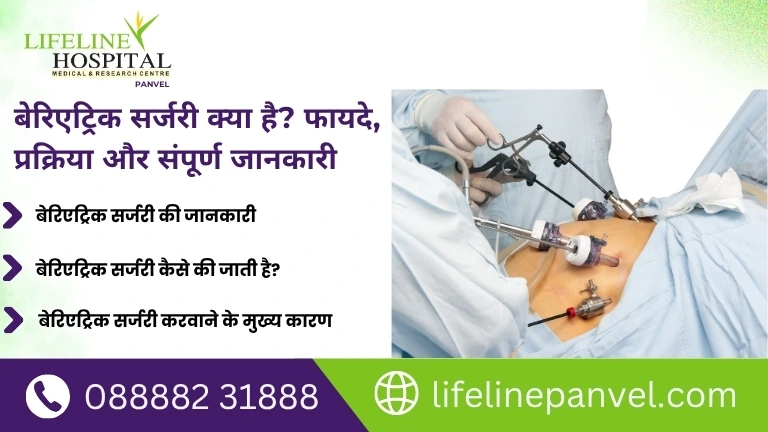
Blog बेरिएट्रिक सर्जरी क्या है? फायदे, प्रक्रिया और संपूर्ण जानकारी आज के समय में मोटापा केवल शरीर के बढ़ते वजन तक सीमित समस्या नहीं रह गया है। यह कई गंभीर बीमारियों का कारण बनता जा रहा है। डायबिटीज, हाई ब्लड प्रेशर, हार्ट डिजीज, स्लीप एपनिया और जोड़ों के दर्द जैसी समस्याएं अक्सर मोटापे से जुड़ी होती हैं। कई लोग डाइट, एक्सरसाइज और दवाइयों की मदद से वजन कम करने की कोशिश करते हैं, लेकिन कुछ मामलों में यह उपाय पर्याप्त साबित नहीं होते। ऐसी स्थिति में बेरिएट्रिक सर्जरी एक प्रभावी विकल्प मानी जाती है। यह सर्जरी केवल वजन कम करने के लिए नहीं, बल्कि मोटापे से जुड़ी स्वास्थ्य समस्याओं को नियंत्रित करने के लिए भी की जाती है। बेरिएट्रिक सर्जरी की जानकारी बेरिएट्रिक सर्जरी एक ऐसी मेडिकल प्रक्रिया है, जिसका उद्देश्य अत्यधिक मोटापे से पीड़ित लोगों का वजन नियंत्रित करना होता है। इस सर्जरी में पेट और पाचन तंत्र में बदलाव किए जाते हैं, जिससे व्यक्ति कम भोजन खाता है और शरीर में कैलोरी का अवशोषण भी कम होता है। यह सर्जरी उन लोगों के लिए सलाह दी जाती है जिनका वजन सामान्य सीमा से काफी अधिक होता है और जिनकी स्वास्थ्य समस्याएं मोटापे के कारण बढ़ रही होती हैं। कई बार लंबे समय तक वजन कम करने की कोशिशों के बावजूद परिणाम नहीं मिलने पर डॉक्टर इस सर्जरी का सुझाव देते हैं। बेरिएट्रिक सर्जरी केवल शरीर का आकार कम करने की प्रक्रिया नहीं है। यह व्यक्ति की पूरी जीवनशैली में बदलाव लाने का एक हिस्सा होती है। सर्जरी के बाद सही खानपान, नियमित व्यायाम और डॉक्टर की सलाह का पालन करना बहुत जरूरी होता है। बेरिएट्रिक सर्जरी कैसे की जाती है? बेरिएट्रिक सर्जरी आमतौर पर लेप्रोस्कोपिक तकनीक से की जाती है। इसमें पेट पर बड़े कट लगाने की बजाय छोटे-छोटे चीरे लगाए जाते हैं। इन चीरे के माध्यम से कैमरा और विशेष उपकरण शरीर के अंदर डाले जाते हैं। इससे सर्जरी सुरक्षित तरीके से की जा सकती है और रिकवरी में भी कम समय लगता है। सर्जरी के दौरान डॉक्टर पेट के आकार को छोटा कर सकते हैं या पाचन तंत्र के कुछ हिस्सों में बदलाव कर सकते हैं। इससे व्यक्ति को जल्दी पेट भरा हुआ महसूस होता है और भोजन की मात्रा कम हो जाती है। कुछ प्रक्रियाओं में शरीर कैलोरी और पोषक तत्वों को कम मात्रा में अवशोषित करता है, जिससे वजन तेजी से कम होने लगता है। सर्जरी से पहले मरीज की कई जांचें की जाती हैं। इसमें ब्लड टेस्ट, हार्ट चेकअप, डायबिटीज की जांच और अन्य मेडिकल परीक्षण शामिल हो सकते हैं। डॉक्टर मरीज की उम्र, वजन, मेडिकल हिस्ट्री और स्वास्थ्य स्थिति को देखकर सही प्रक्रिया तय करते हैं। बेरिएट्रिक सर्जरी करवाने के मुख्य कारण जब मोटापा व्यक्ति के स्वास्थ्य पर गंभीर असर डालने लगता है, तब बेरिएट्रिक सर्जरी की जरूरत पड़ सकती है। कई लोग लंबे समय तक डाइट और एक्सरसाइज के बावजूद वजन नियंत्रित नहीं कर पाते। ऐसे मामलों में यह सर्जरी मददगार साबित हो सकती है। यदि किसी व्यक्ति को मोटापे के साथ टाइप 2 डायबिटीज, हाई ब्लड प्रेशर, फैटी लिवर, स्लीप एपनिया या हार्ट संबंधी समस्याएं हैं, तो डॉक्टर बेरिएट्रिक सर्जरी की सलाह दे सकते हैं। कई बार अत्यधिक वजन के कारण व्यक्ति की दैनिक गतिविधियां भी प्रभावित होने लगती हैं। चलने-फिरने में परेशानी, जल्दी थकान और आत्मविश्वास में कमी जैसी समस्याएं भी देखने को मिलती हैं। कुछ मरीजों में मोटापे के कारण मानसिक तनाव और डिप्रेशन जैसी स्थिति भी उत्पन्न हो सकती है। ऐसे में वजन कम होना केवल शारीरिक नहीं, बल्कि मानसिक स्वास्थ्य के लिए भी फायदेमंद साबित हो सकता है। मोटापे और स्वास्थ्य समस्याओं के बीच संबंध मोटापा शरीर में कई गंभीर बीमारियों का जोखिम बढ़ा देता है। शरीर में अतिरिक्त फैट जमा होने से हार्ट पर दबाव बढ़ता है, जिससे हाई ब्लड प्रेशर और हार्ट डिजीज का खतरा बढ़ सकता है। इसके अलावा मोटापा इंसुलिन के कार्य को प्रभावित करता है, जिससे टाइप 2 डायबिटीज होने की संभावना बढ़ जाती है। अत्यधिक वजन का असर जोड़ों और हड्डियों पर भी पड़ता है। घुटनों और कमर में दर्द की समस्या मोटापे से ग्रस्त लोगों में आम होती है। कई लोगों को सांस लेने में तकलीफ और नींद के दौरान सांस रुकने जैसी समस्या भी हो सकती है। मोटापा केवल शारीरिक समस्याएं ही नहीं बढ़ाता, बल्कि व्यक्ति के आत्मविश्वास और मानसिक स्थिति पर भी असर डाल सकता है। इसलिए समय रहते वजन नियंत्रण और सही उपचार बेहद जरूरी हो जाता है। क्या आप जानना चाहते हैं कि बेरिएट्रिक सर्जरी आपके लिए सही विकल्प है या नहीं? Make Appointment वजन नियंत्रण में सर्जरी की भूमिका बेरिएट्रिक सर्जरी वजन नियंत्रण में महत्वपूर्ण भूमिका निभाती है। यह उन लोगों के लिए एक प्रभावी विकल्प हो सकती है, जिनका वजन लंबे समय से नियंत्रित नहीं हो पा रहा है। सर्जरी के बाद व्यक्ति कम मात्रा में भोजन करता है और जल्दी पेट भरने का अनुभव होता है। इससे कैलोरी का सेवन कम होता है और वजन धीरे-धीरे घटने लगता है। इसके साथ ही शरीर की मेटाबॉलिक प्रक्रिया में भी बदलाव आते हैं, जिससे डायबिटीज जैसी समस्याओं में सुधार देखने को मिल सकता है। हालांकि केवल सर्जरी करवाना ही पर्याप्त नहीं होता। अच्छे परिणामों के लिए मरीज को अपनी जीवनशैली में भी बदलाव करना जरूरी होता है। हेल्दी डाइट, नियमित व्यायाम और फॉलोअप चेकअप वजन को लंबे समय तक नियंत्रित रखने में मदद करते हैं। बेरिएट्रिक सर्जरी के प्रकार बेरिएट्रिक सर्जरी कई प्रकार की होती है। मरीज की स्वास्थ्य स्थिति और वजन के आधार पर डॉक्टर सही विकल्प चुनते हैं। अलग-अलग सर्जरी विकल्पों की जानकारी हर मरीज के लिए एक ही प्रकार की सर्जरी सही नहीं होती। कुछ लोगों के लिए स्लीव गैस्ट्रेक्टॉमी बेहतर हो सकती है, जबकि कुछ मामलों में गैस्ट्रिक बायपास अधिक प्रभावी साबित होती है। डॉक्टर मरीज के बॉडी मास इंडेक्स, स्वास्थ्य समस्याओं, उम्र और जीवनशैली को ध्यान में रखते हुए सर्जरी का विकल्प चुनते हैं। किसी भी प्रक्रिया को चुनने से पहले उसके फायदे, जोखिम और रिकवरी के बारे में जानकारी लेना जरूरी होता है। गैस्ट्रिक बायपास सर्जरी इस प्रक्रिया में पेट के आकार को छोटा किया
अस्थमा क्या होता है? कारण, लक्षण और उपचार की पूरी जानकारी

Blog अस्थमा क्या होता है? कारण, लक्षण और उपचार की पूरी जानकारी अस्थमा एक सामान्य लेकिन गंभीर श्वसन संबंधी बीमारी है, जिसमें सांस लेने में कठिनाई होने लगती है। यह समस्या तब होती है जब फेफड़ों तक हवा पहुंचाने वाली नलियों में सूजन आ जाती है। धूल, धुआं, एलर्जी और बदलता मौसम अस्थमा के लक्षणों को बढ़ा सकते हैं। सही समय पर पहचान और उपचार की मदद से अस्थमा को नियंत्रित करके स्वस्थ जीवन जिया जा सकता है। अस्थमा के बारे में जानकारी अस्थमा एक ऐसी बीमारी है जो हमारी सांस लेने की प्रक्रिया को प्रभावित करती है। इस समस्या में फेफड़ों तक हवा पहुंचाने वाली सांस की नलियों में सूजन आ जाती है, जिसके कारण सांस लेने में दिक्कत होने लगती है। कई लोगों को अस्थमा केवल मौसम बदलने पर महसूस होता है, जबकि कुछ लोगों में यह समस्या लंबे समय तक बनी रहती है। आज के समय में अस्थमा बच्चों से लेकर बुजुर्गों तक किसी को भी हो सकता है। पहले यह बीमारी बहुत कम लोगों में दिखाई देती थी, लेकिन बढ़ता प्रदूषण, धूल, धुआं और बदलती जीवनशैली के कारण अस्थमा के मरीज तेजी से बढ़ रहे हैं। सही समय पर पहचान और इलाज होने पर अस्थमा को काफी हद तक नियंत्रित किया जा सकता है और मरीज सामान्य जीवन जी सकता है। बहुत से लोग अस्थमा को केवल सामान्य सांस की तकलीफ समझकर नजरअंदाज कर देते हैं। लेकिन बार-बार खांसी आना, सांस फूलना या सीने में जकड़न महसूस होना अस्थमा का संकेत हो सकता है। इसलिए इसके लक्षणों को समझना और समय पर डॉक्टर की सलाह लेना जरूरी होता है। अस्थमा कैसे होता है? जब किसी व्यक्ति की सांस की नलियां संवेदनशील हो जाती हैं और किसी एलर्जी, धूल, धुएं या संक्रमण के संपर्क में आने पर उनमें सूजन आ जाती है, तब अस्थमा की समस्या शुरू होती है। सूजन के कारण सांस की नलियां संकरी हो जाती हैं और फेफड़ों तक हवा सही मात्रा में नहीं पहुंच पाती। अस्थमा में सांस की नलियों के आसपास की मांसपेशियां सिकुड़ने लगती हैं। इसके अलावा नलियों के अंदर बलगम भी बनने लगता है, जिससे सांस लेने में और अधिक परेशानी होती है। इसी कारण मरीज को सांस फूलना, सीटी जैसी आवाज आना और बेचैनी महसूस होने लगती है। कुछ लोगों में अस्थमा अचानक अटैक के रूप में सामने आता है। इस स्थिति में व्यक्ति को तेजी से सांस लेने में कठिनाई होती है और तुरंत इलाज की जरूरत पड़ सकती है। इसलिए अस्थमा को सामान्य समस्या समझकर अनदेखा नहीं करना चाहिए। अस्थमा होने के मुख्य कारण अस्थमा होने के पीछे कई कारण हो सकते हैं। हर व्यक्ति में इसके कारण अलग-अलग हो सकते हैं। कुछ लोगों में यह आनुवंशिक कारणों से होता है, जबकि कुछ लोगों में वातावरण और जीवनशैली इसकी वजह बनते हैं। यदि परिवार में किसी को अस्थमा, एलर्जी या सांस से जुड़ी बीमारी रही हो, तो अन्य सदस्यों में भी अस्थमा होने का खतरा बढ़ जाता है। इसके अलावा धूल मिट्टी, वाहन का धुआं, फैक्ट्री का प्रदूषण और सिगरेट का धुआं भी अस्थमा के बड़े कारण माने जाते हैं। बार-बार वायरल संक्रमण होना, कमजोर इम्यूनिटी, ज्यादा ठंडी चीजें खाना या लंबे समय तक प्रदूषित वातावरण में रहना भी इस समस्या को बढ़ा सकता है। कुछ लोगों में पालतू जानवरों के बाल, परागकण या तेज खुशबू से भी अस्थमा ट्रिगर हो सकता है। एलर्जी और वातावरण से जुड़े कारण एलर्जी अस्थमा का सबसे सामान्य कारण मानी जाती है। कई लोगों को धूल, मिट्टी, धुआं, परफ्यूम या मौसम बदलने से एलर्जी होती है, जिससे अस्थमा के लक्षण शुरू हो जाते हैं। घर में जमा धूल, पुराने गद्दे, कारपेट और नमी वाली जगहों पर मौजूद फंगस भी अस्थमा को बढ़ा सकते हैं। इसके अलावा वायु प्रदूषण और वाहन से निकलने वाला धुआं सांस की नलियों को प्रभावित करता है। ठंड के मौसम में अस्थमा की समस्या अधिक बढ़ जाती है क्योंकि ठंडी हवा सांस की नलियों को संकुचित कर देती है। कई मरीजों को बारिश के मौसम में भी सांस लेने में परेशानी महसूस होती है। कुछ लोगों में खाने की चीजों से भी एलर्जी हो सकती है। जैसे कि समुद्री भोजन, मूंगफली या कुछ दवाइयां अस्थमा अटैक का कारण बन सकती हैं। इसलिए यह जानना जरूरी होता है कि किन चीजों से एलर्जी बढ़ती है। सांस लेने में परेशानी, लगातार खांसी या सीने में जकड़न को नजरअंदाज न करें। Make Appointment सांस की नलियों में सूजन की भूमिका अस्थमा में सांस की नलियों में सूजन आना सबसे महत्वपूर्ण कारण होता है। यह सूजन धीरे-धीरे नलियों को संवेदनशील बना देती है। जब व्यक्ति किसी ट्रिगर के संपर्क में आता है, तो नलियां तुरंत प्रतिक्रिया देने लगती हैं। सूजन के कारण सांस की नलियों के अंदर की जगह कम हो जाती है। इसके साथ ही अतिरिक्त बलगम बनने लगता है, जिससे हवा का प्रवाह प्रभावित होता है। यही वजह है कि मरीज को सांस लेने में कठिनाई होती है। यदि लंबे समय तक सूजन बनी रहे और इलाज न किया जाए, तो यह समस्या गंभीर रूप ले सकती है। इसलिए अस्थमा को नियंत्रित करने के लिए सूजन को कम करना जरूरी होता है। डॉक्टर अक्सर इन्हेलर और दवाइयों की मदद से सूजन को नियंत्रित करने की सलाह देते हैं। अस्थमा के शुरुआती लक्षण अस्थमा के शुरुआती लक्षण कई बार सामान्य सर्दी या खांसी जैसे लगते हैं, इसलिए लोग इन्हें पहचान नहीं पाते। लेकिन यदि कुछ लक्षण बार-बार दिखाई दें, तो उन्हें नजरअंदाज नहीं करना चाहिए। रात के समय ज्यादा खांसी आना, थोड़ी मेहनत करने पर सांस फूलना और सीने में भारीपन महसूस होना शुरुआती संकेत हो सकते हैं। कुछ लोगों को सुबह उठते समय सांस लेने में दिक्कत होती है। सीढ़ियां चढ़ते समय जल्दी थकान होना या खेलते समय सांस फूलना भी अस्थमा का लक्षण हो सकता है। बच्चों में बार-बार खांसी और खेलते समय सांस की आवाज आना इस बीमारी की ओर संकेत कर सकता है। शुरुआती अवस्था में इलाज होने पर अस्थमा को आसानी से नियंत्रित किया जा सकता है। इसलिए लक्षणों को समझना बहुत जरूरी है। सांस लेने में परेशानी और सीने में जकड़न अस्थमा का